Choosing the Right Exhaust Louvers and Vents

All Categories

exhaust louvers and vents

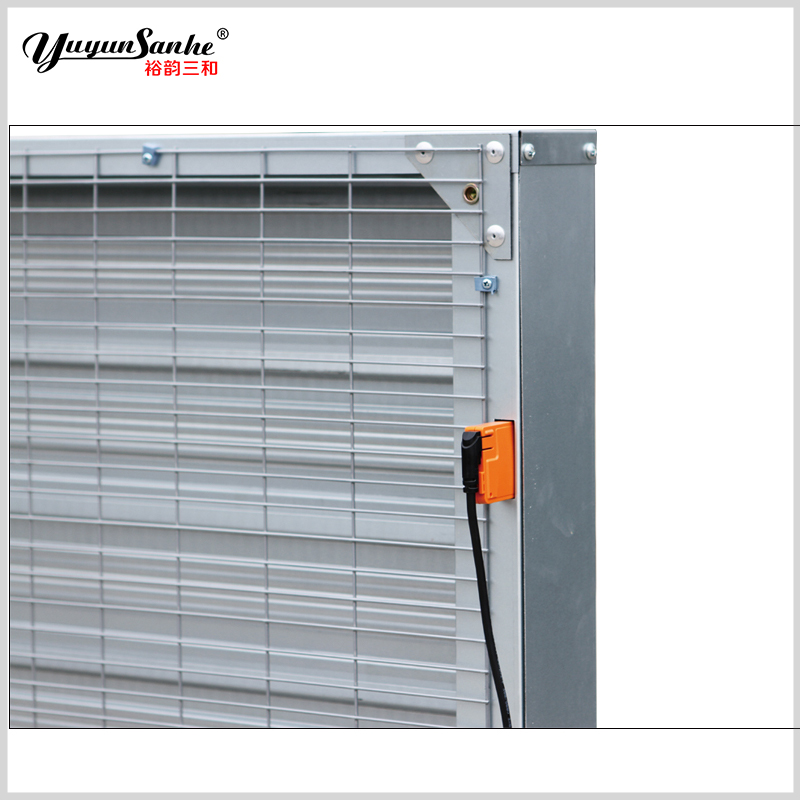
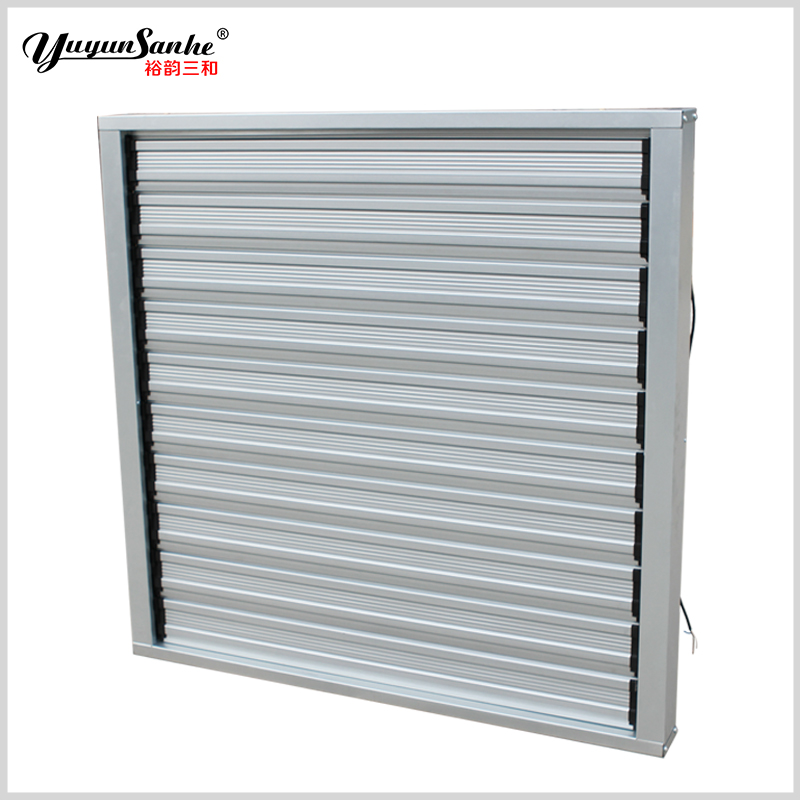
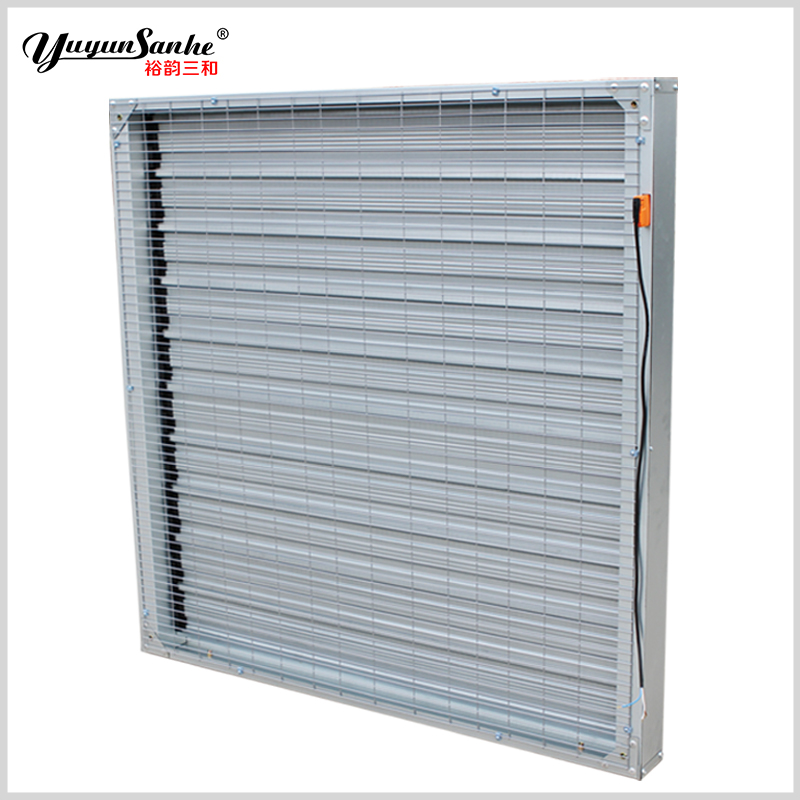
Exhaust louvers and vents are critical components in various industrial and commercial applications, designed to facilitate the effective ventilation of air while preventing the ingress of rain, debris, and pests. As a B2B buyer, understanding the nuances of these products is essential to ensure optimal performance and compliance with relevant standards. This article will guide you through selecting the right exhaust louvers and vents for your projects, highlighting key specifications, installation guidance, common issues, and application scenarios, enabling you to make informed purchasing decisions.
Key Specifications to Consider for Exhaust Vents and Louvers

Key Specifications to Consider for Exhaust Vents and Louvers

When evaluating exhaust louvers and vents, several key specifications should be prioritized:

Material: The choice of material significantly impacts durability and maintenance. Common options include aluminum for lightweight applications, stainless steel for corrosive environments, and galvanized steel for general use.

Size and Dimensions: Proper sizing is crucial for optimal airflow and performance. Ensure that the dimensions align with your ventilation needs, factoring in the installation location and any space constraints.

Airflow Performance: Look for specifications related to airflow capacity, expressed in cubic feet per minute (CFM). This will help you determine whether the louvers can meet your project’s ventilation demands.

Pressure Drop: This specification indicates the resistance to airflow through the louver. A lower pressure drop is preferred for efficiency, as it reduces energy consumption in HVAC systems.

Sealing and Weather Resistance: For outdoor applications, ensure that the louvers have appropriate seals and weather-resistant features to prevent water and debris ingress.

Fire Safety Ratings: Depending on the application, fire safety standards (such as UL ratings) may also be a consideration, particularly in industrial settings.

Confirm these specifications with your manufacturer to ensure they align with your project requirements before placing an order.
Installation Guidance for Efficient Exhaust Louvers and Vents

Installation Guidance for Efficient Exhaust Louvers and Vents

Proper installation of exhaust louvers and vents is critical for ensuring effective performance and longevity. Here are some best practices to follow:

Follow Manufacturer Guidelines: Always refer to the installation manual provided by the manufacturer, as each product may have specific requirements regarding positioning, fastening, and sealing.

Ensure Proper Alignment: Louvers should be installed to maintain a level and plumb orientation. Misalignment can lead to operational inefficiencies and potential damage.

Consider Drainage: For outdoor installations, ensure that the louvers are positioned to allow water drainage. This helps prevent pooling, which can lead to corrosion or other damage over time.

Use Quality Fasteners: Select rust-resistant fasteners appropriate for the material of the louvers and the installation environment. This will enhance durability and reduce maintenance needs.

Conduct a Test Run: After installation, perform a test run to check for proper airflow and functionality. This will help identify any potential issues that need to be addressed promptly.

By following these guidelines, you can ensure that your exhaust louvers and vents function effectively, enhancing the overall performance of your ventilation system.

Common Problems with Exhaust Louvers and Effective Solutions

Common Problems with Exhaust Louvers and Effective Solutions

Despite their robustness, exhaust louvers can encounter several common issues. Here are a few problems and their respective solutions:

Blockage and Reduced Airflow: Over time, debris, dust, or even ice accumulation can obstruct louvers, severely impacting airflow. Regular cleaning and maintenance are essential to mitigate this issue. Additionally, installing protective screens can help minimize debris ingress.

Corrosion and Material Degradation: Depending on the material and environmental conditions, corrosion can be a significant concern. Using higher-grade materials like stainless steel or applying protective coatings can extend the lifespan of the louvers. You may also want to consider using a High Efficiency Direct Drive Butterfly Cone Exhaust Fan with EC Motor / AC Motor system to further protect your installation.

Improper Sealing: Inadequate sealing can lead to leaks, impacting energy efficiency and indoor air quality. Inspect seals regularly and replace them as needed to maintain performance.

Noise Issues: Louvers can sometimes create noise due to airflow turbulence. To reduce this, consider models designed for quiet operation or those with built-in noise-reduction features.

By being proactive in addressing these common issues, you can maintain optimal performance from your exhaust louvers and vents.

Application Scenarios for Exhaust Vents in Industrial Settings

Exhaust vents and louvers find utility in various industrial applications, enhancing air quality and equipment efficiency. Some common scenarios include:

Manufacturing Plants: In environments where machinery generates heat and pollutants, exhaust louvers facilitate effective ventilation, promoting a safer and more comfortable workplace.

Food Processing Facilities: These facilities require precise climate control to maintain product quality and safety. Exhaust vents help manage humidity and temperature, ensuring compliance with health regulations.

HVAC Systems: In commercial buildings, exhaust louvers work in tandem with HVAC systems to regulate indoor air quality. They allow stale air to exit while ensuring fresh air intake, supporting energy efficiency.

Agricultural Applications: In livestock breeding or greenhouse environments, proper ventilation is crucial for animal health and crop growth. Exhaust vents help manage temperature and humidity, creating optimal conditions for production.

Understanding the specific application needs can guide you in selecting the most appropriate exhaust louvers and vents, ensuring they meet industry standards and enhance operational efficiency.

By carefully considering your requirements and applying the guidance provided, you can make informed decisions about exhaust louvers and vents, optimizing your ventilation solutions for various industrial applications.

Frequently Asked Questions

What are exhaust louvers and vents used for?

They control airflow, prevent backdrafts, and protect openings in ventilation, cooling, heating, and breeding systems for livestock or industrial buildings.
We manufacture louvers from durable metals and corrosion-resistant alloys selected for ventilation and breeding environments, ensuring long service life and easy maintenance.
Yes. Our products are produced under strict QC in a 30,000 sqm factory and certified to ISO9001, CE, and RoHS standards.
Yes. We offer custom sizes, finishes, and mounting options to fit specific airflow, environmental, and installation requirements.
Typical lead time depends on order size and customization; we export to over 70 countries and will provide delivery estimates upon inquiry.

Our Blog Posts

The Impact of Feed Bin Design on Feed Flow Consistency

19

Jun

The Impact of Feed Bin Design on Feed Flow Consistency

Design of feed bins is very critical to ensure the receipt of feed by the animals. How a feed bin is constructed and set up can drastically influence how ‘flowy’ the food goes out. Let's look at how feed bin design impacts the flow of feed and a few ...
View More
What Safety Standards Should Poultry Farm Equipment Meet?

09

Oct

What Safety Standards Should Poultry Farm Equipment Meet?

With poultry farming being a sensitive practice, the equipment you use is of utmost importance, both for the safety and health of the personnel and the birds. It’s crucial for this equipment to meet very rigorous safety standards for both lives at st...
View More
Why Portable Industrial Heaters Improve Operational Flexibility

21

Dec

Why Portable Industrial Heaters Improve Operational Flexibility

When businesses work in an industrial capacity, they may struggle to keep the temperature correct. This is where portable industrial heaters take over. These heaters, of the kind also sold by YuyunSanhe, matter because they can be wheeled around and ...
View More
Why Industrial Ventilation Fans Are Critical in Heat-Intensive Environments?

15

Feb

Why Industrial Ventilation Fans Are Critical in Heat-Intensive Environments?

Industrial ventilation fans are really important in places where heat get very bad. Like in factories, workshops and spots with lots machines working all time, it can become super hot. This heat make working uncomfortable or even dangerous for people...
View More

Get In Touch

Sophie Dong
Lorna Gao