
 EN
 AR
 BG
 DA
 NL
 FR
 DE
 EL
 HI
 IT
 JA
 KO
 PL
 PT
 RO
 RU
 ES
 SV
 TL
 ID
 LV
 LT
 SR
 UK
 VI
 HU
 TH
 TR
 FA
 MS
 GA
 AZ
 BN
 LA
 MN
 MY
 KK
 UZ
 KY
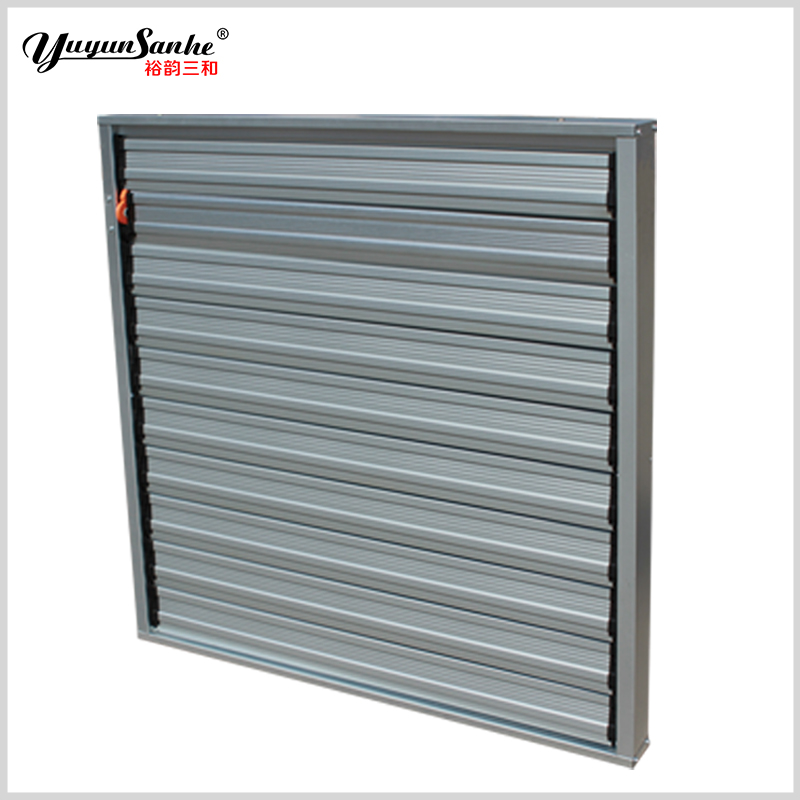
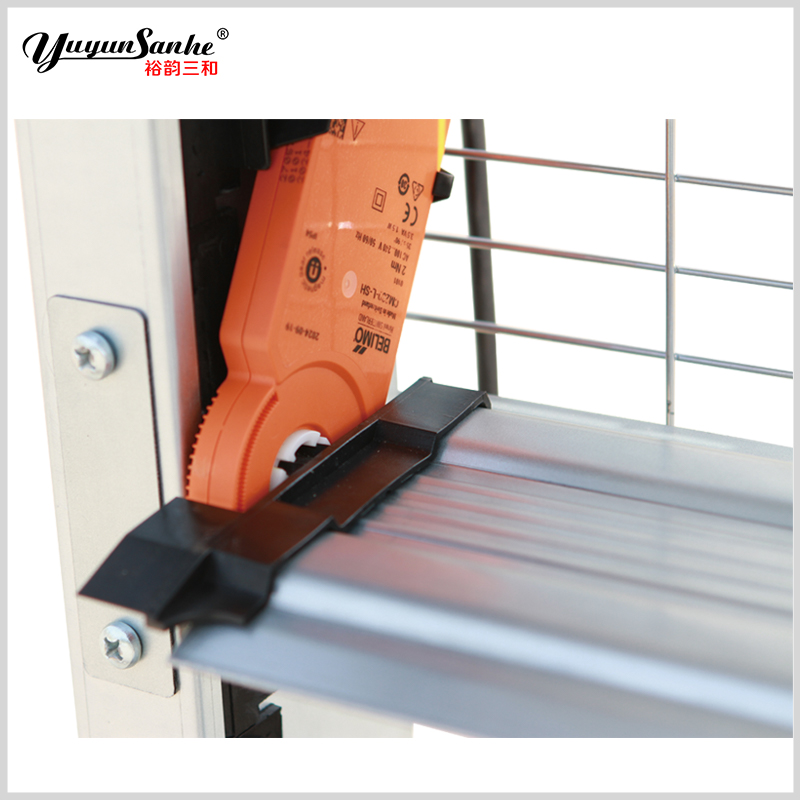
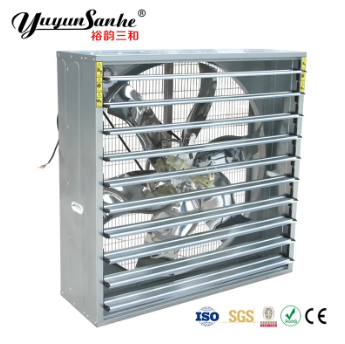
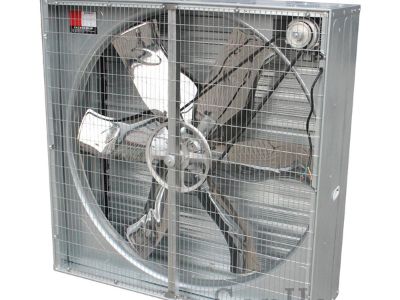
Automatic shutters, also known as automatic louvers, are essential components in various industrial and commercial applications, providing effective ventilation and climate control. For buyers, understanding the specifications, quality indicators, and sourcing considerations of automatic shutters is crucial in ensuring they meet operational requirements and provide long-term reliability. This article will delve into key specifications, quality evaluation methods, cost factors, sourcing avenues, and the advantages of different materials used in automatic shutters.
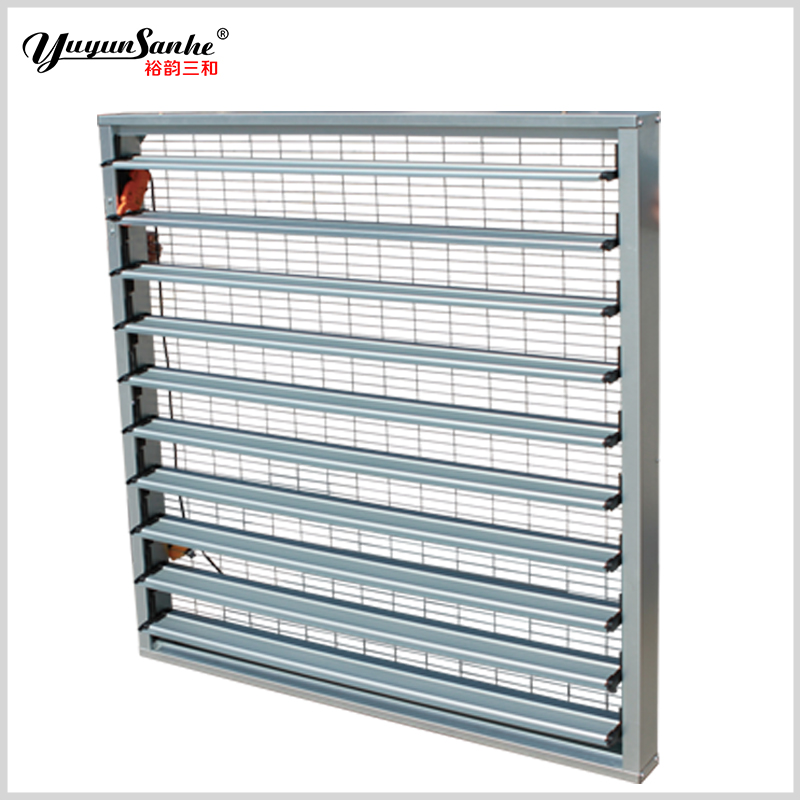
How to Evaluate the Quality of Automatic Shutters for Distribution
Quality evaluation is paramount when sourcing automatic shutters for distribution. Here are practical steps to assess their quality:
Certification and Compliance: Verify that the shutters meet industry standards and certifications such as ISO9001 and CE. These certifications indicate adherence to quality management practices and safety regulations.
Material Integrity: Conduct inspections of material samples for strength and durability. Request material test reports that detail resistance to corrosion, impact, and temperature variations.
Manufacturing Process: Gain insight into the manufacturing process, especially if customization is required. Understanding the production equipment and quality control processes can help identify potential issues before mass production begins.
Sample Approval: Always request samples for testing under actual operating conditions. This allows for assessment of the shutter's fit, functionality, and overall performance before placing a bulk order.
Supplier Reputation: Research the supplier’s history and customer reviews. A reliable supplier will have a proven track record of delivering high-quality products consistently.
 Sophie Dong

