Choosing the Right Industrial Evaporative Air Cooler

All Categories

industrial evaporative air cooler

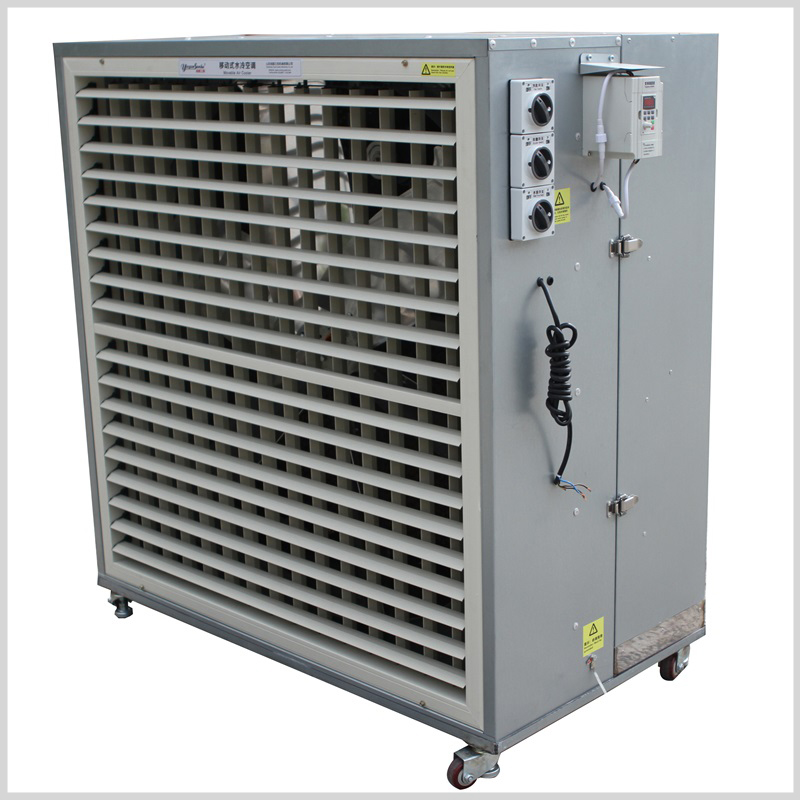
Industrial evaporative air coolers are essential systems designed to lower temperatures in large commercial and industrial environments. These cooling units are particularly effective in spaces where ventilation and moisture control are critical, such as warehouses, factories, and outdoor events. When considering a purchase, B2B buyers often prioritize efficiency, maintenance, and operational costs. This article will guide you through the key factors to consider when selecting an industrial evaporative air cooler, ensuring you make an informed decision that meets your specific needs.
A Buyeru2019s Guide

A Buyeru2019s Guide

When preparing to purchase an industrial evaporative air cooler, it's essential to gather all necessary information to facilitate a smooth procurement process. Here are key elements you should prepare:

Specifications Needed: Be ready to specify dimensions, cooling capacity, and energy efficiency. This information will enable suppliers to suggest appropriate models.

Application Information: Describe the environment where the cooler will be installed. Factors such as the size of the area, expected humidity levels, and ventilation conditions will influence the choice of cooler.

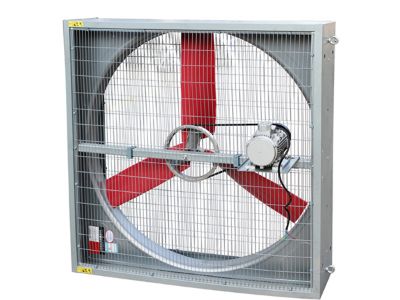
Budget Constraints: Establish a budget that includes not only purchase costs but also installation and operational expenses over time. Consider budget-friendly options like the Nice Price 50” Poultry Farm/Greenhouse/Industry Exhaust Fan for Ventilation.

Quantity Required: Determine how many units you need, which can affect pricing and availability. Some suppliers may offer discounts for bulk purchases.

Customization Preferences: If you have specific needs regarding features or design, communicate these to potential suppliers early in the process.

Delivery and Installation: Plan for logistics by confirming delivery timelines and installation requirements. This can help avoid delays during the cooling season.

By having this information ready, you can streamline the RFQ process and ensure you receive accurate and competitive quotes.
Key Specifications of Industrial Evaporative Air Coolers for Contractors

Key Specifications of Industrial Evaporative Air Coolers for Contractors

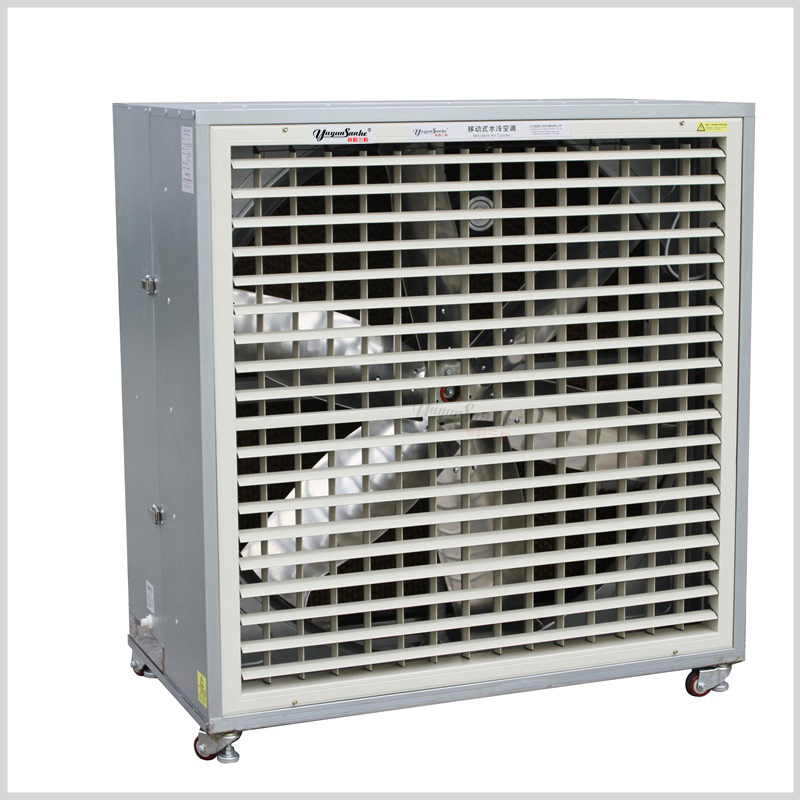
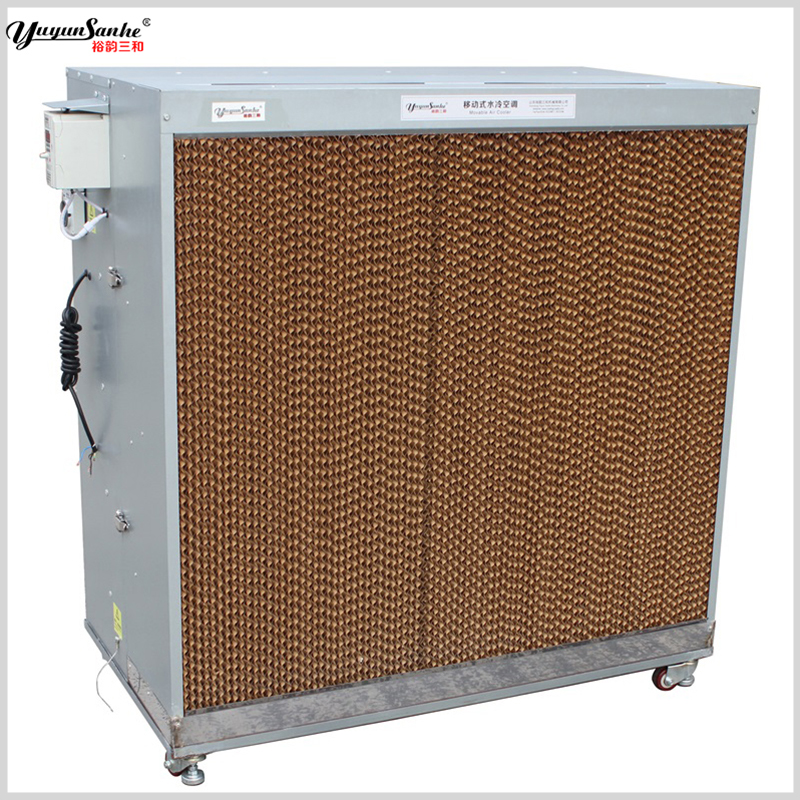
For contractors involved in the installation of industrial evaporative air coolers, understanding key specifications is crucial. Here are the primary specifications to consider:

Airflow Rate (CFM): This indicates the volume of air the cooler can move. Higher CFM ratings are necessary for larger spaces to ensure adequate cooling.

Water Consumption: Evaluate how much water the cooler uses during operation. This is particularly important if you are in an area with limited water supply or high costs.

Cooling Efficiency Ratio (CER): This measurement helps assess the cooler's effectiveness. A higher CER indicates more efficient cooling relative to power consumption.

Fan Type: Different models may feature axial or centrifugal fans, each offering distinct airflow patterns and efficiency levels.

Material Specifications: Check the construction materials, especially for the water reservoir and cooling pads. High-quality materials ensure longevity and consistent performance.

Weight and Size: Understanding the cooler's weight is essential for transport and installation considerations, especially in difficult-to-access spaces.

These specifications will help contractors select the appropriate cooler for their projects and ensure optimal installation practices.

Understanding Installation Requirements for Industrial Evaporative Air Coolers

Understanding Installation Requirements for Industrial Evaporative Air Coolers

Proper installation of industrial evaporative air coolers is vital for optimal performance. Here are the key installation considerations:

Location: Position the cooler in a well-ventilated area to maximize airflow. Avoid placing it in enclosed spaces where air circulation may be restricted.

Mounting and Support: Ensure the cooler is securely mounted according to the manufacturer's guidelines. The installation must account for vibrations and weight distribution to prevent damage.

Ducting Requirements: If ducting is involved, confirm that it is appropriately sized to match the cooler's airflow. Ducting should also be insulated to prevent condensation.

Electrical Connections: Verify that electrical connections comply with local codes and the cooler's power specifications. A qualified electrician should handle these installations.

Water Supply: Ensure a reliable water supply is available for the cooler, and plan for drainage to prevent water accumulation.

Accessibility for Maintenance: Install the unit in a way that allows easy access for routine maintenance and repairs.

By addressing these installation requirements, you can enhance your cooler's efficiency and longevity.

Common Problems with Industrial Evaporative Air Coolers and Their Solutions

Despite their efficiency, industrial evaporative air coolers can experience issues. Here are common problems and practical solutions:

Insufficient Cooling: If the cooler isn't lowering temperatures effectively, check the water level and cooling pads. Clogged pads can restrict airflow, so ensure they are clean and replaced as needed.

Excessive Noise: Unusual sounds may indicate loose components or worn-out bearings in the fan. Regular inspections can help identify and resolve these issues before they escalate.

Water Leaks: Leaking water can be due to damaged seals or hoses. Inspect the water supply lines for any signs of wear and replace them if necessary.

Electrical Failures: If the cooler fails to start, check the power supply and any fuses. Ensure that all electrical connections are secure and free from corrosion.

Odors: Foul smells may arise from stagnant water in the reservoir. Regularly clean the water tank and ensure proper drainage to prevent this issue.

Condensation Issues: In high-humidity environments, condensation may become problematic. Ensure proper ventilation around the cooler to mitigate this.

By understanding these potential problems and their solutions, you can maintain the efficiency of your industrial evaporative air cooler, ensuring it operates effectively throughout its lifespan.

Frequently Asked Questions

What is an industrial evaporative air cooler?

An industrial evaporative air cooler uses water evaporation to lower air temperature for large spaces, providing energy-efficient cooling and ventilation suitable for factories, warehouses, and workshops.
We offer multiple sizes and airflow rates to suit different spaces; custom specifications are available from our 30,000 sqm factory to meet specific volume and layout needs.
Yes. Our evaporative air coolers are produced under ISO9001 quality management and carry CE and RoHS certifications, ensuring compliance with international standards.
Regular tasks include cleaning water tanks and pads, inspecting pumps and fans, checking water quality, and seasonal shutdown procedures; routine maintenance ensures peak performance and longevity.
Yes. We offer technical guidance, installation support, spare parts, and after-sales service backed by our professional R&D team and strict quality control processes.

Our Blog Posts

Top 4 Heavy Hammer Exhaust Fan Manufacturers In Australia

16

Jul

Top 4 Heavy Hammer Exhaust Fan Manufacturers In Australia

Choosing right exhaust fan can be tough, especialy when many companys make them. In Australia, YuyunSanhe stands out for heavy hammer exhaust fans. These fans is important in factorys and workshops. They help keep air clean and remove smoke, dust and...
View More
What Makes an Effective Greenhouse Ventilation System?

18

Nov

What Makes an Effective Greenhouse Ventilation System?

Qualities of an Efficient Greenhouse Ventilation SystemGreenhouses require good air flow to keep plants strong and healthy-looking. That means that the air inside — in and around the plants — must move around freely, so the plants can breathe in all ...
View More
How Cooling Pads Reduce Energy Costs in Large-Scale Ventilation Systems

08

Dec

How Cooling Pads Reduce Energy Costs in Large-Scale Ventilation Systems

Cooling pads are an intelligent means to assist large air fans and systems to function better, without consuming a lot of power. Big systems bring in fresh outdoor air and produce cool air for large buildings like factories. These systems may require...
View More
Why Proper Ventilation Fans Prevent Crop Disease in Greenhouses?

10

Feb

Why Proper Ventilation Fans Prevent Crop Disease in Greenhouses?

Good airflow is really important thing in greenhouses. Plants they need fresh air so they can grow good and healthy. When the air moves around nice, it keep plants away from many disease. But if air stay stuck and no movement, then problems start com...
View More

Get In Touch

Sophie Dong
Lorna Gao