Understanding Evaporative Cooling Systems for Business

All Categories

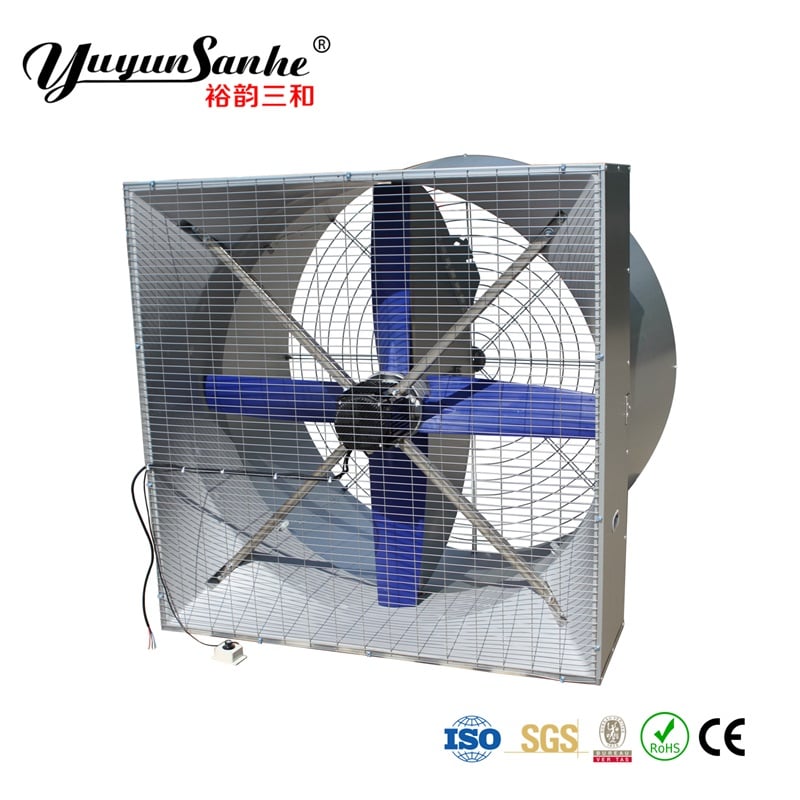
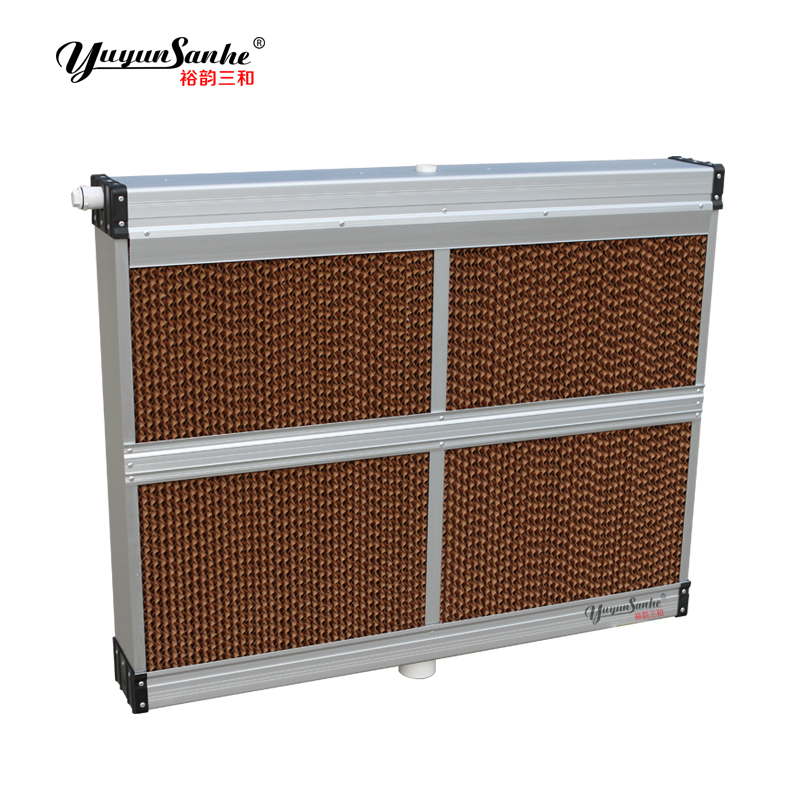
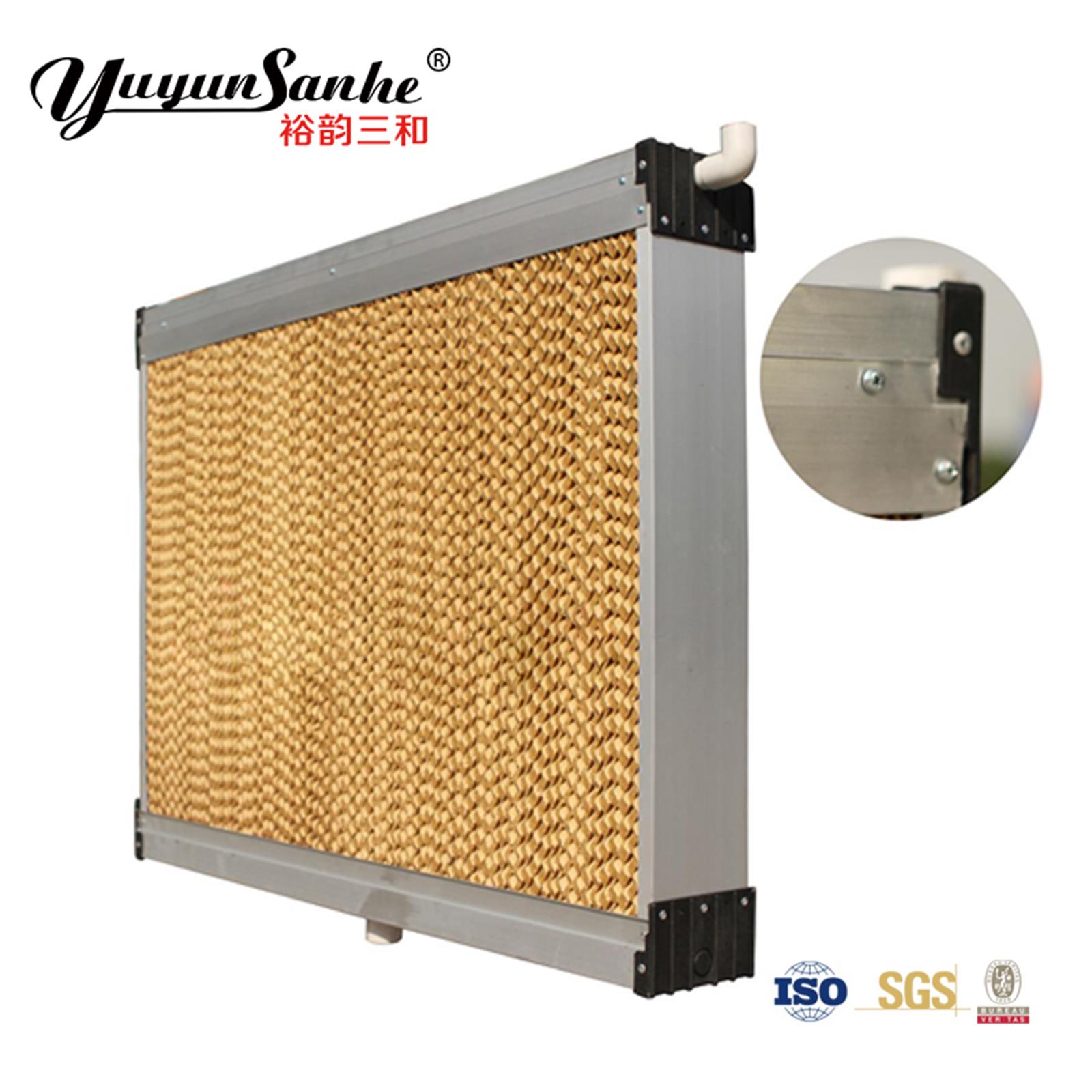
Evaporative cooling systems

Evaporative cooling systems are an efficient and environmentally friendly solution for managing heat in various industrial and commercial settings. As a purchasing manager or engineer, you may have concerns about the system's efficiency, installation requirements, and overall cost. This poultry feeding system article will provide you with essential insights into evaporative cooling systems, helping you make informed decisions when evaluating options for your business.

Assessing evaporative cooling systems

Assessing evaporative cooling systems

Assessing evaporative cooling systems involves examining several critical factors: 

Cooling Capacity: This is typically measured in cooling tons or BTUs. Ensure the system can accommodate the heat load of your specific application. 

Airflow Rate: Measured in cubic feet per minute (CFM), the airflow rate should be sufficient to circulate air throughout the intended space effectively. 

Water Consumption: Since these systems rely on water for cooling, understanding the water usage and associated costs is crucial. 

Materials and Build Quality: Look for systems constructed from durable materials that can withstand environmental conditions and provide long-lasting performance. 

Energy Efficiency: Review the energy efficiency ratio (EER) and other performance metrics to ensure the system will be cost-effective in the long run. 

Installation Requirements: Assess the complexity of installation, including any necessary modifications to existing infrastructure. 
When placing bulk orders for evaporative cooling systems

When placing bulk orders for evaporative cooling systems

When placing bulk orders for evaporative cooling systems, several cost factors come into play:

Unit Cost: The livestock feeding equipment price per unit often decreases with larger orders, but this can vary based on the model and features selected. 

Customization: If you require customized features or specifications, be prepared for potential increases in unit costs. 

Shipping and Handling: Depending on the size and weight of the systems, shipping costs can significantly affect the overall price. Ensure you consider logistics when budgeting. 

Installation and Maintenance Costs: Factor in the costs associated with installation, including labor and any necessary equipment. Additionally, consider the long-term maintenance expenses, which can vary based on system complexity. 

Warranty and Support: Evaluate the warranty terms offered by the manufacturer, as this can impact long-term costs related to repairs and support.  

Proper installation is critical for maximizing

Proper installation is critical for maximizing

Proper installation is critical for maximizing the efficiency of evaporative cooling systems. Here are key considerations: 

Location: Install the system in a shaded area to enhance performance and reduce water evaporation. Ensure it is positioned to optimize airflow throughout the space. 

Ductwork: If using ducted systems, broiler equipment ensure that the ductwork is well-sealed and insulated to prevent air leaks, which can diminish cooling effectiveness. 

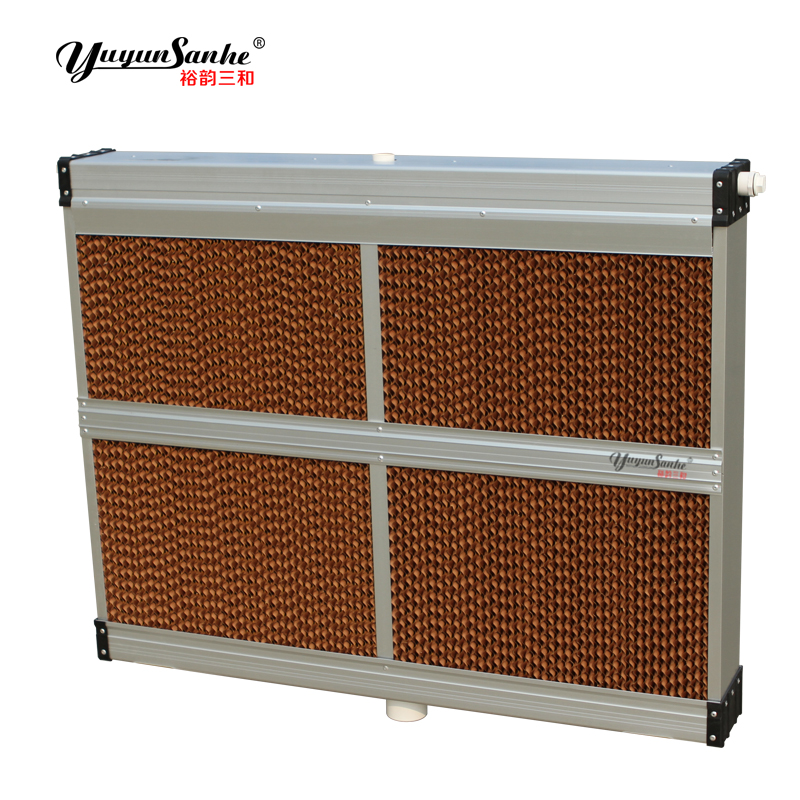
Water Supply: Ensure a reliable water source is available, and consider integrating water treatment systems to prevent mineral buildup and prolong the life of the evaporative pads. 

Electrical Connections: Follow all electrical codes and guidelines during installation to ensure safety and compliance. 

Testing and Commissioning: After installation, conduct thorough testing to verify the system's performance meets specified cooling capacities and airflow rates. 

When evaluating evaporative cooling systems

When evaluating evaporative cooling systems, several key features can enhance their effectiveness and suitability for your application: 

Variable Speed Fans: These allow for adjustable airflow, enabling better control over cooling levels and energy consumption. 

Water Management Systems: Features such as automatic water fill controls and overflow protection can help maintain optimal water levels and reduce maintenance needs. 

Durable Construction: Look for systems made from corrosion-resistant materials, especially if they will be used in harsh environments. 

Smart Controls: Modern evaporative cooling systems may come with smart technology for remote monitoring and control, providing flexibility and efficiency. 

Modular Design: Consider systems that offer modular components for easier upgrades and customization as your needs evolve. 

Frequently Asked Questions

What is an evaporative cooling system?

An evaporative cooling system lowers air temperature by passing warm air through water-saturated pads, causing evaporation. It delivers energy-efficient, natural cooling for buildings and livestock facilities.
We offer multiple models for residential, commercial, and breeding applications produced in our 30,000 sqm factory. Contact us with space and cooling requirements for model recommendations.
Yes. Our systems are designed for low energy consumption and are produced under ISO9001 quality control. Many components meet CE and RoHS standards.
Yes. They provide fresh, cooler air and improved ventilation for breeding houses, helping to reduce heat stress and maintain healthier environments.
We provide technical support, installation guidance, and spare parts. Warranty and service details vary by model; contact our sales team with your order information for specific terms.

Our Blog Posts

How to Choose the Right Exhaust Fan for Your Space

12

Oct

How to Choose the Right Exhaust Fan for Your Space

When it comes to clean and fresh air in your space, having the right exhaust fan is key. An exhaust fan is designed to remove bad smells moisture, and other pollutants that might be in the room, and thus makes the air healthier to breathe. That doesn...
View More
How to Select Exhaust Fans for Different Industrial Environments

19

Oct

How to Select Exhaust Fans for Different Industrial Environments

There are a number of factors you need to keep in mind when selecting the best fan for industrial environments to ensure optimal performance. One such implementation area for fume exhaust fans is in the preservation of air quality and temperature in ...
View More
How Automated Fans Improve Greenhouse Climate Control

02

Dec

How Automated Fans Improve Greenhouse Climate Control

Automated fans are pretty big in greenhouses because they help keep the air nice for plants. At YuyunSanhe, we understand that plants grow best in conditions that are not too hot, not too cold, and only as moist as they should be. Robotic fans can pe...
View More
The Latest Trends in Air Inlet Manufacturing Technology

15

Dec

The Latest Trends in Air Inlet Manufacturing Technology

The production technology of air inlet is getting better and better, and new trends are constantly emerging in the industry to improve efficiency. As a industrials manufacturing leader, YuyunSanhe is the pioneering company in providing air inlet prod...
View More

Get In Touch

Sophie Dong
Lorna Gao