Sourcing Automatic Louver Vents for Your Business

All Categories

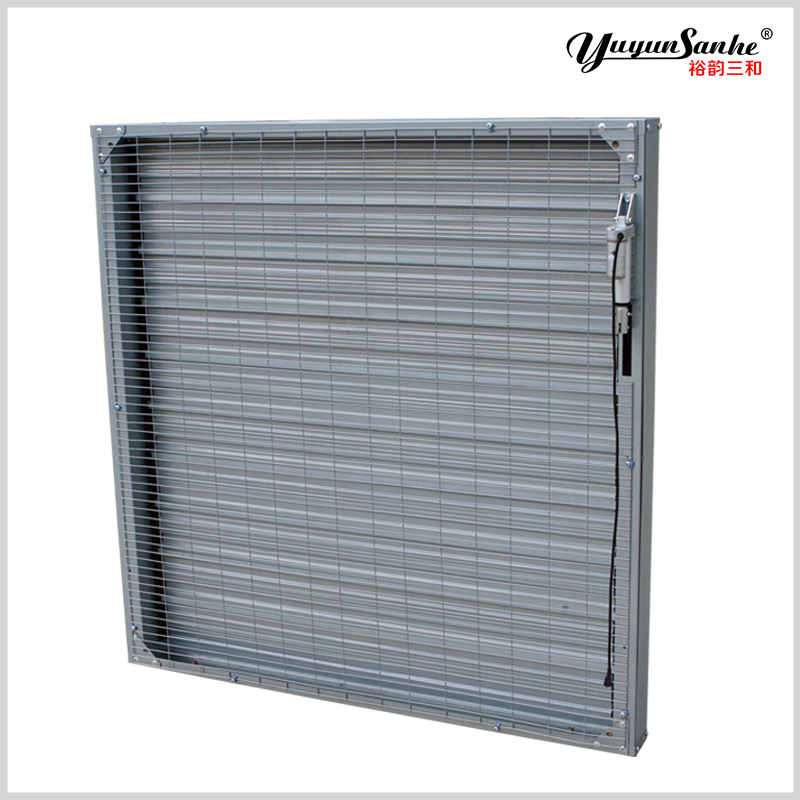
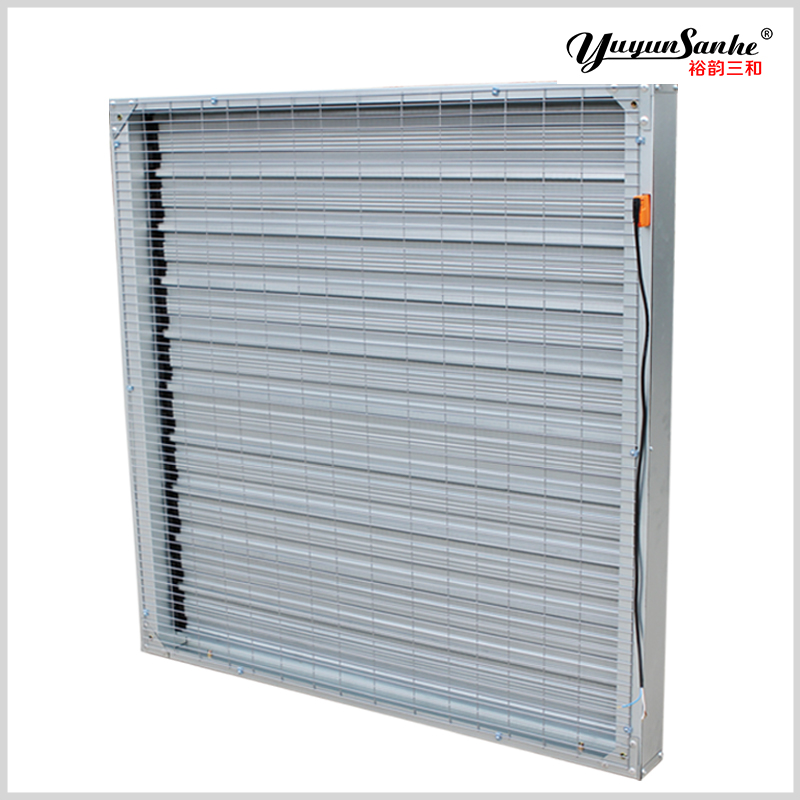
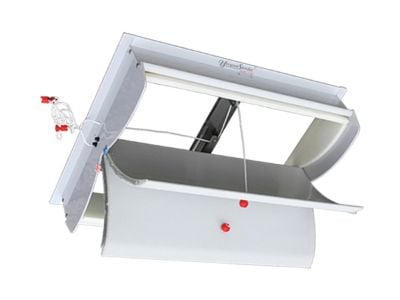
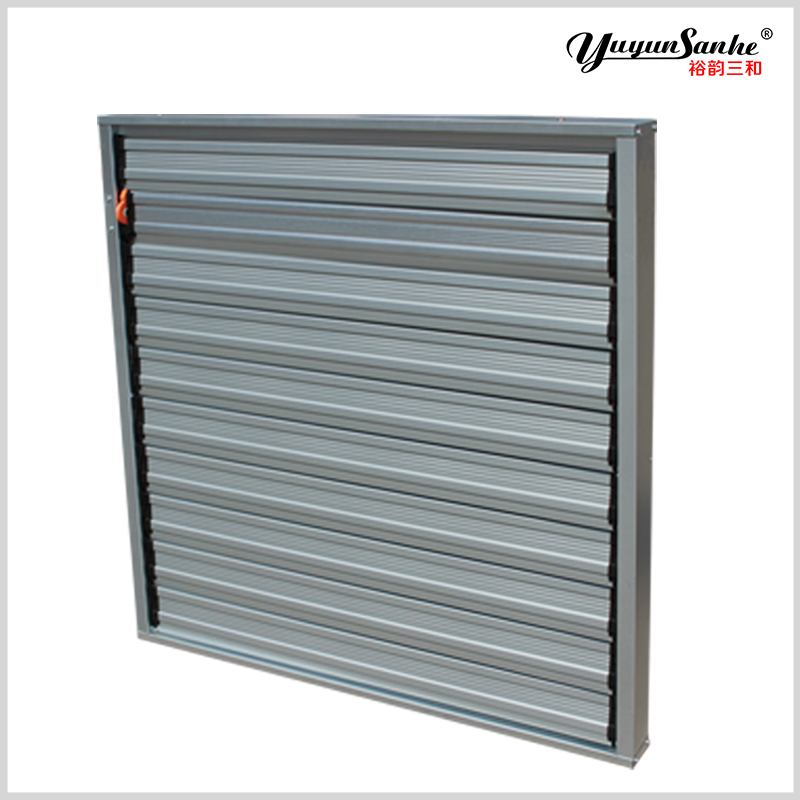
Automatic louver vent

Automatic louver vents are essential components in ventilation systems, allowing for the efficient control of airflow while preventing the entry of rain and debris. As a B2B buyer, understanding the specifications, applications, and sourcing practices associated with automatic louver vents is crucial for making informed purchasing decisions. This article will address common buyer concerns, including sourcing, supplier reliability, cost factors, and material advantages to help you find the right automatic ventilation louver for your business needs.  

Where to Find Reliable Suppliers of Automatic Louver Vents

Where to Find Reliable Suppliers of Automatic Louver Vents

Finding a reliable supplier for automatic louver vents involves thorough research and evaluation. Start by exploring online directories and industry-specific platforms where manufacturers and reliable suppliers list their products. Websites and industry trade shows can provide a wealth of options. 

Once you have identified reliable suppliers, assess their credibility by reviewing their certifications, such as ISO9001 and CE. These certifications indicate adherence to quality management and safety standards, which are crucial for ensuring product reliability. 

Furthermore, look for reliable suppliers with a strong track record of customer service and support, as this can significantly impact your purchasing experience. Reach out to current or past clients for feedback on their experiences with the supplier, including product quality and responsiveness. 

Finally, consider the supplier’s production capabilities and customization options. A manufacturer with strong R&D capabilities, like Shandong Yuyun Sanhe Machinery Co., Ltd., can offer tailored solutions that meet specific project requirements. 
Best Practices

Best Practices

To maximize the value of your investment in automatic louver vents, adhere to several best practices during the sourcing process. First, always request samples before committing to a bulk order. This will allow you to evaluate the product's quality, fit, and performance in real-world conditions. 

Second, maintain clear communication with your supplier regarding your expectations and any specific requirements. A well-defined scope can help prevent misunderstandings and ensure that the final product meets your standards. 

Next, document all agreements, including specifications, pricing, and delivery timelines, to serve as a reference point throughout the purchasing process. This documentation can help resolve any disputes that may arise and ensure accountability. 

Finally, consider establishing a long-term relationship with your supplier. Reliable partnerships can lead to better pricing, priority service, and collaborative development for future projects. 

Evaluating the Cost Factors of Automatic Louver Vents for Buyers

Evaluating the Cost Factors of Automatic Louver Vents for Buyers

Understanding the cost factors associated with automatic louver vents is vital for effective budgeting. The price of these products can vary widely based on specifications such as size, material, and design complexity. For instance, ventilation louvers industrial made from high-grade aluminum may come at a premium compared to standard plastic options due to their enhanced durability and corrosion resistance. 


Material Advantages of Automatic Louver Vents for Enhanced Performance

The material of automatic louver vents plays a critical role in their performance and suitability for various applications. Common materials include aluminum, galvanized steel, and high-density polyethylene (HDPE). Each material has its advantages and disadvantages based on factors such as durability, weight, and resistance to environmental conditions. 

Aluminum louver vents are known for their lightweight properties and resistance to rust, making them ideal for outdoor applications where moisture exposure is a concern. On the other hand, galvanized steel is often favored for its strength and impact resistance, suitable for heavy-duty industrial environments. 


Frequently Asked Questions

What is an automatic louver vent?

An automatic louver vent is a motorized ventilation device that opens and closes louvers to control airflow, temperature, and humidity in agricultural and industrial buildings.
Our vents are made in our 30,000 sqm factory with durable materials and comply with ISO9001, CE, and RoHS certifications.
They suit poultry houses, livestock barns, greenhouses, warehouses, and industrial spaces requiring controlled ventilation and climate management.
Yes. They are designed for integration with fans and climate control systems for automated temperature and ventilation management.
We provide product warranty, technical support, spare parts, and guidance from our R&D team to ensure proper installation and long-term performance.

Our Blog Posts

Professional Manufcturer of Feed Silo in China

01

Oct

Professional Manufcturer of Feed Silo in China

Are you in need of secure and weather-resistant animal feed storage? If yes, then why not working with a Feed Silo Manufacturer In China. A feed silo manufacturer in China may be right for youFor a variety of reasons, here are some pros and cons that...
View More
What to Consider When Choosing a Feed Silo for Poultry Operations

13

Dec

What to Consider When Choosing a Feed Silo for Poultry Operations

When you’re running a poultry operation, it’s critically important to choose the right feed silo. A feed silo is a large container used to store chicken feed for future use – in this case, feed for your chickens or other such poultry. All the better ...
View More
How to Design a Greenhouse Ventilation System for Different Climates?

09

Feb

How to Design a Greenhouse Ventilation System for Different Climates?

Creating a good greenhouse ventilation system is really important if you want grow healthy plants. The right ventilation can control temperature, humidity and also air quality inside. This matter a lot in different climates, because weather change ho...
View More
How Air Inlet Design Affects Indoor Air Quality?

14

Feb

How Air Inlet Design Affects Indoor Air Quality?

Air is really important for breathing and living, but not every air is good one for us. We spend so much time indoor in buildings, so indoor air quality matter a lot. The way how we design air inlets, those places where air come into room, can change...
View More

Get In Touch

Sophie Dong
Lorna Gao