Essential Guide to Automatic Exhaust Fans for Buyers

All Categories

automatic exhaust fan

Automatic exhaust fans are essential components in various industrial and commercial settings, designed to regulate airflow and maintain optimal indoor air quality. For B2B buyers, purchasing these fans involves critical considerations such as specifications, quality assurance, and cost factors. This article will guide you through the key aspects of sourcing automatic exhaust fans, ensuring that you make informed decisions for your projects.
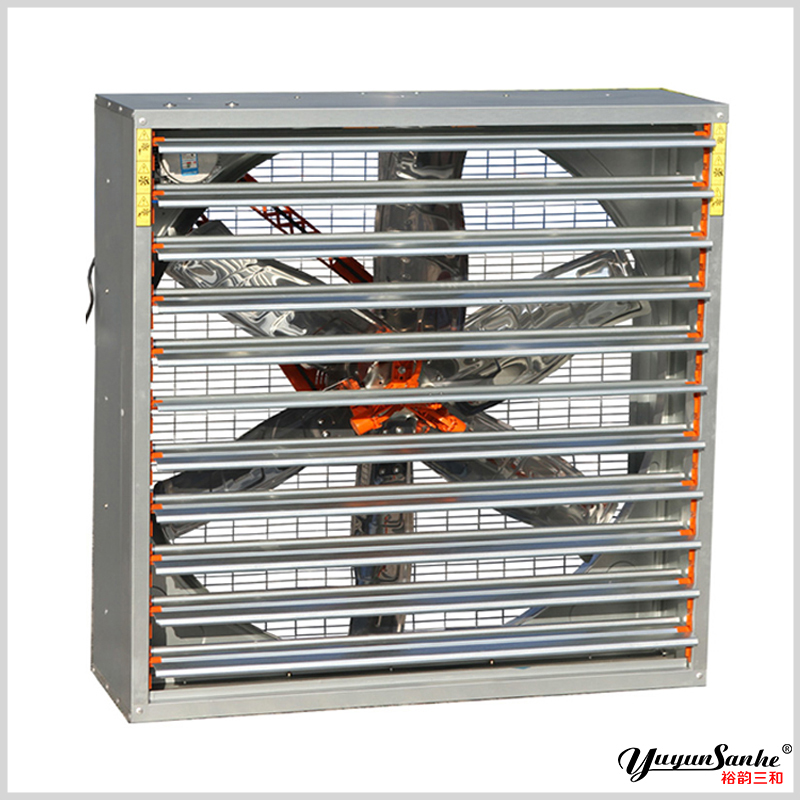
Key Specifications of Automatic Exhaust Fans for Wholesale Buyers

Key Specifications of Automatic Exhaust Fans for Wholesale Buyers

Wholesale buyers should focus on several critical specifications when evaluating automatic exhaust fans:

Airflow Capacity: Measured in CFM, this indicates how much air the fan can move. The required CFM depends on the size of the space and specific ventilation needs.

Motor Type: Look for energy-efficient motors, such as EC motors, which provide better performance and lower operational costs. For example, the Maintenance-Free Variable Speed Direct Drive Exhaust Fan with EC Motor is designed for efficiency.

Blade Design: Different blade designs affect airflow efficiency and noise levels. For instance, backward-inclined blades generally offer higher efficiency and quieter operation.

Materials: The construction material influences durability. Fans made from corrosion-resistant materials, such as galvanized steel or aluminum, are ideal for harsh environments.

Control Systems: Automatic exhaust fans often come with integrated control systems that allow for automated operation based on temperature and humidity sensors. Understanding the control options available is essential for maximizing efficiency.

Certifications: Ensure that the fans meet industry standards, such as ISO9001 and CE certifications, which indicate quality assurance during manufacturing.
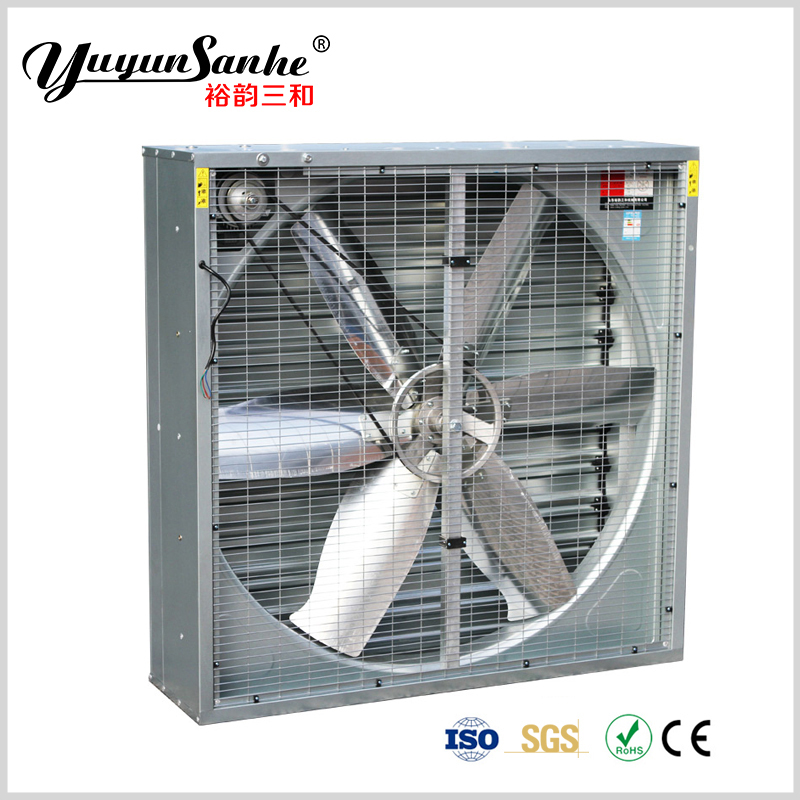
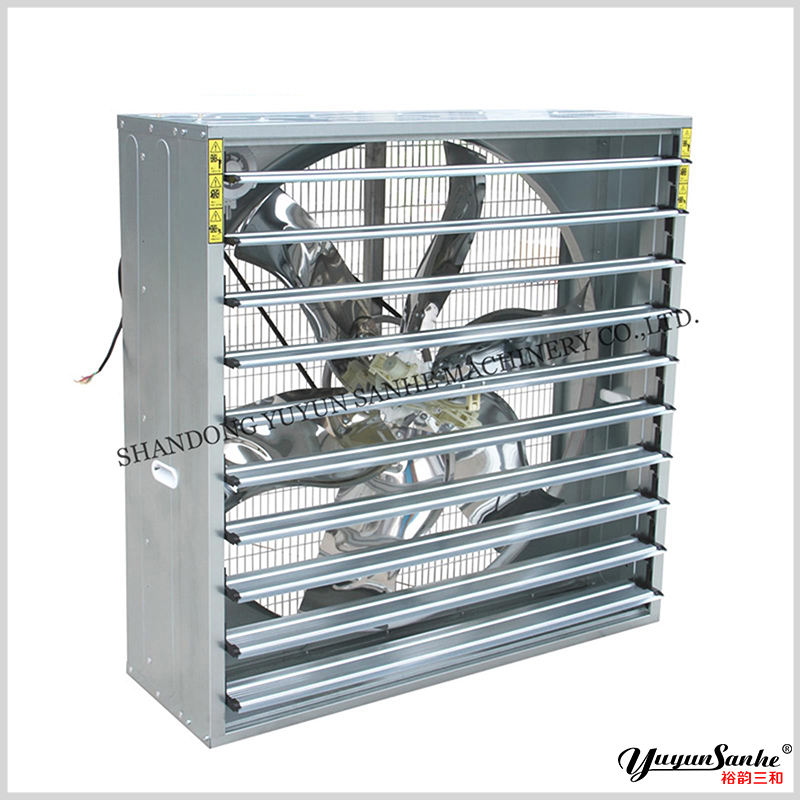
How to Evaluate the Quality of Automatic Exhaust Fans for Bulk Orders

How to Evaluate the Quality of Automatic Exhaust Fans for Bulk Orders

Quality evaluation is crucial when placing bulk orders for automatic exhaust fans. Start by requesting samples to assess the build quality, performance, and noise levels. Conducting a thorough inspection can help identify potential issues before mass production.

Furthermore, buyers should verify the manufacturer's quality control processes. Key aspects to inquire about include:

Material Sourcing: Confirm that materials used are of high quality and suitable for the intended environment. Testing Procedures: Ensure that the manufacturer performs rigorous testing on their products, including airflow tests and durability assessments. Warranty and Support: A reliable warranty and customer support system can indicate a manufacturer’s confidence in their product’s quality. Additionally, consider the manufacturer’s experience in the industry. Companies like Shandong Yuyun Sanhe Machinery Co., Ltd., established in 2000, benefit from extensive expertise in producing ventilation equipment, which can enhance buyer trust. You might also want to look into Swine Equipment if your projects require specialized solutions.
What to Look For

What to Look For

In addition to technical specifications, buyers should consider the following factors:

Lead Times: Understand the expected lead times for manufacturing and delivery, especially if your project is time-sensitive.

Minimum Order Quantity (MOQ): Check the MOQ requirements to ensure they align with your purchasing plans.

Customization Options: Some projects may require specific features or sizes. Inquire about the manufacturer’s ability to customize products to meet unique requirements.

Packaging and Shipping: Proper packaging is essential to prevent damage during transportation. Ask about the packaging methods used and shipping options available.

Return Policy: A clear return policy will provide peace of mind when ordering in bulk, especially if the products do not meet your expectations.

Cost Factors to Consider for Purchasing Automatic Exhaust Fans

Cost is a significant factor in purchasing automatic exhaust fans, and several elements influence pricing:

Material Costs: The choice of materials directly impacts the fan's price. For instance, stainless steel options are typically more expensive than plastic, but they offer enhanced durability and resistance to corrosion.

Production Complexity: Fans with advanced features, such as integrated sensors or specialized control systems, may come at a premium. Discuss these options with suppliers to understand how they affect pricing.

Volume Discounts: Bulk orders often qualify for discounts. Confirm with suppliers about pricing tiers based on order quantity.

Shipping Costs: Consider shipping costs, which can vary significantly based on distance and shipping method. Some manufacturers may offer free shipping for large orders.

Operational Costs: While the initial purchase price is important, also factor in the long-term operational costs associated with energy consumption and maintenance. Energy-efficient models may have a higher upfront cost but can lead to savings over time.

By understanding these cost factors, buyers can make more informed decisions and negotiate better terms with manufacturers.

In summary, sourcing automatic exhaust fans involves careful consideration of specifications, quality assessment, and cost evaluation. By following the guidelines outlined above, B2B buyers can ensure they select the right products for their projects while establishing reliable partnerships with manufacturers.

Frequently Asked Questions

What is the automatic exhaust fan used for?

The automatic exhaust fan removes stale air, odors, moisture and heat from industrial, agricultural and residential spaces to improve ventilation and climate control.
We offer multiple sizes and airflow capacities suitable for small rooms to large barns; contact us with your space volume and required air changes for recommended options.
Our fans are manufactured in a 30,000 sqm facility under ISO9001, with CE and RoHS certifications ensuring compliance with safety and environmental standards.
Models support various voltages and include automatic sensors, timers and remote control options; custom control configurations are available on request.
We provide warranty coverage and technical support, plus spare parts and maintenance guidance. Contact our service team for warranty terms and local support details.

Our Blog Posts

What to Consider When Choosing Chicken Feed Silos for Industrial Use

04

Mar

What to Consider When Choosing Chicken Feed Silos for Industrial Use

With chickens you have to consider how to best secure their feed and keep it fresh. To properly store their food, you will need a chicken feed silo. A chicken feed silo is a unique container dedicated to the storage of chicken feed. But what is a chi...
View More
The Latest Innovations in Poultry Farm Equipment Technology

08

Oct

The Latest Innovations in Poultry Farm Equipment Technology

Changing the Face of Poultry Industry Today with Top-of-the-range Facilities

As poultry business continually develops, the tendency of an improved quality standard in poultry production sets in. And YuyunSanhe is leading the road in this ind...
View More
Why High-Quality Cooling Pads Are Essential in Greenhouse Operations

07

Dec

Why High-Quality Cooling Pads Are Essential in Greenhouse Operations

Greenhouses are special structures used for growing plants. They also help protect plants from bad weather and from pests. On the other hand, the proper control of temperature in the interior of a greenhouse is a matter of very great importance for t...
View More
How Greenhouse Ventilation Fans Regulate Temperature and Humidity?

12

Feb

How Greenhouse Ventilation Fans Regulate Temperature and Humidity?

Greenhouse ventilation fans are really important to keep plants healthy. They control the temperature and humidity inside greenhouse, which is very needed for plants grow good. If it become too hot or too much humid, plants get stressed and not grow ...
View More

Get In Touch

Sophie Dong
Lorna Gao