
 EN
 AR
 BG
 DA
 NL
 FR
 DE
 EL
 HI
 IT
 JA
 KO
 PL
 PT
 RO
 RU
 ES
 SV
 TL
 ID
 LV
 LT
 SR
 UK
 VI
 HU
 TH
 TR
 FA
 MS
 GA
 AZ
 BN
 LA
 MN
 MY
 KK
 UZ
 KY
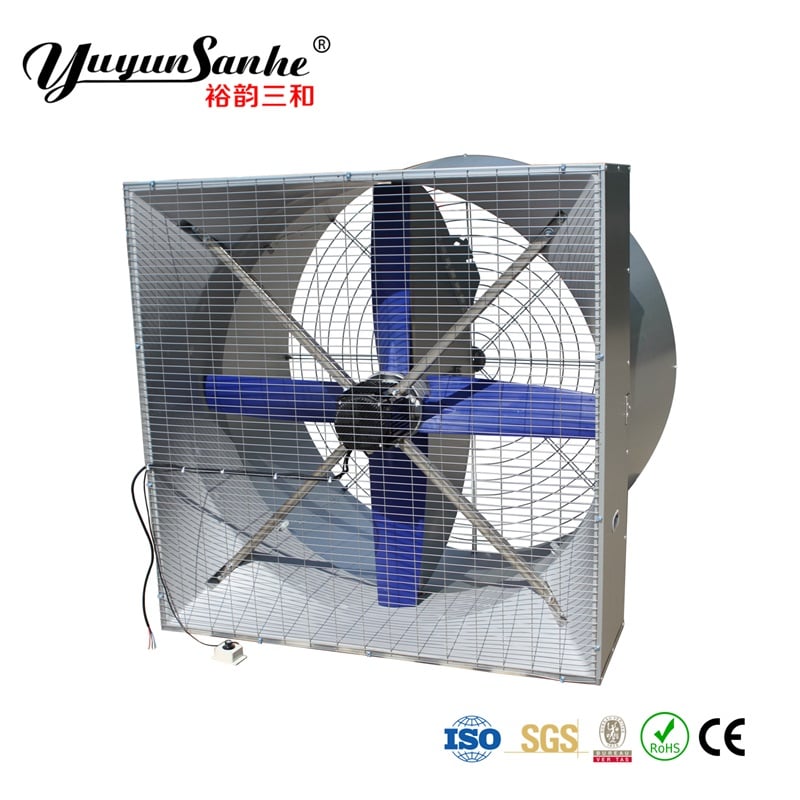
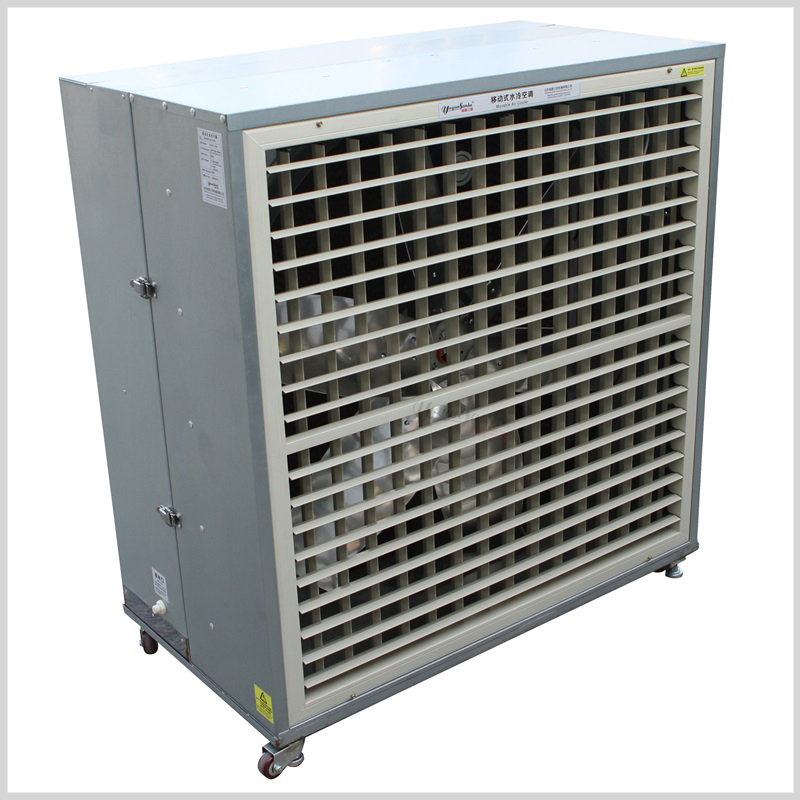
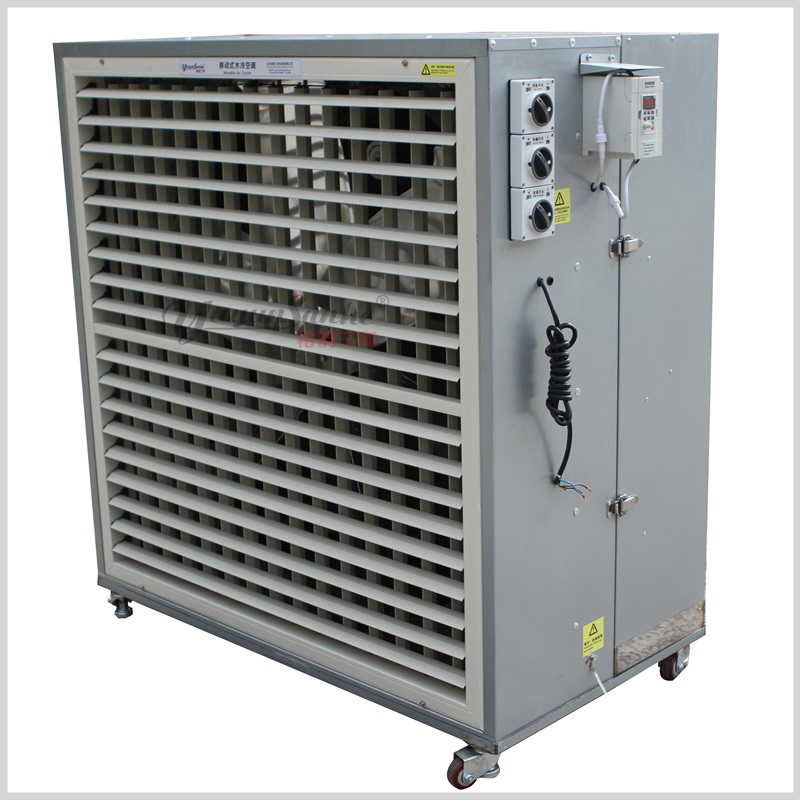
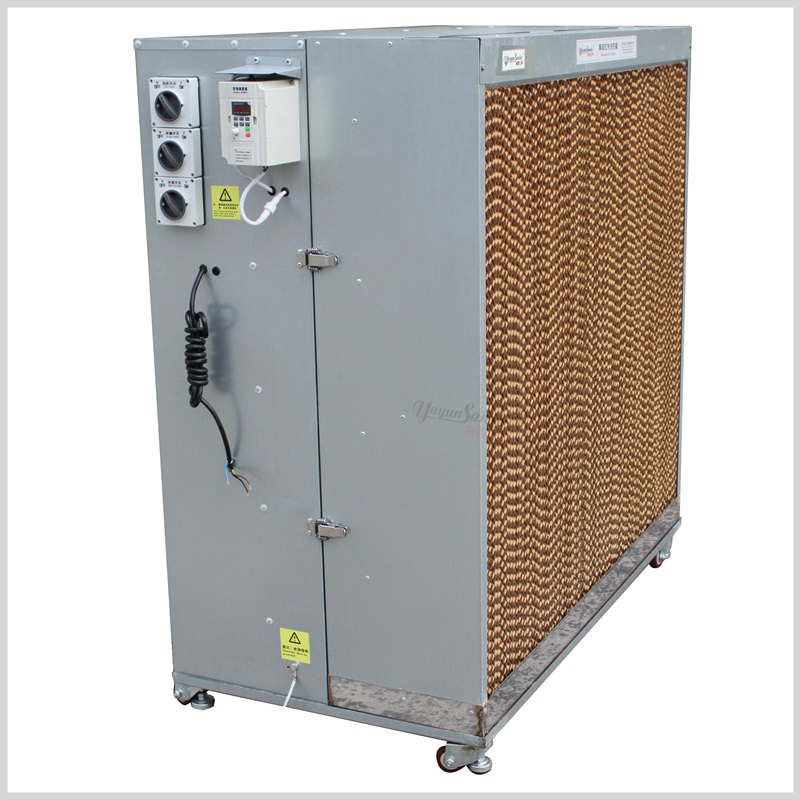
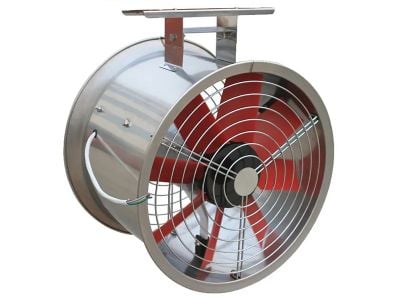
Industrial air coolers are essential climate control solutions designed for large-scale applications across various industries. As a purchasing manager or engineer, your key concerns typically revolve around efficiency, reliability, and cost-effectiveness. This feeding pan article will provide you with critical insights into selecting the right industrial air cooler supplier, understanding specifications, installation guidance, troubleshooting common issues, and exploring applications across different sectors.


Understanding the key specifications of industrial air coolers
Understanding the key specifications of industrial air coolers is crucial for bulk purchases. Important parameters include airflow capacity, cooling efficiency, power consumption, and material quality.
Airflow Capacity: Measured in cubic meters per hour (m³/h), this specification determines how much air the cooler can circulate. Higher airflow is essential for larger spaces, ensuring effective cooling.
Cooling Efficiency: Look for the Energy Efficiency Ratio (EER) or Coefficient of Performance (COP), which indicate how effectively the cooler converts electrical energy into cooling output. A higher ratio means lower energy costs in the long run.
Power Consumption: Understanding the power requirements is vital for operational budgeting. Ensure the coolers you consider have a balance between performance and energy efficiency.
Material Quality: The industrial air cooler construction materials used in the air cooler impact durability and effectiveness.

 Sophie Dong

