Blower Greenhouse Solutions for Optimal Plant Health

All Categories

blower greenhouse

Blower greenhouses are essential for maintaining optimal climate conditions within agricultural settings, ensuring that plants receive the right amount of air circulation, temperature control, and moisture. For B2B buyers such as purchasing managers and engineers, understanding the specifications, quality standards, and installation processes of blower systems is crucial to making informed decisions. This article will cover wholesale purchasing options, what to look for in manufacturers, quality control standards, installation guidance, and common problems with blower systems, providing the practical insights necessary for successful procurement.
What to Look for in Blower Manufacturers

What to Look for in Blower Manufacturers

Choosing the right blower manufacturer involves assessing various factors that impact product quality and performance. Key considerations include:

Certifications and Compliance: Ensure the manufacturer has relevant certifications such as ISO9001, CE, and RoHS, which indicate adherence to international quality and safety standards.

Manufacturing Capabilities: Evaluate the production facilities and equipment used in manufacturing blower systems. A manufacturer with advanced technology and strict quality control processes is likely to produce more reliable products.

Experience and Expertise: Consider the manufacturer's experience in the industry. A company with a long history of producing ventilation and climate control systems is usually better equipped to handle specific customer needs and challenges.

Customer Support and Service: Reliable after-sales support is crucial. Ensure that the manufacturer offers technical assistance, warranty options, and maintenance services to help resolve issues post-purchase.
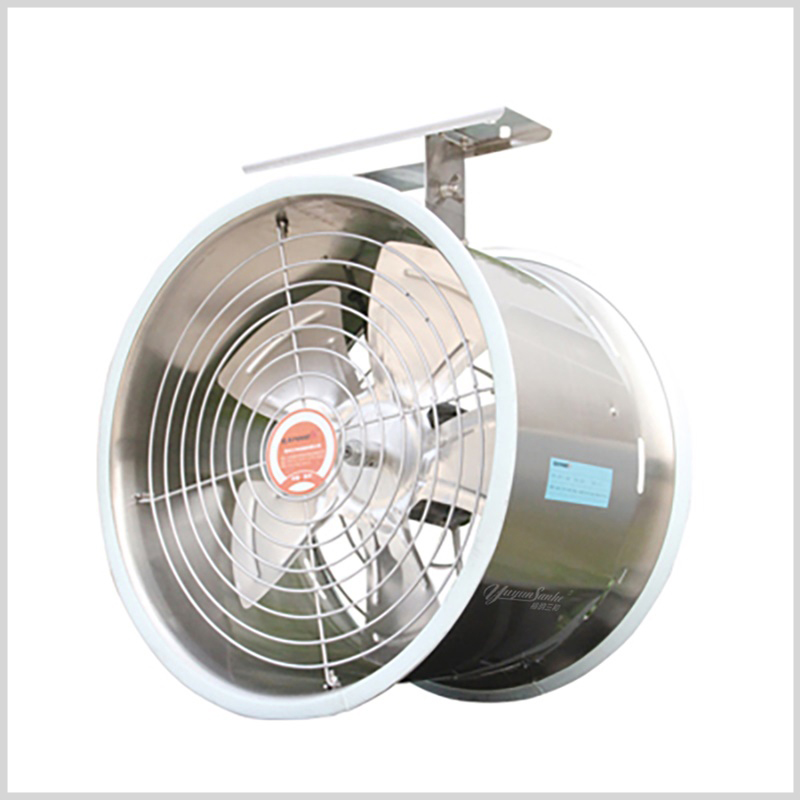
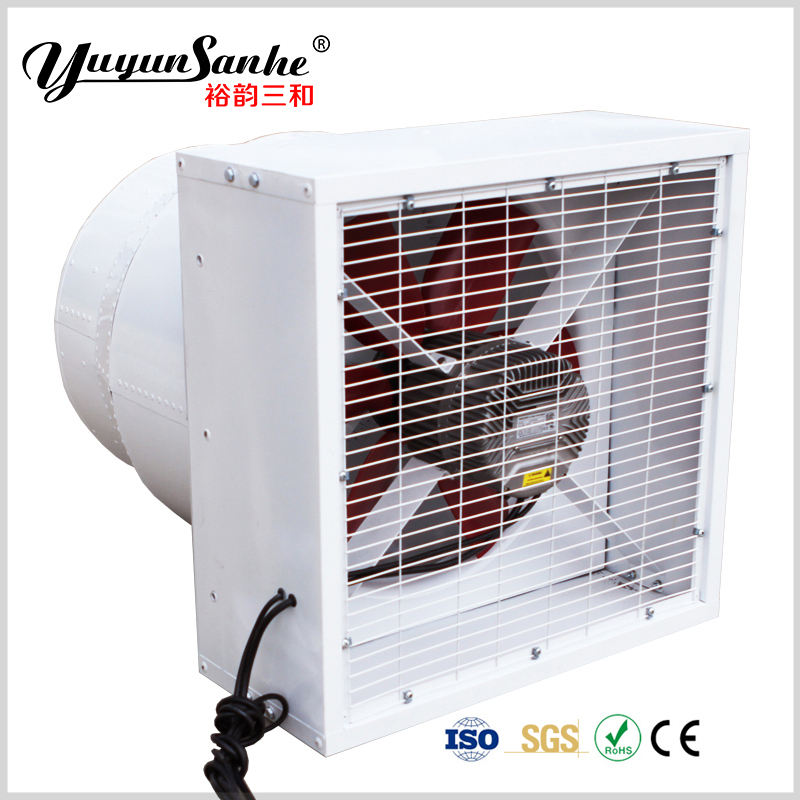
Quality Control Standards in Blower Greenhouse Equipmen

Quality Control Standards in Blower Greenhouse Equipmen

Quality control is a fundamental aspect of manufacturing blower systems for greenhouses. Manufacturers must implement rigorous testing procedures to ensure that each unit meets performance specifications. Common quality control standards include:

Material Inspection: Raw materials used in blower systems should be inspected for durability and resistance to environmental factors such as moisture and temperature variations.

Performance Testing: Each blower should undergo performance testing to verify airflow rates, energy efficiency, and noise levels. This step ensures that the unit operates effectively within the desired parameters.

Final Inspection: Before shipment, a final inspection should be conducted to check for any defects or inconsistencies in the finished product. This includes verifying dimensions, fit, and overall appearance.

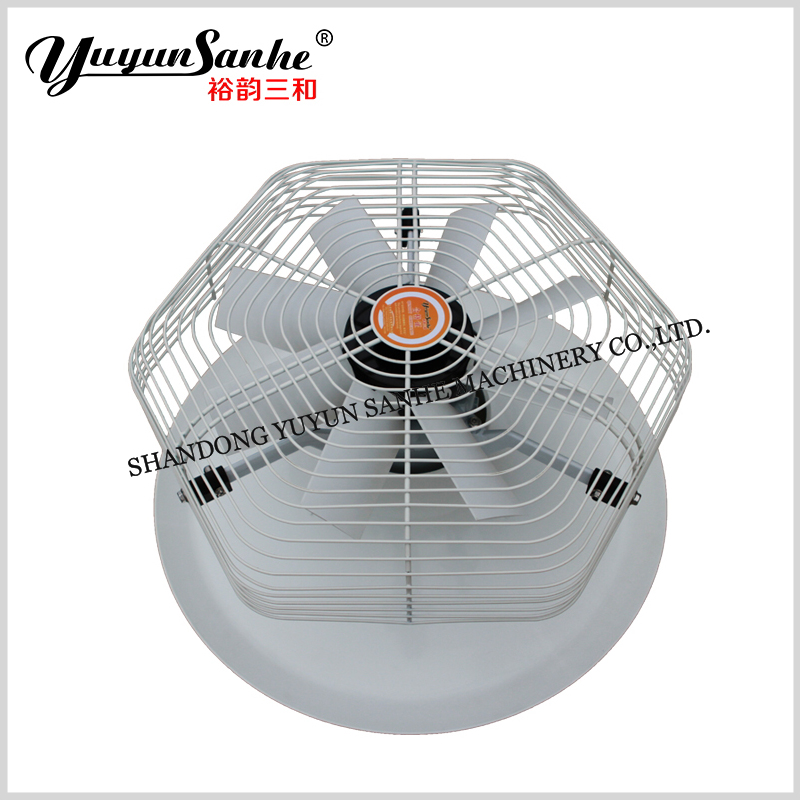
Adhering to these quality control standards not only minimizes the likelihood of operational issues but also enhances the lifespan and reliability of blower systems in greenhouse applications. In addition, integrating systems such as Water Tank solutions can further optimize the environmental conditions within the greenhouse. Furthermore, considering the High Efficiency Direct Drive Butterfly Cone Exhaust Fan with EC Motor / AC Motor can also contribute to better climate control.

Installation Guidance for Blower Systems in Greenhouses

Installation Guidance for Blower Systems in Greenhouses

Proper installation of blower systems is critical to achieving optimal performance. Here are key steps and considerations for installing these systems in greenhouses:

Site Assessment: Before installation, conduct a thorough assessment of the greenhouse structure. Consider factors such as size, shape, and existing ventilation systems, which will affect the placement and number of blowers required.

Electrical Connections: Ensure that electrical connections comply with local regulations and that the necessary power supply is available for the blower system. Proper wiring is essential for safety and performance.

Mounting and Alignment: Follow the manufacturer's guidelines for mounting the blower units. Ensure that the fans are aligned correctly to facilitate efficient airflow throughout the greenhouse. Incorrect alignment can lead to inefficient operation and increased energy consumption.

Testing and Calibration: After installation, test the system to ensure it operates as intended. Calibration may be required to adjust airflow rates and control settings based on specific greenhouse conditions.

By following these installation guidelines, buyers can maximize the efficiency and longevity of their blower systems, ultimately benefiting their greenhouse operations.

Common Problems with Blower Systems and Their Solutions

Despite their importance, blower systems can experience issues that may impact performance. Here are common problems and recommended solutions:

Insufficient Airflow: If a blower system is not providing adequate airflow, it may be due to improper installation, blockages in the ductwork, or malfunctioning components. Regular maintenance checks can help identify and resolve these issues before they affect plant health.

Excessive Noise: Unusual noise from a blower can indicate mechanical issues or misalignment. Inspect the fan blades and motor for any signs of wear or damage. Lubricating moving parts can also help reduce noise levels.

Energy Inefficiency: If energy consumption is higher than expected, evaluate the blower's operational settings and ensure that it is not running continuously at full capacity. Implementing variable speed drives can enhance energy efficiency by adjusting airflow based on real-time needs.

Component Failures: Regularly check components such as belts, bearings, and electrical connections for signs of wear. Establish a maintenance schedule to replace worn parts before they lead to system failures.

By proactively addressing these common issues, buyers can ensure their blower systems continue to operate effectively and contribute to a healthy greenhouse environment. Understanding the intricacies of blower greenhouse systems is essential for making informed purchasing decisions. From evaluating manufacturers and quality control standards to installation and troubleshooting common problems, buyers can enhance their operational efficiency and plant health through proper management of these vital systems.

Frequently Asked Questions

What is a blower greenhouse used for?

A blower greenhouse circulates air to control temperature, humidity and CO2, promoting uniform climate for plant growth and preventing mold or heat stress.
We offer multiple blower models and sizes to fit small to large greenhouses, specified by airflow (m3/h), power (kW), and dimensions; contact us for model selection.
Yes. Manufactured in our 30,000 sqm factory with RD and strict QC, our blowers hold ISO9001, CE and RoHS certifications.
Our blowers are designed for high efficiency with optimized motors and impellers to reduce power consumption while delivering required airflow.
We provide technical support, installation guidance, spare parts availability and warranty terms; contact sales for specific warranty period and service details.

Our Blog Posts

Top 10 Industry Ventilation Exhaust Fan Manufacturers in UK

16

Jul

Top 10 Industry Ventilation Exhaust Fan Manufacturers in UK

Finding right exhaust fans for industry is tough job. In UK, many companys work hard making good ventilation fans. These fans keeps air fresh and safe in factories and workplaces. Good air is important for workers health, and it help machines run bet...
View More
How to Equip a Greenhouse for Organic Vegetable Production

27

Nov

How to Equip a Greenhouse for Organic Vegetable Production

When you design a greenhouse for growing organic vegetables, you want to be sure you get everything just right so that you can grow healthy plants. Here are some of the things you need, and some tips, for getting and keeping your greenhouse in the ri...
View More
The Latest Trends in Air Inlet Manufacturing Technology

15

Dec

The Latest Trends in Air Inlet Manufacturing Technology

The production technology of air inlet is getting better and better, and new trends are constantly emerging in the industry to improve efficiency. As a industrials manufacturing leader, YuyunSanhe is the pioneering company in providing air inlet prod...
View More
What Makes a Durable Feed Silo for Large-Scale Farms

16

Dec

What Makes a Durable Feed Silo for Large-Scale Farms

And for industrial size farms, a sturdy feed silo is a must. A feed silo is a large container that is used to store animal feeds as bulk material. The longevity of these silos is key as it helps keep the feed safe and fresh for animals. YuyunSanhe is...
View More

Get In Touch

Sophie Dong
Lorna Gao