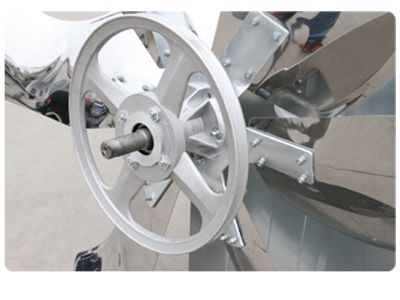
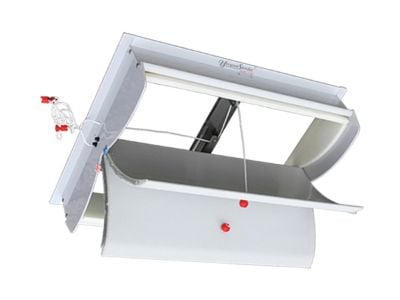
Choosing the Right Ventilation Fan for Chicken Coop

All Categories

ventilation fan for chicken coop

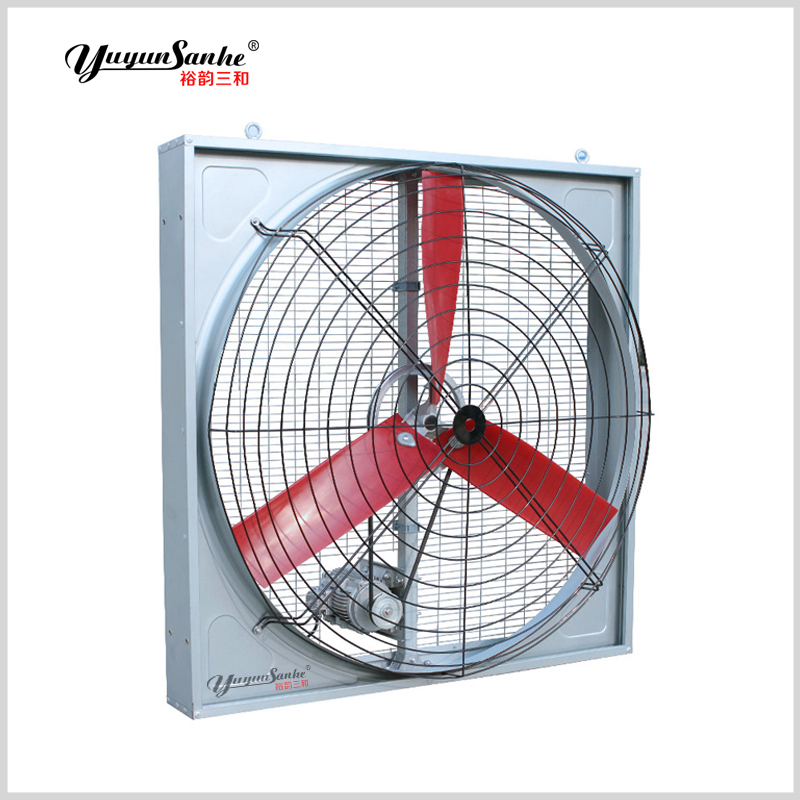
Proper ventilation is crucial for the health and productivity of chickens in a coop, and selecting the right ventilation fan for chicken coop is a key decision for poultry farmers and suppliers. Buyers often seek to understand how to optimize air circulation, ensure temperature control, and maintain a healthy environment for their poultry. This article will guide you through the essentials of choosing the right ventilation fan, cost considerations, common ventilation issues and solutions, comparisons between different fan options, and the materials used in these systems.
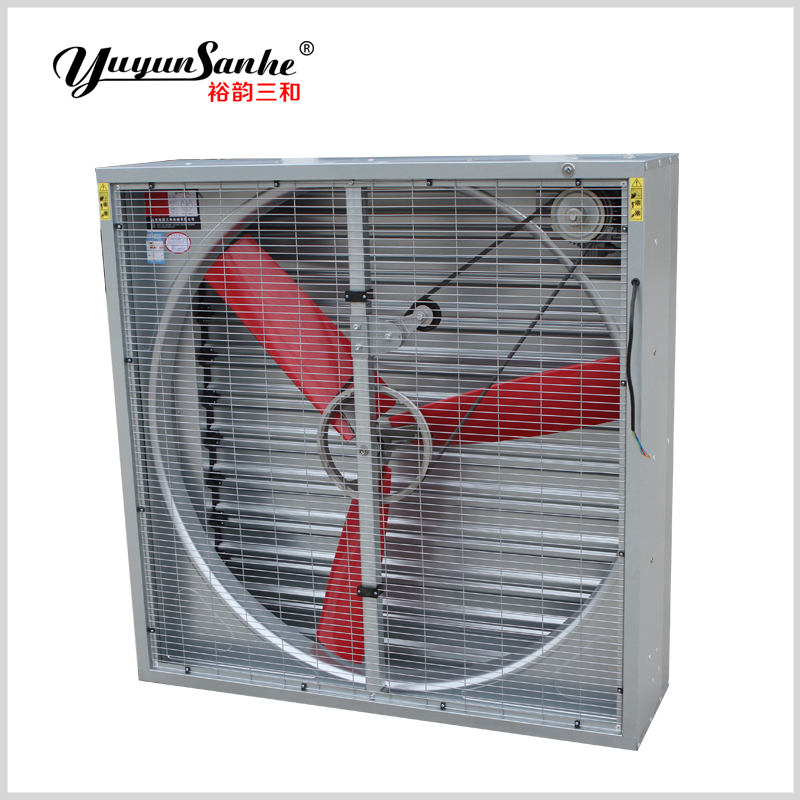
Cost Factors to Consider When Purchasing Ventilation Fans

Cost Factors to Consider When Purchasing Ventilation Fans

The cost of ventilation fans varies depending on several factors. Understanding these can help you budget effectively:

Fan Size and Power: Larger and more powerful fans usually come with a higher price tag. Determine the balance between size and required performance to avoid overspending.

Technology and Features: Advanced features such as remote control, automation capabilities, or integrated sensors can increase the cost. Assess whether these features align with your operational needs.

Installation Costs: Factor in installation expenses, especially if electrical work or structural modifications are required to accommodate the fan.

Operational Costs: Consider the long-term operational costs, including energy consumption and maintenance. An initial investment in a high-quality, energy-efficient fan may lead to lower costs over time.

Shipping and Handling: If you are importing fans, account for shipping costs and potential tariffs, especially since some fans may not be available locally.

Understanding these cost factors can help you make a more informed purchasing decision and find a balance between upfront costs and long-term savings.
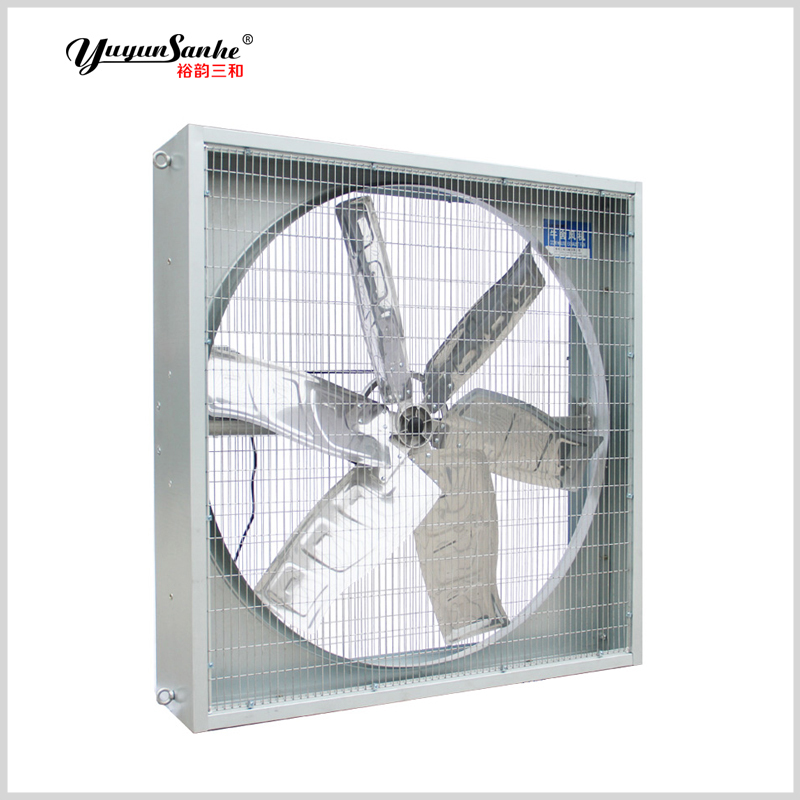
Common Problems with Chicken Coop Ventilation and Their Solutions

Common Problems with Chicken Coop Ventilation and Their Solutions

Ineffective ventilation can lead to several issues within a chicken coop, impacting the health and productivity of your flock. Here are some common problems and their solutions:

Excessive Heat: Inadequate airflow can cause overheating, especially in warmer months. Installing exhaust fans can help remove hot air, while intake fans ensure a flow of cooler air. Automated systems can adjust the airflow based on temperature readings.

High Humidity: Excess moisture from chicken droppings and bedding can lead to respiratory issues. Use fans to circulate air and consider dehumidification systems in high-humidity climates.

Poor Air Quality: Accumulation of ammonia from waste can create a harmful environment. Regular cleaning, combined with proper ventilation, helps reduce ammonia levels. Look for fans that promote a complete air exchange.

Foul Odors: Stale air can lead to unpleasant odors. A properly sized and positioned ventilation system can promote air circulation, minimizing odor retention.

Drafty Conditions: While ventilation is essential, it’s important to avoid drafts that can stress birds. Use adjustable fans or louvered vents to control airflow direction and intensity.

By addressing these issues promptly and effectively, you can create a healthier environment for your chickens.

Comparing Ventilation Fan Options for Optimal Chicken Care

Comparing Ventilation Fan Options for Optimal Chicken Care

When comparing ventilation fan options, consider the following aspects to determine which best suits your chicken coop:

Fan Types:

Axial Fans: Commonly used for general ventilation, they are efficient for low-pressure applications. Centrifugal Fans: Better suited for high-pressure or long-duct systems, these fans offer more power for larger coops.

Energy Source:

Electric Fans: Offer consistent power but can lead to higher electricity bills. Solar Fans: Provide an eco-friendly alternative, particularly in remote locations without access to electricity.

Control Options:

Manual Control: Basic and cost-effective, but requires manual adjustment. Automated Systems: Allow for real-time adjustments based on temperature and humidity, improving efficiency.

Noise Levels: If noise is a concern, compare decibel ratings of different models. Look for fans designed to operate quietly.

Durability: Assess the materials used in construction. Fans made from corrosion-resistant materials are preferable for humid environments.

By weighing these options, you can find a fan that meets your specific chicken care needs while optimizing performance and cost.

Understanding Material Advantages in Chicken Coop Ventilation Fans

The materials used in the construction of ventilation fans greatly influence their performance, durability, and maintenance requirements. Here are some common materials and their advantages:

Plastic: Lightweight and resistant to corrosion, plastic fans are ideal for humid environments. They are often less expensive but may not be as durable as metal options.

Aluminum: Known for its strength and lightweight nature, aluminum fans offer good resistance to corrosion and are easy to clean. They are suitable for longevity but can be more expensive.

Steel: Steel fans are robust and durable, making them suitable for heavy-duty applications. However, they require protective coatings to prevent rust and corrosion.

Composite Materials: Some fans utilize composite materials that combine the benefits of different substances, offering high resistance against environmental conditions and reduced weight.

Paint Finishes: Look for fans with quality paint finishes that can withstand moisture and UV exposure. A good finish will prolong the fan's lifespan and maintain its appearance.

When selecting a ventilation fan for your chicken coop, considering material advantages can help you choose a fan that not only performs well but also lasts longer under demanding conditions.

By addressing the critical factors outlined, buyers can make informed decisions when selecting a ventilation fan for their chicken coop, ultimately leading to healthier environments for their flocks.

Frequently Asked Questions

What sizes of ventilation fan for chicken coop are available?

We offer multiple fan diameters and airflow capacities to suit small to large coops. Contact us with coop dimensions and bird count for a recommended model.
Yes. Our fans are designed for ventilation, cooling, and moisture control in poultry houses to maintain healthy air quality and temperature.
Manufactured in our 30,000 sqm factory, the fans comply with ISO9001, CE, and RoHS standards and pass strict quality control procedures.
Yes. Fans are built for durable farm use with corrosion-resistant materials and robust motors; choose IP ratings and protective options for harsher conditions.
We provide technical support, installation guidance, and warranty terms; contact our service team with purchase details for specific warranty length and support options.

Our Blog Posts

How to Install an Exhaust Fan Correctly: A Step-by-Step Guide

16

Oct

How to Install an Exhaust Fan Correctly: A Step-by-Step Guide

Installing an exhaust fan sounds like a tough job, but don’t let that scare you away you can do it yourself with a little help. A great exhaust fan is just the thing to make the air in your bathroom or kitchen pleasant, clean and clear once again. Le...
View More
The Role of Industrial Ventilation Fans in Workplace Safety

22

Oct

The Role of Industrial Ventilation Fans in Workplace Safety

This holding of workers’ safe is what comes to mind when we speak about keeping workers safe at their jobs, especially if they work in factories, industrial ventilation fans have an important role to play. It is at this point that these fans, which a...
View More
Whats the Ideal Air Exchange Rate for Greenhouse Ventilation?

23

Nov

Whats the Ideal Air Exchange Rate for Greenhouse Ventilation?

Greenhouses are essentially giant glass houses for plants, and plants, like people, need fresh air to be healthy. And that’s when air exchange is important. The key is simply to exchange the old air inside the greenhouse with the fresh air from outdo...
View More
How Air Inlet Design Affects Indoor Air Quality?

14

Feb

How Air Inlet Design Affects Indoor Air Quality?

Air is really important for breathing and living, but not every air is good one for us. We spend so much time indoor in buildings, so indoor air quality matter a lot. The way how we design air inlets, those places where air come into room, can change...
View More

Get In Touch

Sophie Dong
Lorna Gao