Evaporative Cooling Pads for Greenhouses: Key Insights

All Categories

evaporative cooling pads for greenhouse

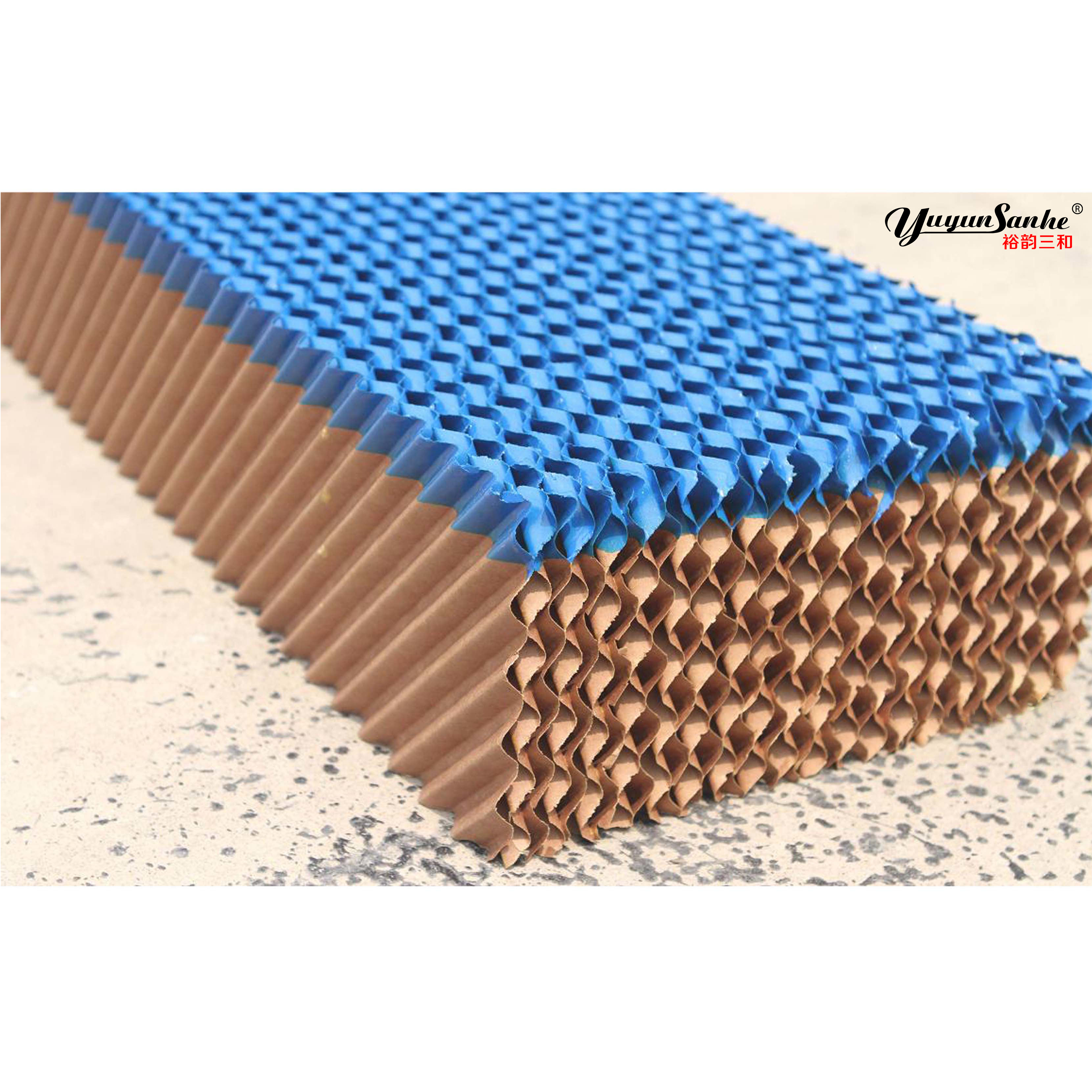
Evaporative cooling pads for greenhouses are essential components for maintaining optimal temperatures and humidity levels in agricultural environments. These pads work by utilizing the natural process of evaporation to cool air before it enters the greenhouse, promoting a conducive atmosphere for plant growth. For buyers, critical concerns include product efficiency, material durability, and the overall effectiveness of the cooling system. This article will provide insights into the advantages of evaporative cooling pads, key specifications to consider, methods for evaluating quality, installation tips, and common challenges along with their solutions.
Key Specifications to Consider for Evaporative Cooling Pads

Key Specifications to Consider for Evaporative Cooling Pads

When selecting evaporative cooling pads, several specifications should be evaluated to ensure they meet the specific needs of your greenhouse.

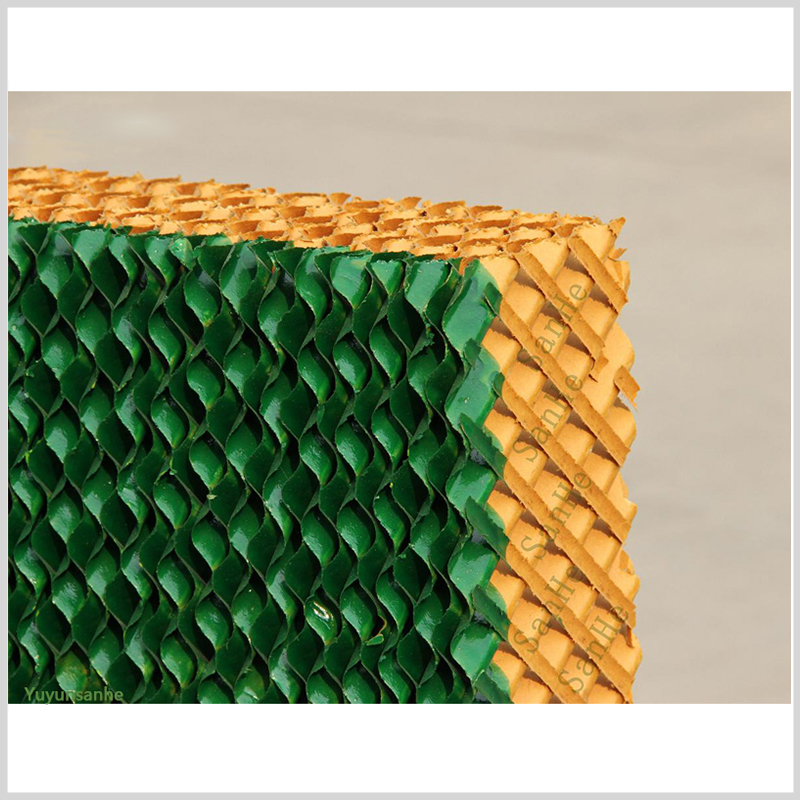
Material: Cooling pads are typically made from cellulose, fiberglass, or synthetic materials. Each material has its own durability and efficiency characteristics. Cellulose pads are known for their high absorption capacity and effective cooling, while synthetic options may offer better resistance to decay.

Thickness: The thickness of the pad directly affects its cooling efficiency. Thicker pads generally provide a greater surface area for evaporation, leading to cooler air. A common thickness ranges from 4 to 8 inches, depending on the design of the cooling system.

Dimensions: It’s crucial to ensure that the dimensions of the cooling pads fit the specific installation space in your greenhouse. Custom sizes may be available, which can optimize airflow and cooling effectiveness.

Cooling Efficiency: This is generally expressed in terms of the wet bulb depression, which indicates how much cooler the air can get compared to its initial temperature. Higher efficiency ratings mean better cooling performance.

Water Absorption: Look for pads with high water retention capacity, which allows for more efficient evaporation and cooling over longer periods, reducing the need for frequent water replenishment.
Evaluating the Quality of Evaporative Cooling Pads for Greenhouses

Evaluating the Quality of Evaporative Cooling Pads for Greenhouses

Quality evaluation of evaporative cooling pads is essential to ensure long-term performance and reliability. Start by inspecting the manufacturing processes used by the supplier. Look for certifications such as ISO9001, which indicates adherence to quality management standards.

When receiving samples, consider the following:

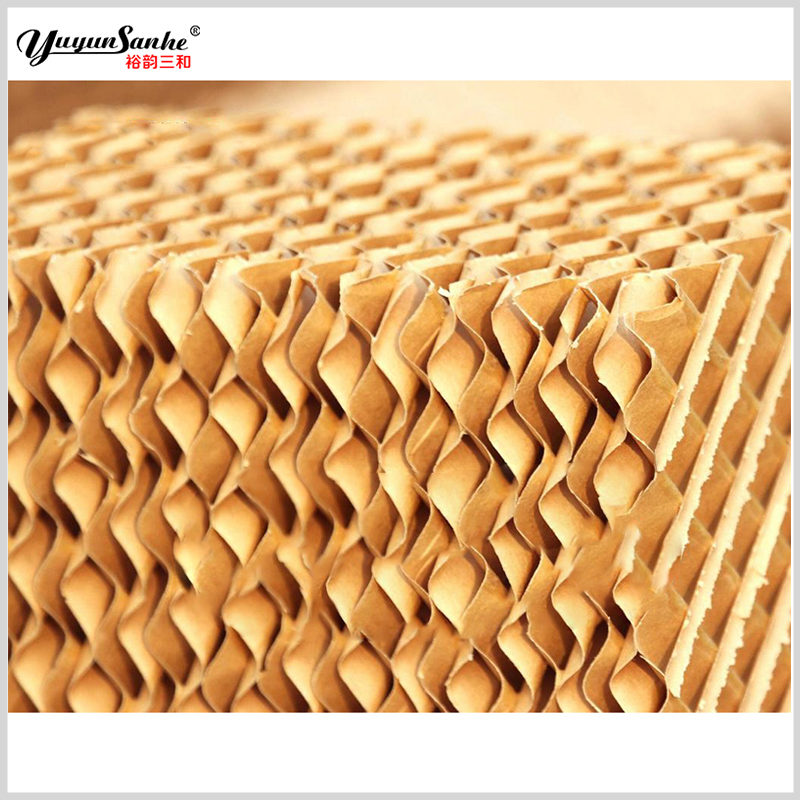
Material Integrity: Ensure the material is free from defects and properly constructed to withstand environmental conditions. A pad should be resistant to mold, decay, and other forms of degradation.

Uniformity: Check that the pads are uniform in thickness and density, as inconsistencies can lead to uneven cooling performance.

Performance Testing: If possible, request performance data from the manufacturer. This should include testing results under different environmental conditions to validate claims about efficiency and longevity.

Warranty and Support: A good supplier should provide warranties that cover defects and offer support for installation and maintenance issues.

Installation Tips for Efficient Use of Cooling Pads in Greenhouses

Installation Tips for Efficient Use of Cooling Pads in Greenhouses

Proper installation of evaporative cooling pads is crucial for maximizing their efficiency. Here are some tips to ensure effective installation:

Orientation: Install the pads vertically to maximize air exposure. This configuration promotes better airflow through the pads, enhancing cooling efficiency.

Sealing: Ensure that the pads are properly sealed in their frames to prevent air leakage, which can reduce cooling performance. Use appropriate sealing materials to create a tight fit.

Water Supply: Set up a reliable water distribution system to maintain consistent moisture levels in the pads. Regular checks should be in place to monitor water flow and prevent clogging.

Placement: Position the pads on the side of the greenhouse that receives the most sunlight to optimize cooling. This will allow the pads to cool the incoming air effectively.

Regular Maintenance: Schedule routine inspections to clean the pads and check for wear and tear. Proper maintenance can significantly extend the life span of the cooling pads. Furthermore, integrating systems like large airflow butterfly cone fans can also enhance the cooling and ventilation setup.

Common Problems with Evaporative Cooling Pads and Their Solutions

While evaporative cooling pads are generally effective, they can encounter specific challenges. Here are some common issues and their solutions:

Clogging: Over time, mineral deposits and algae can clog the pads, reducing their efficiency. Regular cleaning with a gentle pressure wash or vinegar solution can help maintain optimal performance.

Insufficient Cooling: If the pads fail to cool effectively, check for water supply issues or ensure the airflow is not obstructed. Inspect for any leaks or gaps that may reduce airflow.

Material Degradation: Exposure to UV light and moisture can lead to material breakdown. Choosing high-quality, UV-resistant materials can mitigate this issue, as well as ensuring proper maintenance.

Water Management: Excessive water can lead to over-saturation, which reduces cooling efficiency. Implementing a water management system that includes sensors can help regulate moisture levels automatically.

Temperature Fluctuations: If temperature control is inconsistent, it could be due to insufficient pad size or poor installation. Re-evaluating the pad size and placement can help achieve more stable temperatures within the greenhouse.

By understanding the advantages, specifications, quality evaluation, installation tips, and common problems associated with evaporative cooling pads, buyers can make informed decisions for their greenhouse cooling needs.

Frequently Asked Questions

What are evaporative cooling pads for greenhouse?

They are high-efficiency wet media panels that cool greenhouse air by evaporating water, lowering temperature and increasing humidity for optimal plant growth.
Our pads are made from durable cellulose or synthetic fibers in multiple thicknesses and sizes to fit standard and custom greenhouse systems.
Install vertically in the pad frame, ensure even water distribution from the top, seal edges to prevent air bypass, and connect to a compatible fan and water supply.
Regularly flush the water system, remove mineral buildup, replace pads every 2–5 years depending on use, and inspect for mold or damage monthly.
Our products are ISO9001, CE, and RoHS certified. We offer export documentation and global shipping support to over 70 countries.

Our Blog Posts

Professional Manufcturer of Feed Silo in China

01

Oct

Professional Manufcturer of Feed Silo in China

Are you in need of secure and weather-resistant animal feed storage? If yes, then why not working with a Feed Silo Manufacturer In China. A feed silo manufacturer in China may be right for youFor a variety of reasons, here are some pros and cons that...
View More
How Environmental Control Equipment Supports Optimal Poultry Health

10

Oct

How Environmental Control Equipment Supports Optimal Poultry Health

Farmers’ flocks are super important to them because they need their chickens to stay healthy. Environmental control equipment can be used to help ensure that chickens are in good health. This sort of equipment can control the air, temperature and lig...
View More
How to Install an Exhaust Fan Correctly: A Step-by-Step Guide

16

Oct

How to Install an Exhaust Fan Correctly: A Step-by-Step Guide

Installing an exhaust fan sounds like a tough job, but don’t let that scare you away you can do it yourself with a little help. A great exhaust fan is just the thing to make the air in your bathroom or kitchen pleasant, clean and clear once again. Le...
View More
What Are the Energy Efficiency Benefits of Modern Exhaust Fans?

20

Oct

What Are the Energy Efficiency Benefits of Modern Exhaust Fans?

The best modern exhaust fans for energy savings in your home. They go a long way in helping to pull bad air out of your home and suck the good stuff in. This keeps the inside of your house feeling comfortable longer and helps reduce the amount of ene...
View More

Get In Touch

Sophie Dong
Lorna Gao