
 EN
 AR
 BG
 DA
 NL
 FR
 DE
 EL
 HI
 IT
 JA
 KO
 PL
 PT
 RO
 RU
 ES
 SV
 TL
 ID
 LV
 LT
 SR
 UK
 VI
 HU
 TH
 TR
 FA
 MS
 GA
 AZ
 BN
 LA
 MN
 MY
 KK
 UZ
 KY
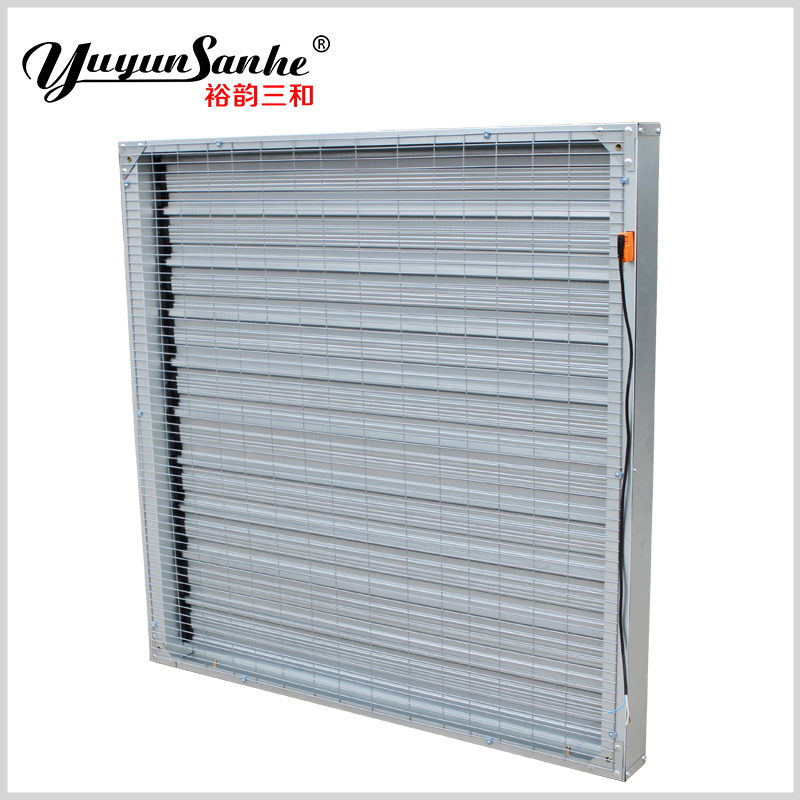
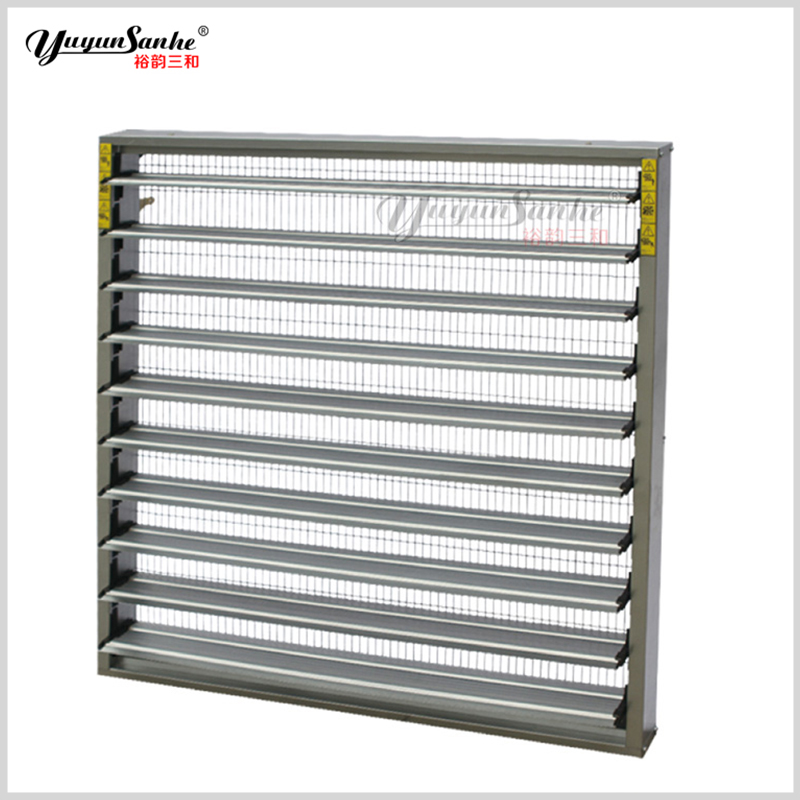
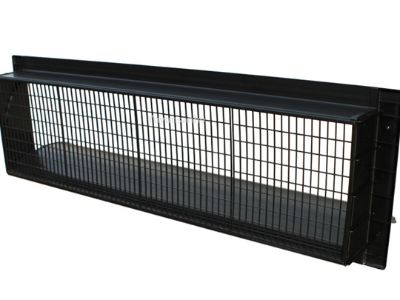
Wall ventilation louvers are essential components in various industrial and commercial applications, designed to facilitate the efficient flow of air while preventing the entry of water, debris, and pests. When selecting wall ventilation louvers, buyers often grapple with concerns such as material durability, energy efficiency, and installation requirements. This article aims to provide practical insights into choosing the right wall ventilation louvers, understanding their specifications, installation guidance, and troubleshooting common issues.
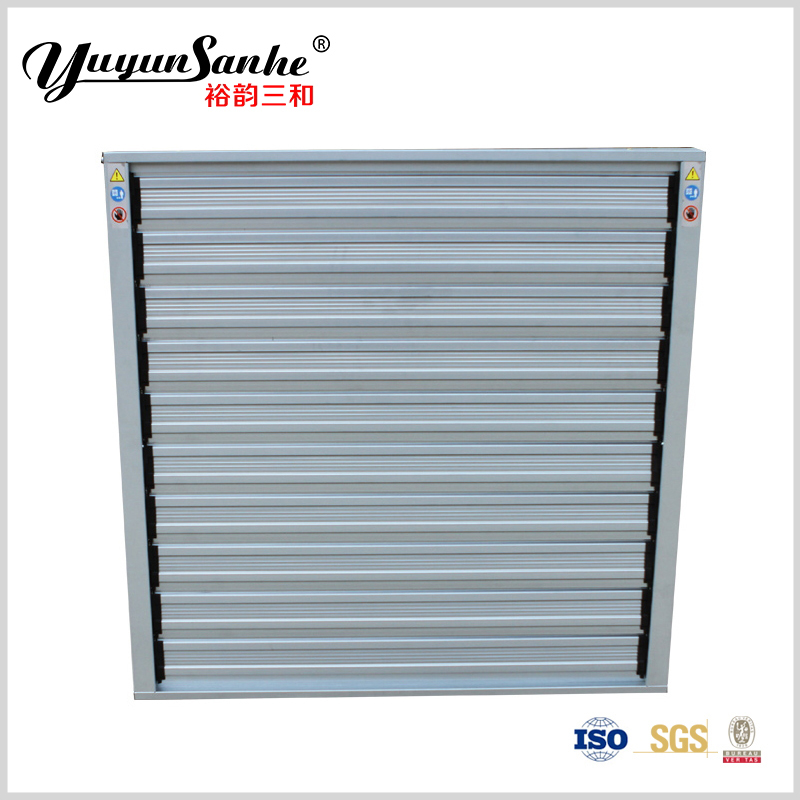
Key Specifications of Wall Ventilation Louvers for Bulk Orders
When ordering wall ventilation louvers in bulk, several specifications should be confirmed to ensure compatibility with your project requirements. Key specifications include:
Size and Dimensions: Ensure the louver dimensions fit the designated wall opening. Common sizes vary based on application needs, so provide accurate measurements during the ordering process.
Material Thickness: The thickness of the material impacts durability and resistance to environmental factors. Verify that the thickness meets the demands of your specific application.
Airflow Rate: Each louver has a specified airflow rate, typically measured in cubic feet per minute (CFM). Understanding the airflow requirements of your project will help in selecting the right louvers.
Seal Type: Check if the louvers come with any sealing options, such as weather stripping or gaskets, which can enhance energy efficiency by reducing air leakage.
Performance Ratings: Look for certification marks such as ISO9001, CE, and RoHS, which indicate compliance with international quality and safety standards. These certifications can provide reassurance regarding the product's reliability and performance.
 Sophie Dong

