
 EN
 AR
 BG
 DA
 NL
 FR
 DE
 EL
 HI
 IT
 JA
 KO
 PL
 PT
 RO
 RU
 ES
 SV
 TL
 ID
 LV
 LT
 SR
 UK
 VI
 HU
 TH
 TR
 FA
 MS
 GA
 AZ
 BN
 LA
 MN
 MY
 KK
 UZ
 KY
Understanding the nuances of sidewall exhaust fans is crucial for any business seeking to enhance ventilation and air quality in their facilities. These fans are essential components in various industrial and commercial applications, ensuring efficient airflow and temperature regulation. As a buyer, you may have concerns regarding specifications, sourcing, and cost factors. This article aims to provide valuable insights into sourcing quality sidewall exhaust fans, comparing models, and making informed purchasing decisions.
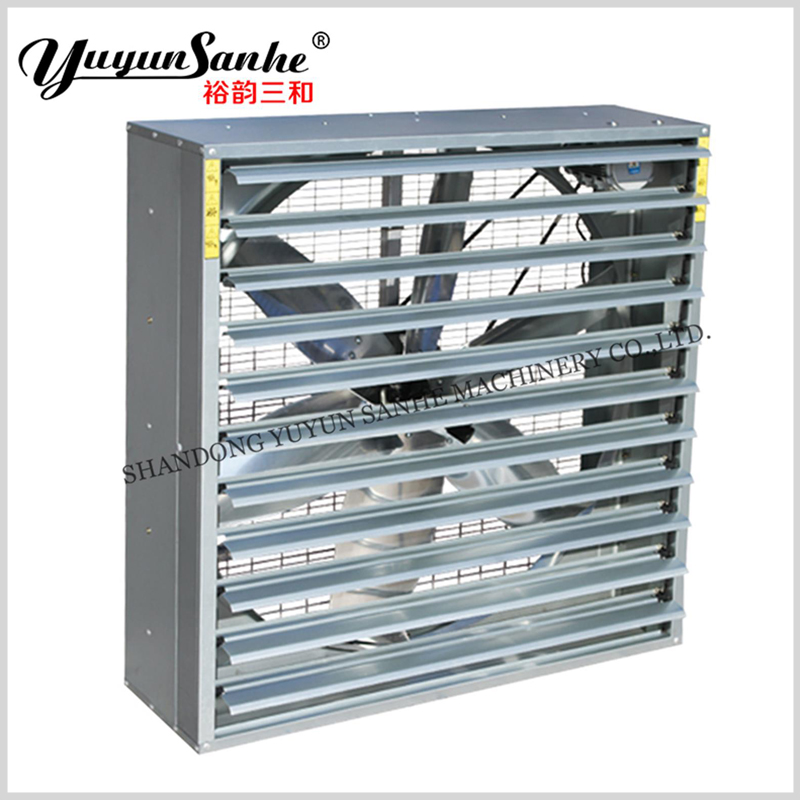
A Buying Guide
When selecting a sidewall exhaust fan, several key specifications should be taken into account:
Airflow Capacity: Measured in cubic feet per minute (CFM), this determines the volume of air the fan can move. Ensure the fan's airflow capacity matches your ventilation needs.
Motor Type: Check if the fan uses a single-phase or three-phase motor, as this affects energy efficiency and operational costs. Three-phase motors are typically more efficient for larger applications.
Construction Materials: Materials like galvanized steel, aluminum, or high-density polyethylene (HDPE) are common. Each material has specific benefits in terms of durability, chemical resistance, and weight.
Noise Level: Depending on the application, noise levels (measured in decibels) can be a concern. Look for fans designed to operate quietly if noise is a critical factor.
Energy Efficiency Ratings: Energy-efficient fans not only reduce operational costs but can also be crucial for meeting environmental regulations.
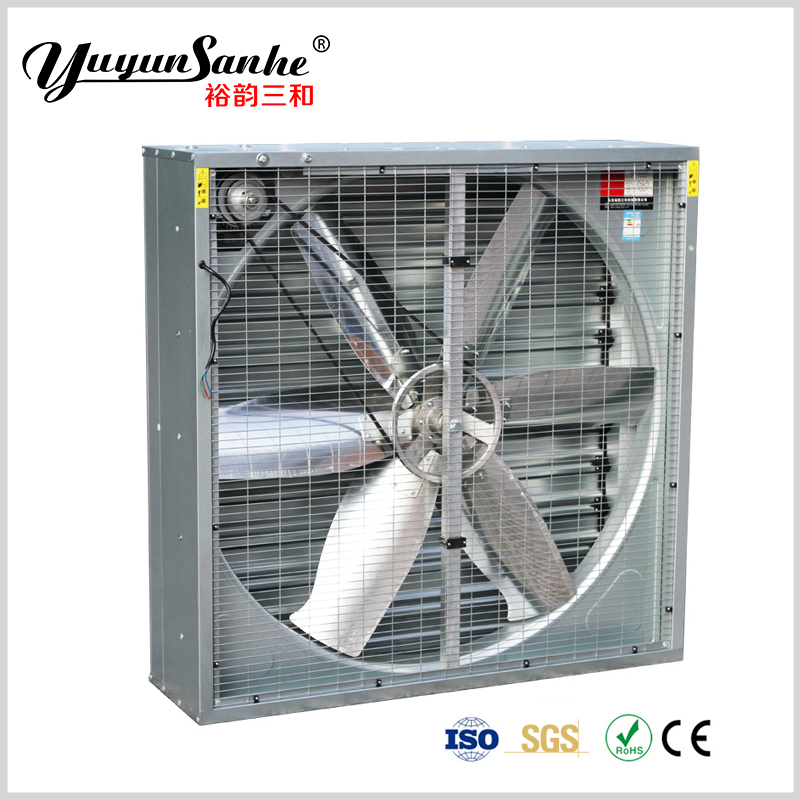
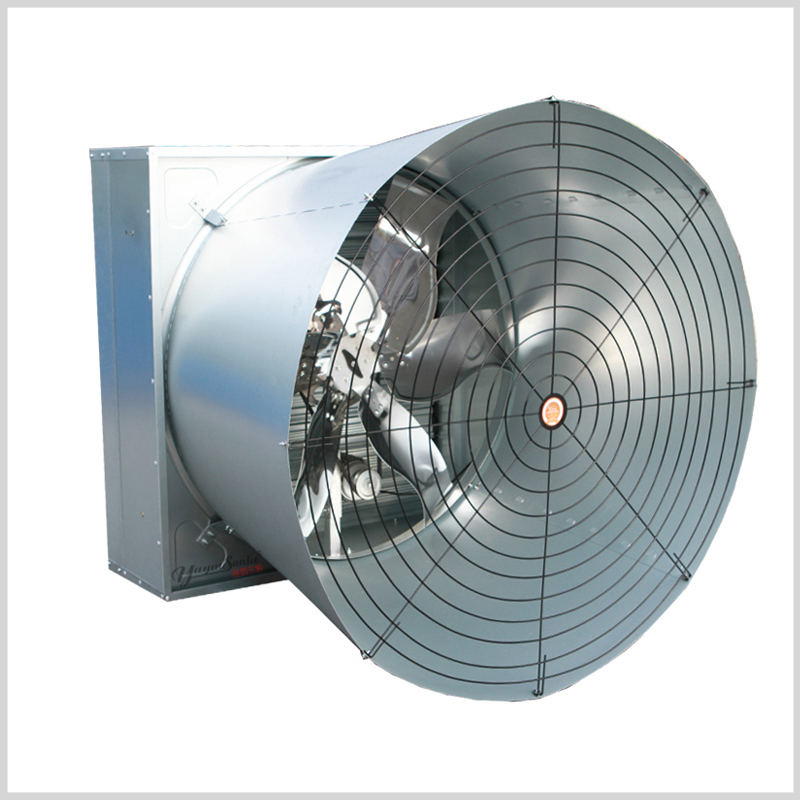
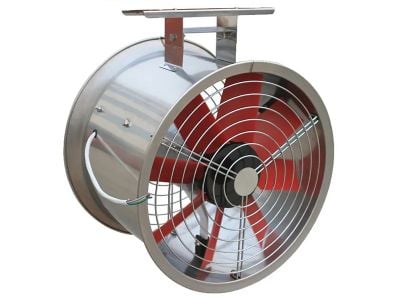
These factors are essential for ensuring that the selected sidewall exhaust fan meets the specific operational requirements of your facility, including options like the High Efficiency Direct Drive Butterfly Cone Exhaust Fan with EC Motor / AC Motor.


 Sophie Dong

