Key Specifications for Water Storage Tanks

All Categories

Water storage tanks

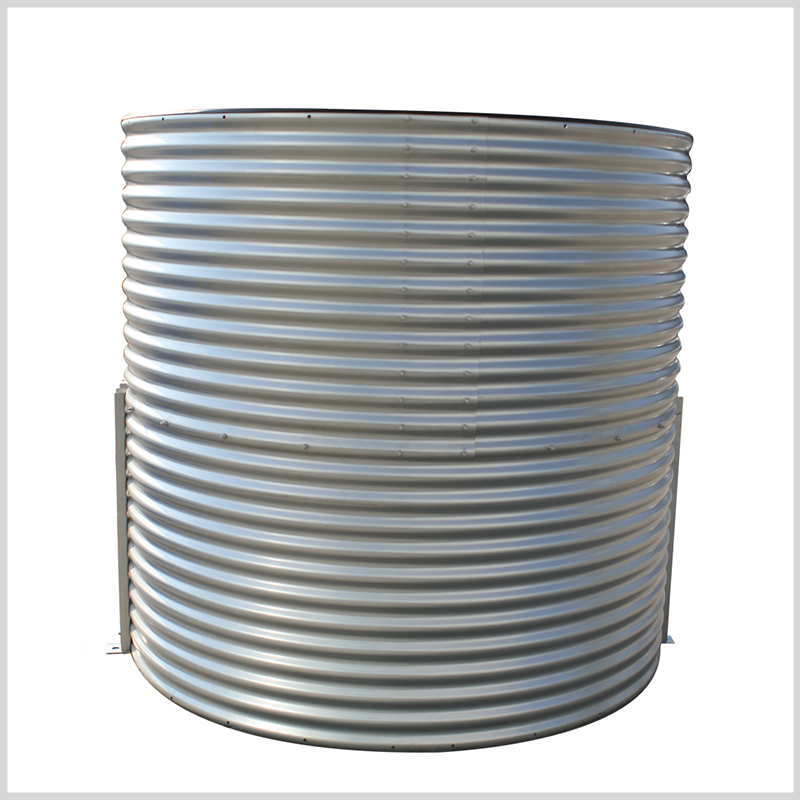
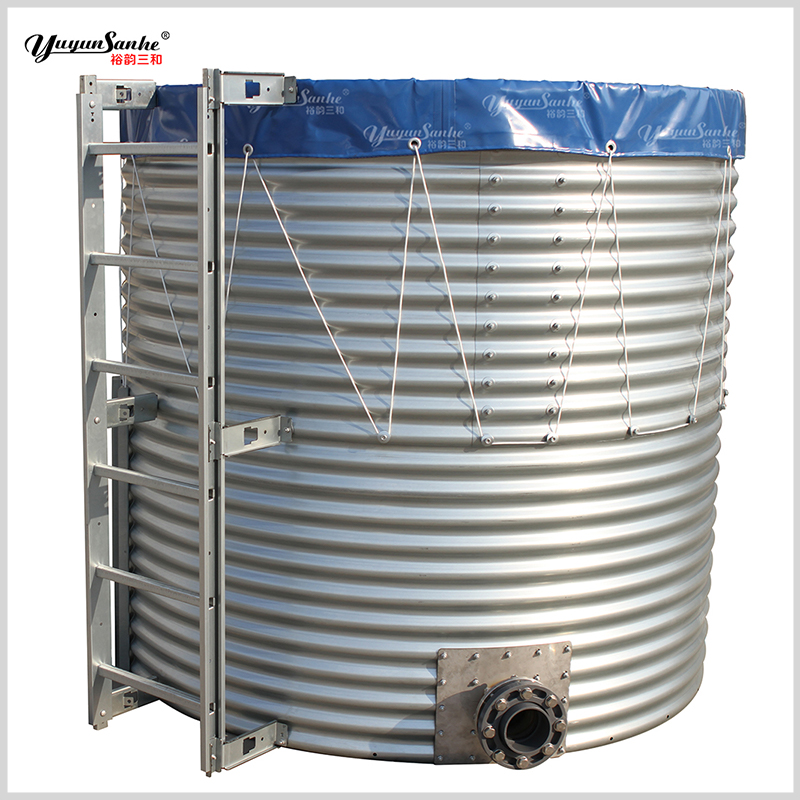
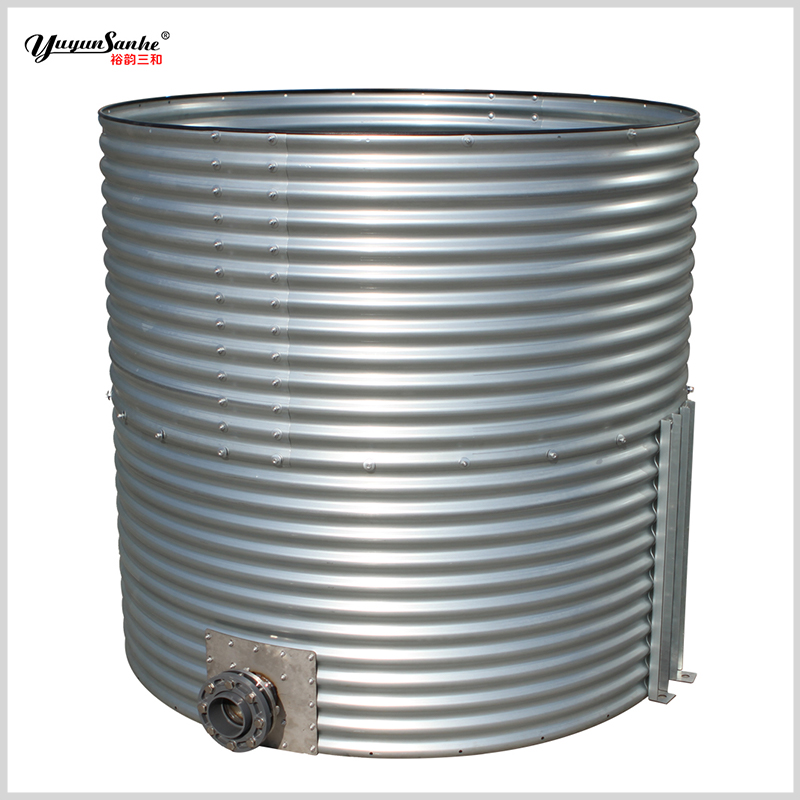
Water storage tanks are essential components in various industries, designed to store water for different applications, from agricultural irrigation to industrial processes. When selecting the right tank, buyers often face concerns about material durability, capacity, and cost-effectiveness. This breeding equipment water storage tanks article will explore the critical specifications to evaluate, identify reliable suppliers, discuss cost factors, outline applications across industries, and detail the advantages of different materials used in water storage tanks. 

Choosing a reliable supplier

Choosing a reliable supplier

Choosing a reliable supplier is paramount in ensuring that the water storage tanks meet quality and performance standards. Look for manufacturers with a proven track record, such as Shandong Yuyun Sanhe Machinery Co., Ltd., which water storage tanks boasts over 20 years of experience in producing high-quality storage solutions. 

Key factors to consider when evaluating suppliers include: 

Certifications: Suppliers should have relevant certifications, ensuring compliance with industry standards. Certifications like ISO9001 and CE indicate adherence to quality control protocols. 

Manufacturing Capabilities: Assess the supplier's production capacity and facilities. A manufacturer with advanced machinery is likely to deliver consistent product quality. 

Customization Options: Determine if the supplier can customize tank designs to fit specific requirements, such as size or material. This chicken nipple drinker flexibility can be crucial for unique applications. 

Reputation and Reviews: Research customer feedback and case studies to gauge the reliability and service quality of potential suppliers. 
The cost of water storage tanks

The cost of water storage tanks

The cost of water storage tanks can vary widely based on several factors. Understanding these factors can help buyers budget effectively: 

Material Type: Different materials come with varying costs. For example, polyethylene tanks are generally less expensive than stainless steel options, poultry feeding system but they may not provide the same level of durability. 

Tank Size and Capacity: Larger tanks require more materials and resources to manufacture, which drives up costs. Buyers should balance their needs against budget constraints. 

Customization Requirements: Custom modifications can significantly increase the price. Buyers should clearly define their requirements to avoid unexpected costs. 

Shipping and Handling: Consider the shipping costs associated with transporting the tank to its final location. This can vary based on distance and the tank's weight. 

Installation Costs: Don't overlook installation expenses. Some tanks may require professional installation, which should be included in the overall budget. 

Water storage tanks serve a multitude of applications

Water storage tanks serve a multitude of applications

Water storage tanks serve a multitude of applications across different sectors, including: 

Agriculture: Farmers use large storage tanks for irrigation and livestock watering, ensuring a consistent water supply during dry seasons. 

Construction: Construction sites often require temporary water storage for mixing concrete and other purposes. 

Industrial: Manufacturers rely on water storage tanks for cooling processes, providing essential water for machinery operations. 

Residential: Homeowners utilize water tanks for rainwater harvesting, ensuring a sustainable water supply for household use. 

The choice of material significantly impacts

The choice of material significantly impacts the performance and longevity of water storage tanks. Each material comes with distinct advantages: 

Polyethylene: Lightweight and resistant to corrosion, polyethylene tanks are ideal for outdoor applications where exposure to elements is a concern. They are also water storage tanks relatively easy to install and maintain. 

Fiberglass: Known for their strength and resistance to chemicals, fiberglass tanks are suitable for industrial applications where chemical exposure is a factor. They are also lightweight and can be molded into various shapes. 

Stainless Steel: These tanks offer exceptional durability and resistance to extreme temperatures and pressure. They are ideal for applications requiring high standards of hygiene, such as food processing and pharmaceuticals. 

Frequently Asked Questions

What sizes of water storage tanks do you offer?

We offer multiple capacities and custom sizes produced in our 30,000 sqm factory. Contact us with required volume and dimensions for a tailored quote.
Our tanks are manufactured from durable materials selected for food-safe and corrosion resistance, meeting strict quality control and certification standards.
Yes. Our manufacturing follows strict QC and our products hold ISO9001 and applicable certifications to ensure reliability and safety.
Yes. With professional R&D we customize tank features, fittings, and integration to suit breeding, climate control, or farm system requirements.
Typical lead time varies by order size; we export to over 70 countries. Provide order details for an accurate lead time and shipping quote.

Our Blog Posts

What to Consider When Choosing an Industrial Ventilation Fan?

23

Oct

What to Consider When Choosing an Industrial Ventilation Fan?

When selecting an industrial fan for your industrial space, there are a number of things to consider in order to ensure you get the correct one. The YuyunSanHe industrial exhaust fans are a good option, and this is what we like about them.&...
View More
The Latest Trends in Air Inlet Manufacturing Technology

15

Dec

The Latest Trends in Air Inlet Manufacturing Technology

The production technology of air inlet is getting better and better, and new trends are constantly emerging in the industry to improve efficiency. As a industrials manufacturing leader, YuyunSanhe is the pioneering company in providing air inlet prod...
View More
How Feed Silos Reduce Labor Costs in Feeding Operations

18

Dec

How Feed Silos Reduce Labor Costs in Feeding Operations

Livestock feeding can be labor-intensive and costly. However, YuyunSanhe’s feed silos can significantly reduce on human wage, as they can store more feeds at a go in a secure and well-organized manner. The silos allow for easy and quick feed unloadin...
View More
How Evaporative Cooling Pads Reduce Operational Costs for Poultry Farms

22

Apr

How Evaporative Cooling Pads Reduce Operational Costs for Poultry Farms

The most important factor is to ensure poultry are kept cool and happy, particularly in warm temperatures. One form of cooling is using evaporative cooling pads, these are specific materials which cools the air as water passes through them, which can...
View More

Get In Touch

Sophie Dong
Lorna Gao