
 EN
 AR
 BG
 DA
 NL
 FR
 DE
 EL
 HI
 IT
 JA
 KO
 PL
 PT
 RO
 RU
 ES
 SV
 TL
 ID
 LV
 LT
 SR
 UK
 VI
 HU
 TH
 TR
 FA
 MS
 GA
 AZ
 BN
 LA
 MN
 MY
 KK
 UZ
 KY
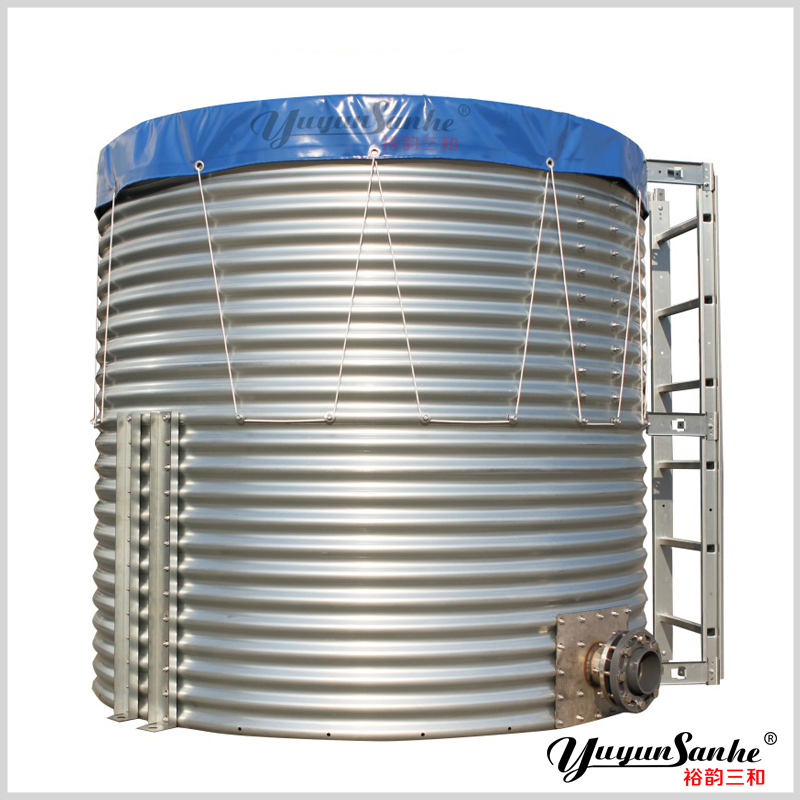
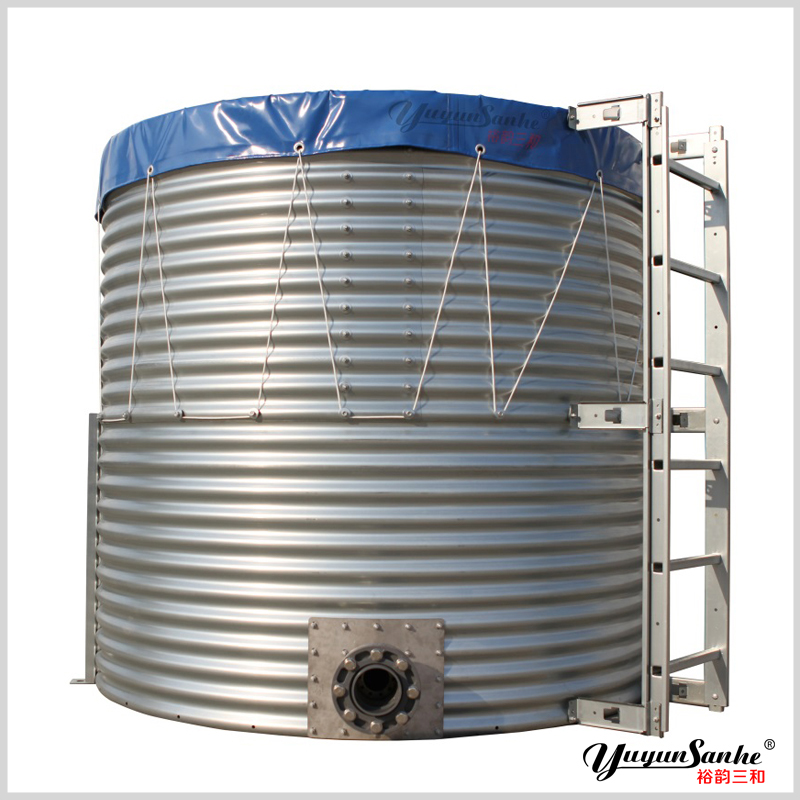
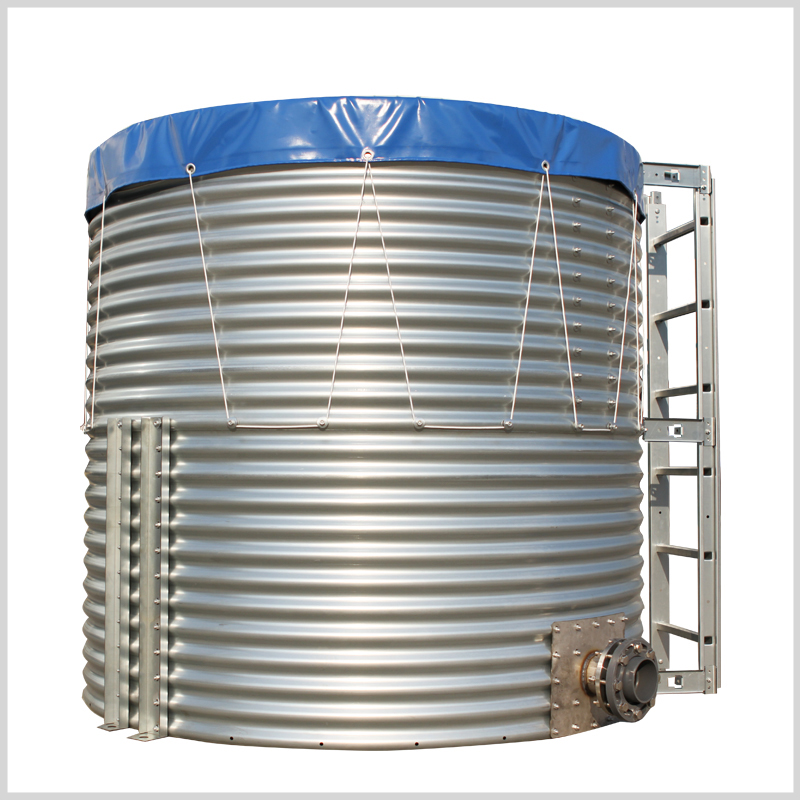
Water collection tanks are essential components in various applications, including agricultural, commercial, and industrial settings. These breeding equipment tanks are designed to collect and store rainwater or runoff, providing a sustainable water supply for irrigation, cooling systems, or other uses. For purchasing managers, engineers, and project managers, selecting the right water collection tank can be a crucial decision that impacts project costs, efficiency, and resource management. This water collection tanks article will guide you through key considerations when choosing a water collection tank, including specifications, cost factors, installation, and common issues.


When evaluating water collection tanks
When evaluating water collection tanks, focus on the following specifications:
Dimensions: Ensure the tank fits the intended space and meets your volume requirements. Take into account height, width, and depth, especially poultry feeding equipment if the tank will be installed in a confined area.
Wall Thickness: Thicker walls can provide greater durability and resistance to environmental factors, such as UV exposure and temperature fluctuations. This water collection tanks is particularly relevant for tanks that will be exposed to direct sunlight.
Sealing Mechanisms: Proper sealing is essential to prevent leaks. Look for tanks with high-quality gaskets and seals, ensuring they can maintain water integrity over time.
Access Ports and Inlets: Ensure the tank has appropriate access ports for maintenance and cleaning. Inlets should be designed to minimize debris entry and maintain water quality.
 Sophie Dong

