Choosing the Right Wall Ventilation Louvers

All Categories

wall ventilation louvers

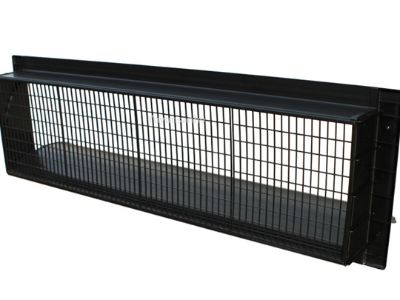
Wall ventilation louvers are essential components in various industrial and commercial applications, designed to facilitate the efficient flow of air while preventing the entry of water, debris, and pests. When selecting wall ventilation louvers, buyers often grapple with concerns such as material durability, energy efficiency, and installation requirements. This article aims to provide practical insights into choosing the right wall ventilation louvers, understanding their specifications, installation guidance, and troubleshooting common issues.
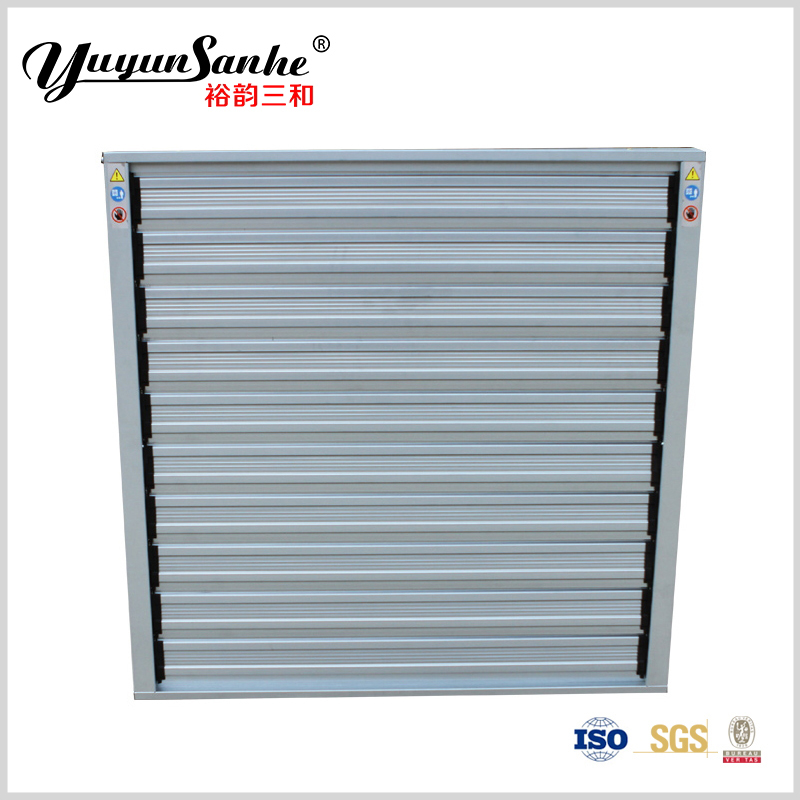
Key Specifications of Wall Ventilation Louvers for Bulk Orders

Key Specifications of Wall Ventilation Louvers for Bulk Orders

When ordering wall ventilation louvers in bulk, several specifications should be confirmed to ensure compatibility with your project requirements. Key specifications include:

Size and Dimensions: Ensure the louver dimensions fit the designated wall opening. Common sizes vary based on application needs, so provide accurate measurements during the ordering process.

Material Thickness: The thickness of the material impacts durability and resistance to environmental factors. Verify that the thickness meets the demands of your specific application.

Airflow Rate: Each louver has a specified airflow rate, typically measured in cubic feet per minute (CFM). Understanding the airflow requirements of your project will help in selecting the right louvers.

Seal Type: Check if the louvers come with any sealing options, such as weather stripping or gaskets, which can enhance energy efficiency by reducing air leakage.

Performance Ratings: Look for certification marks such as ISO9001, CE, and RoHS, which indicate compliance with international quality and safety standards. These certifications can provide reassurance regarding the product's reliability and performance.
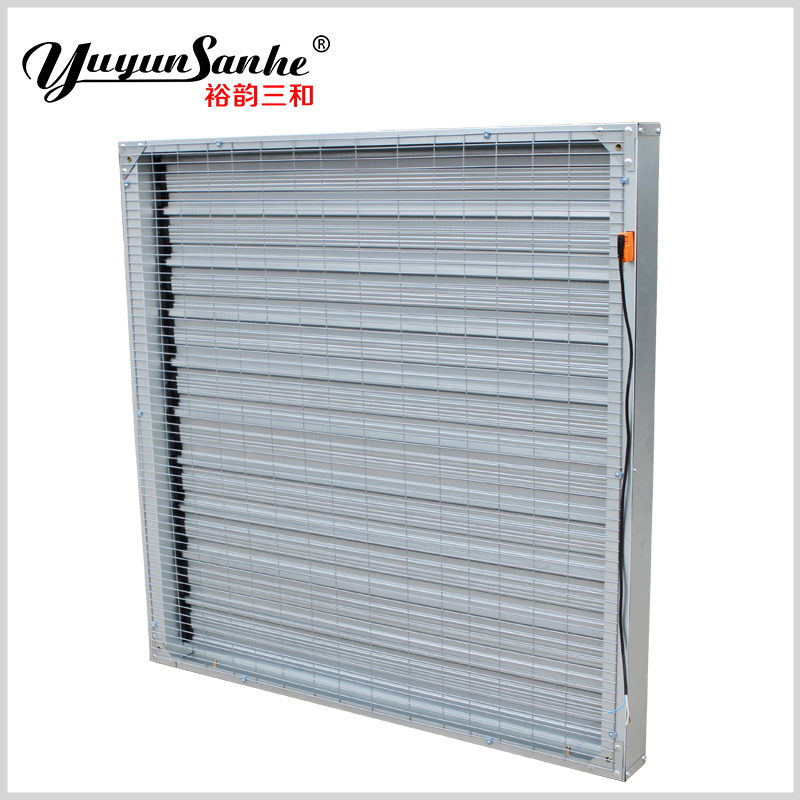
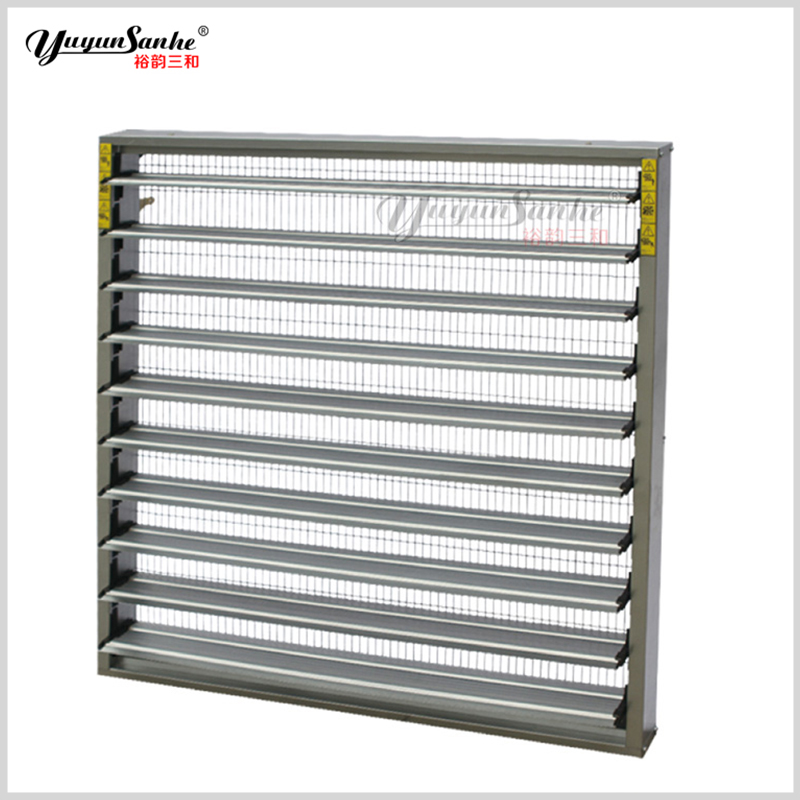
What to Look for in Wall Ventilation Louvers

What to Look for in Wall Ventilation Louvers

When evaluating wall ventilation louvers, focus on several critical factors:

Durability: Assess the longevity of the materials used. For instance, aluminum offers excellent resistance to corrosion, making it ideal for outdoor applications. In contrast, galvanized steel may require additional coatings for extended exposure to moisture.

Installation Requirements: Understand the installation process and whether any specialized tools or skills are needed. Some louvers may come with installation guides, while others may require professional assistance.

Maintenance Needs: Consider the maintenance involved with the louvers. Some designs may accumulate debris and require regular cleaning, while others are designed to minimize maintenance efforts. Incorporating equipment such as High Efficiency Direct Drive Butterfly Cone Exhaust Fan with EC Motor / AC Motor can also play a role in ensuring effective ventilation.

Customization Options: If your project has unique specifications, inquire about customization capabilities. Manufacturers like Shandong Yuyun Sanhe Machinery Co., Ltd. can often tailor products to meet specific requirements, enhancing performance in your application.

Installation Guidance for Efficient Wall Ventilation Louvers

Installation Guidance for Efficient Wall Ventilation Louvers

Proper installation is crucial for optimal performance of wall ventilation louvers. Here are some best practices:

Pre-Installation Inspection: Before installation, inspect the wall opening for any irregularities or obstructions. Ensure the opening is clean and free from debris.

Follow Manufacturer Guidelines: Always consult the manufacturer’s installation instructions. Different louver designs may have specific requirements for mounting and sealing.

Use Suitable Fasteners: Select fasteners that are compatible with the louver material. Corrosion-resistant screws are recommended for outdoor installations to prevent rust and degradation.

Check for Level and Alignment: During installation, ensure the louvers are level and properly aligned. Misalignment can lead to airflow restrictions and impact performance.

Seal All Edges: Use weatherproof sealants to seal edges and joints. This step is vital for preventing air leaks and ensuring energy efficiency.

Common Problems with Wall Ventilation Louvers and Their Solutions

Despite their robust design, wall ventilation louvers may encounter several common issues. Here are some problems and their potential solutions:

Airflow Restrictions: Accumulation of dirt and debris can restrict airflow. Regular maintenance, including cleaning the louvers, is essential to maintain optimal performance.

Water Infiltration: If water enters through the louvers, check the sealing and ensure that the installation angle is correct. Adjusting the angle of the louvers can often mitigate this issue.

Noise Issues: Louvers can sometimes create noise when wind passes through them. Consider acoustic baffles or sound-absorbing materials if noise becomes a concern in sensitive environments.

Corrosion: For metal louvers, corrosion can be a significant issue, especially in harsh environments. Regular inspections and the application of protective coatings can help extend the lifespan of the louvers.

By understanding the specifications and installation practices of wall ventilation louvers, buyers can make informed decisions that enhance air quality and energy efficiency in their projects. Additionally, integrating systems like Poultry Equipment can further optimize airflow management.

Frequently Asked Questions

What are wall ventilation louvers used for?

Wall ventilation louvers control airflow, prevent rain ingress, and allow exhaust or fresh air exchange in industrial, agricultural, and commercial buildings.
Our louvers are made from durable materials like galvanized steel or aluminum, chosen for corrosion resistance and long service life in ventilation systems.
Yes. We provide custom sizes, blade configurations, and finishes to fit specific wall openings and airflow requirements from our in-house RD team.
Products are made in our 30,000 sqm factory under strict quality control and hold ISO9001, CE, and RoHS certifications.
Contact our sales team with required dimensions and application details. We provide technical guidance, quotes, and after-sales support for installation and maintenance.

Our Blog Posts

Professional Manufacturer of Evaporative Cooling Pads in China

02

Oct

Professional Manufacturer of Evaporative Cooling Pads in China

Are you searching for an excellent way to maintain the coolness of your space? Then take a look at the brand-new cooling pads from this Chinese-owned company named YuyunSanhe. These will help to provide a comfortable and more refreshing atm...
View More
The Role of Environmental Control Systems in Modern Greenhouse Equipment

25

Nov

The Role of Environmental Control Systems in Modern Greenhouse Equipment

Greenhouses are houses you build specially to let plants grow better. YuyunSanhe greenhouse air circulation fan shield plants from excessive heat, cold and pests. To ensure plants inside a greenhouse thrive, we must systematically dial ever...
View More
How to Equip a Greenhouse for Organic Vegetable Production

27

Nov

How to Equip a Greenhouse for Organic Vegetable Production

When you design a greenhouse for growing organic vegetables, you want to be sure you get everything just right so that you can grow healthy plants. Here are some of the things you need, and some tips, for getting and keeping your greenhouse in the ri...
View More
Why Automated Poultry Farm Equipment Improves Productivity?

07

Feb

Why Automated Poultry Farm Equipment Improves Productivity?

Automated poultry farm equipment is really changing how farmers doing their work. With machines help, farmers can look after chickens much easier and faster way. This tech save time and also money. For example, automatic feeders give food to the bird...
View More

Get In Touch

Sophie Dong
Lorna Gao