
 EN
 AR
 BG
 DA
 NL
 FR
 DE
 EL
 HI
 IT
 JA
 KO
 PL
 PT
 RO
 RU
 ES
 SV
 TL
 ID
 LV
 LT
 SR
 UK
 VI
 HU
 TH
 TR
 FA
 MS
 GA
 AZ
 BN
 LA
 MN
 MY
 KK
 UZ
 KY
Ceiling-mounted ventilation fans are essential components in various industrial and commercial settings, providing effective air circulation and temperature control. As a B2B buyer—whether you're a purchasing manager, engineer, or product manager—understanding the specifics of ventilation fan ceiling mounted models is crucial. This article will help you navigate your options by outlining key specifications, common problems, benefits, and various applications of these fans, allowing you to make informed purchasing decisions.
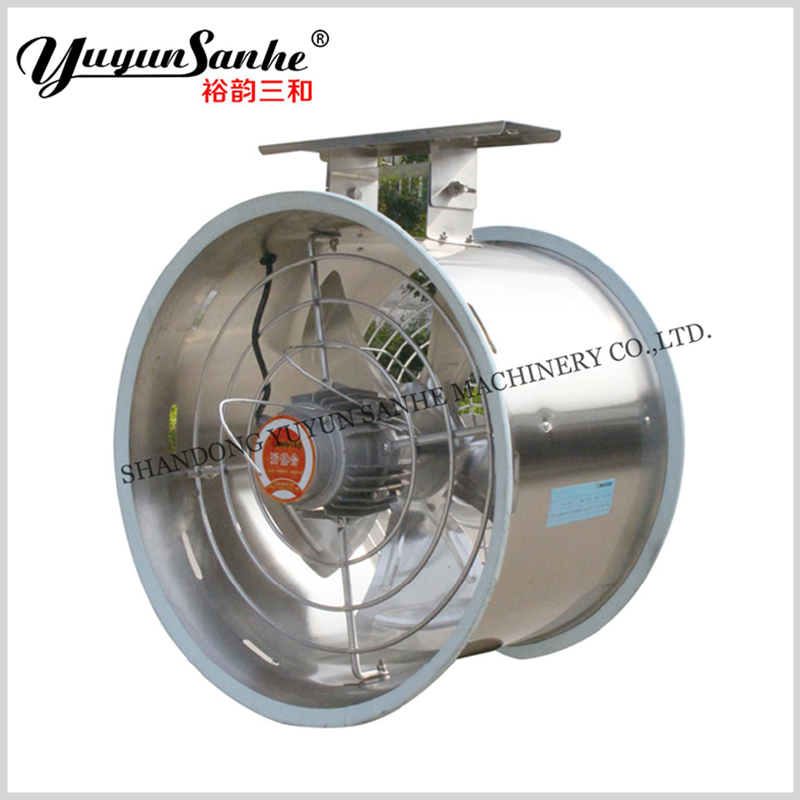
Key Specifications to Evaluate for Ceiling-Mounted Ventilation Fans
When evaluating ceiling-mounted ventilation fans, pay attention to several key specifications:
Airflow Capacity: Measured in CFM, this indicates the volume of air the fan can move. A higher CFM is beneficial for larger spaces or those requiring enhanced ventilation.
Static Pressure Rating: This specification reflects the fan's ability to overcome resistance in the air system. Ensure that the fan can maintain adequate performance under your specific installation conditions.
Noise Level: Typically measured in decibels (dB), a lower rating is preferable in environments where noise is a concern. Look for models reported to operate quietly.
Energy Efficiency: Look for fans that meet energy efficiency certifications, like Energy Star, which can lead to cost savings over time.
Motor Type: Fans with high-efficiency motors (like EC motors) can provide better performance while consuming less energy.
Durability and Material: Consider the materials used in construction, as these will affect the fan's longevity. Corrosion-resistant materials are vital for humid or chemically rich environments.
By thoroughly assessing these specifications, you can ensure the selected fan meets your operational requirements and provides lasting performance.

 Sophie Dong

