Quality Sidewall Exhaust Fans for Bulk Orders

All Categories

sidewall exhaust fan

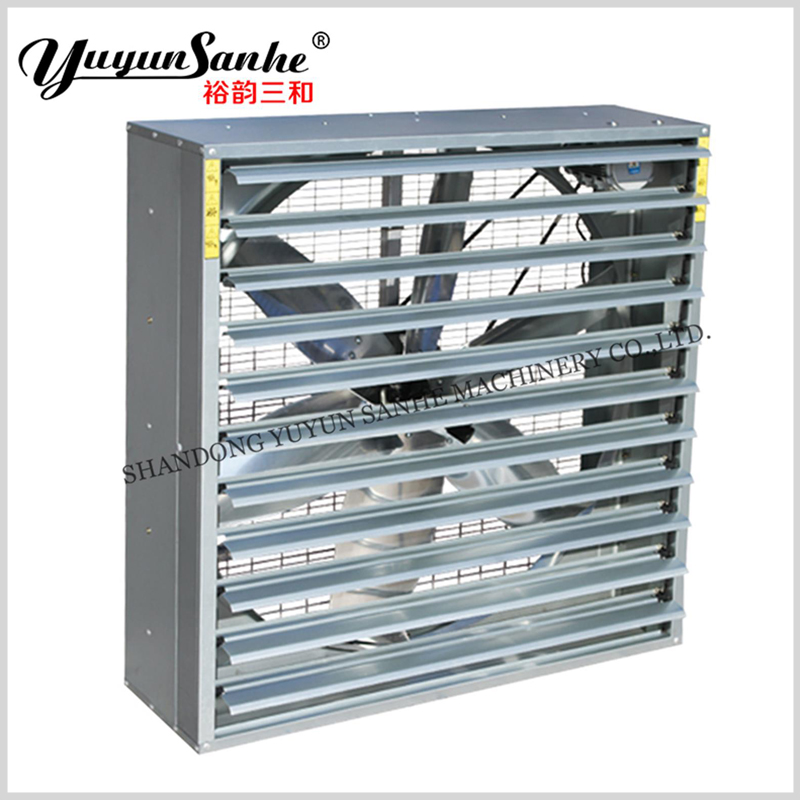
Understanding the nuances of sidewall exhaust fans is crucial for any business seeking to enhance ventilation and air quality in their facilities. These fans are essential components in various industrial and commercial applications, ensuring efficient airflow and temperature regulation. As a buyer, you may have concerns regarding specifications, sourcing, and cost factors. This article aims to provide valuable insights into sourcing quality sidewall exhaust fans, comparing models, and making informed purchasing decisions.
A Buying Guide

A Buying Guide

When selecting a sidewall exhaust fan, several key specifications should be taken into account:

Airflow Capacity: Measured in cubic feet per minute (CFM), this determines the volume of air the fan can move. Ensure the fan's airflow capacity matches your ventilation needs.

Motor Type: Check if the fan uses a single-phase or three-phase motor, as this affects energy efficiency and operational costs. Three-phase motors are typically more efficient for larger applications.

Construction Materials: Materials like galvanized steel, aluminum, or high-density polyethylene (HDPE) are common. Each material has specific benefits in terms of durability, chemical resistance, and weight.

Noise Level: Depending on the application, noise levels (measured in decibels) can be a concern. Look for fans designed to operate quietly if noise is a critical factor.

Energy Efficiency Ratings: Energy-efficient fans not only reduce operational costs but can also be crucial for meeting environmental regulations.

These factors are essential for ensuring that the selected sidewall exhaust fan meets the specific operational requirements of your facility, including options like the High Efficiency Direct Drive Butterfly Cone Exhaust Fan with EC Motor / AC Motor.
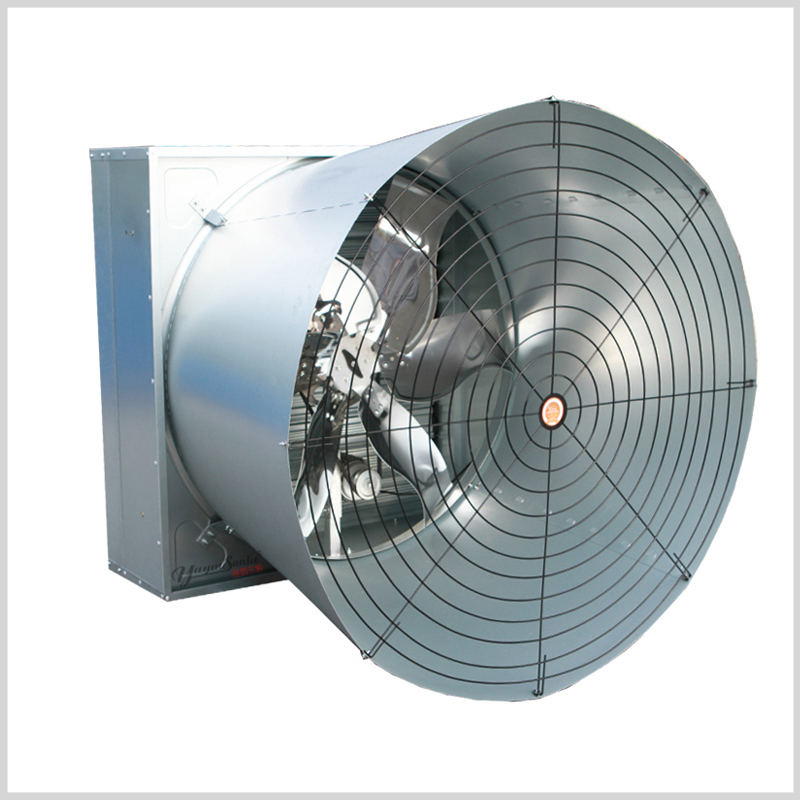
Cost Factors to Consider When Purchasing Sidewall Exhaust Fans

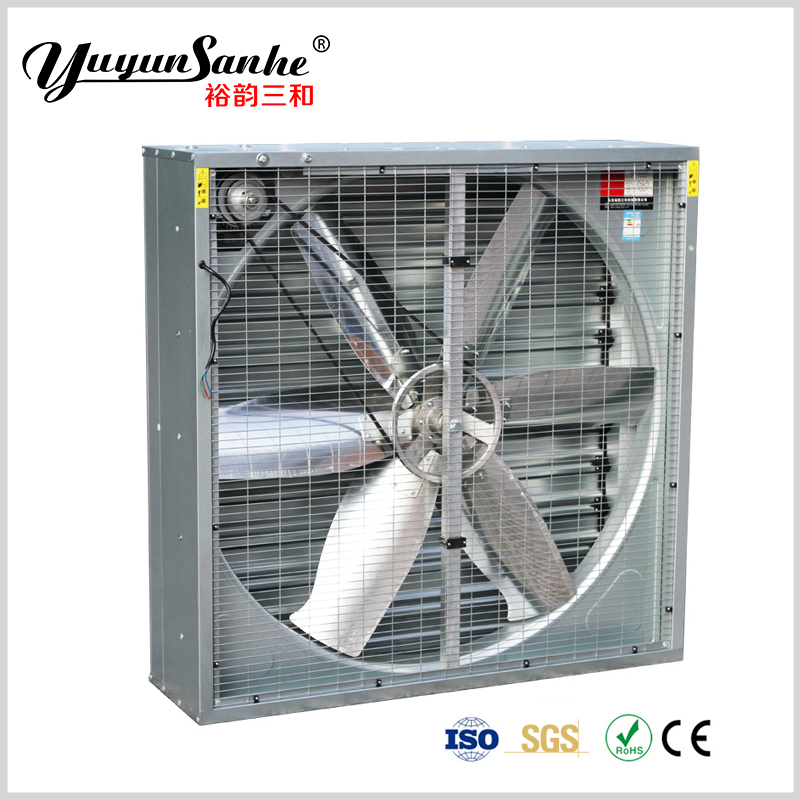
Cost Factors to Consider When Purchasing Sidewall Exhaust Fans

Understanding the cost structure when purchasing sidewall exhaust fans is crucial for budget planning. Key factors influencing the overall cost include:

Material Selection: The choice of materials directly impacts the fan's durability and price. For example, stainless steel options may be more expensive but offer better resistance to corrosion.

Customization Requirements: Custom features such as specific dimensions, motor types, or additional controls can increase the base price. Be prepared to discuss your specific needs with the manufacturer, including possible Poultry Equipment that may be needed for your setup.

Volume of Order: Bulk orders typically come with discounts. Understanding the minimum order quantity (MOQ) can help in negotiating better pricing.

Shipping and Handling: Consider the logistics involved in transporting the fans. Shipping costs may vary based on destination, weight, and dimensions.

Warranty and Support: A robust warranty and post-sale support can add value, mitigating long-term operational costs associated with maintenance or replacements.

By evaluating these factors, buyers can make more informed financial decisions regarding their purchases.

How to Compare Different Sidewall Exhaust Fan Models Effectively

How to Compare Different Sidewall Exhaust Fan Models Effectively

When comparing different models of sidewall exhaust fans, it's essential to establish a clear evaluation framework. Here are some steps to effectively compare models:

Create a Specification Sheet: Document key specifications for each model, including airflow capacity, motor type, noise level, and materials used.

Request Samples: If possible, request samples from manufacturers to assess build quality and performance under actual operating conditions. This will help you identify any potential issues before mass production.

Review Energy Efficiency: Compare the energy ratings of different models. Higher energy efficiency can result in significant cost savings over time.

Consult with Technical Experts: Engage your engineering team or a ventilation specialist to help evaluate which fan models best meet your facility's specific requirements.

Assess After-Sales Support: Investigate the manufacturer's support services, including installation guidance, maintenance recommendations, and warranty offerings.

Taking these steps can provide a comprehensive view of the options available, enabling you to select the most suitable sidewall exhaust fan for your needs.

Wholesale Purchasing Tips for Sidewall Exhaust Fans and Accessories

When purchasing sidewall exhaust fans and their accessories wholesale, consider the following tips to streamline the process:

Establish Clear Communication: Clearly outline your requirements, including specifications, quantities, and delivery timelines, when discussing with suppliers. This will minimize misunderstandings.

Evaluate Supplier Certifications: Ensure that the manufacturer holds industry-standard certifications like ISO9001 and CE, which can indicate a commitment to quality and safety in production.

Understand Lead Times: Discuss expected lead times for production and delivery. This is especially important for bulk orders to align with your project timelines.

Inspect Quality Control Processes: Inquire about the manufacturer's quality control measures to ensure that every fan meets your specifications and performance standards.

Negotiate Terms: Don’t hesitate to negotiate terms, including payment options and shipping costs. Establishing a good relationship with suppliers can lead to better terms in future orders.

By following these tips, buyers can enhance their purchasing experience and ensure they receive high-quality sidewall exhaust fans and accessories suited to their operational needs, including Water Tank solutions that may complement their ventilation systems.

In summary, understanding the complexities of purchasing sidewall exhaust fans is crucial for any B2B buyer. By focusing on specifications, cost factors, and effective comparison methods, you can ensure that your investment leads to improved ventilation and operational efficiency.

Frequently Asked Questions

What is a sidewall exhaust fan used for?

A sidewall exhaust fan removes stale air, heat, moisture and odors from buildings, livestock houses and industrial spaces to improve ventilation and air quality.
We offer multiple diameters and airflow ranges to suit different spaces. Contact us with room volume and desired ACH for a recommended model and capacity.
Our fans are manufactured under ISO9001 with CE and RoHS certifications, produced in our 30,000 sqm facility with strict R&D and quality control.
Yes. Our sidewall exhaust fans are designed for breeding and livestock environments, providing reliable ventilation and temperature control to support animal health.
We provide manufacturer warranty and technical after-sales support. Please contact our sales team with model and purchase details for warranty terms and service assistance.

Our Blog Posts

Top 4 Heavy Hammer Exhaust Fan Manufacturers In Australia

16

Jul

Top 4 Heavy Hammer Exhaust Fan Manufacturers In Australia

Choosing right exhaust fan can be tough, especialy when many companys make them. In Australia, YuyunSanhe stands out for heavy hammer exhaust fans. These fans is important in factorys and workshops. They help keep air clean and remove smoke, dust and...
View More
Why Reliable Air Inlets Are Critical for High-Performance Poultry Systems

19

Feb

Why Reliable Air Inlets Are Critical for High-Performance Poultry Systems

A very important consideration while bringing in chickens is that they must have a happy & comfortable home. Chickens, like people, require some things to stay healthy and happy. Fresh air is one of the most important items for chickens. And this is ...
View More
How Industrial Ventilation Fans Improve Airflow Efficiency?

08

Feb

How Industrial Ventilation Fans Improve Airflow Efficiency?

Industrial ventilation fans play big role to keep air moving around in factories and other work places. They make sure air stay fresh and clean mostly. When air flow good, workers feel more comfortable and stay healthy too. For example in factory wit...
View More
How to Design a Greenhouse Ventilation System for Different Climates?

09

Feb

How to Design a Greenhouse Ventilation System for Different Climates?

Creating a good greenhouse ventilation system is really important if you want grow healthy plants. The right ventilation can control temperature, humidity and also air quality inside. This matter a lot in different climates, because weather change ho...
View More

Get In Touch

Sophie Dong
Lorna Gao