
 EN
 AR
 BG
 DA
 NL
 FR
 DE
 EL
 HI
 IT
 JA
 KO
 PL
 PT
 RO
 RU
 ES
 SV
 TL
 ID
 LV
 LT
 SR
 UK
 VI
 HU
 TH
 TR
 FA
 MS
 GA
 AZ
 BN
 LA
 MN
 MY
 KK
 UZ
 KY
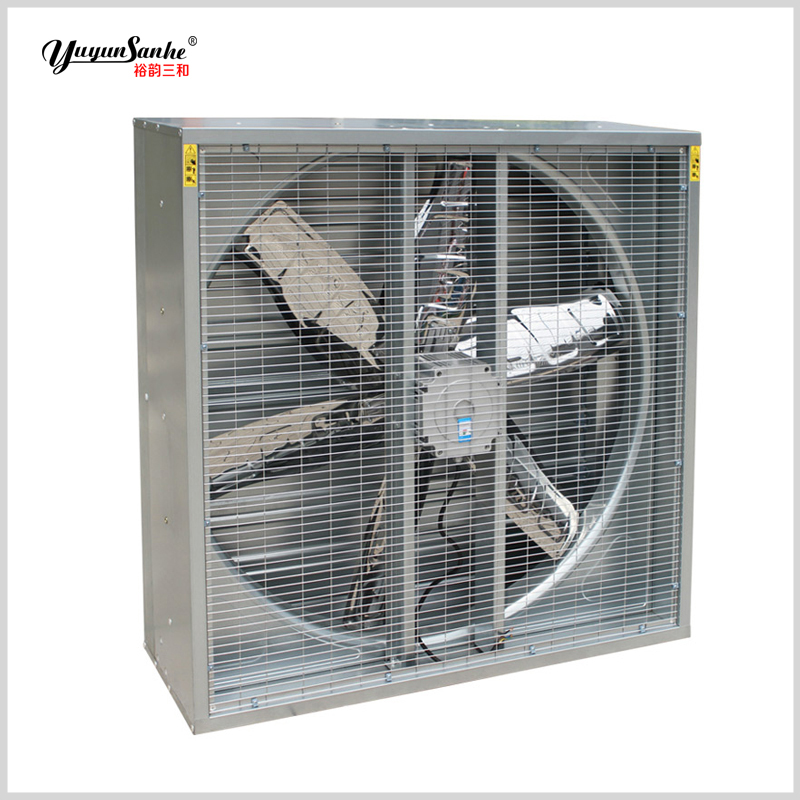
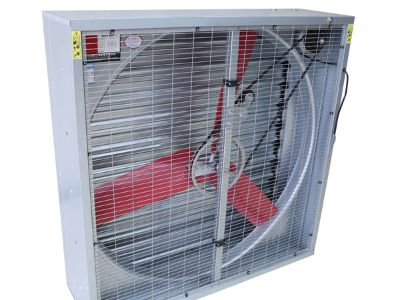
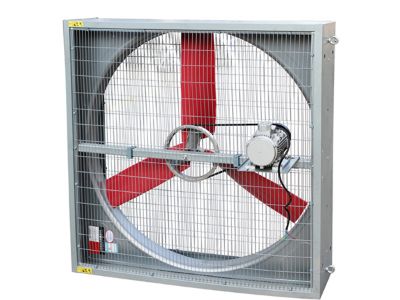
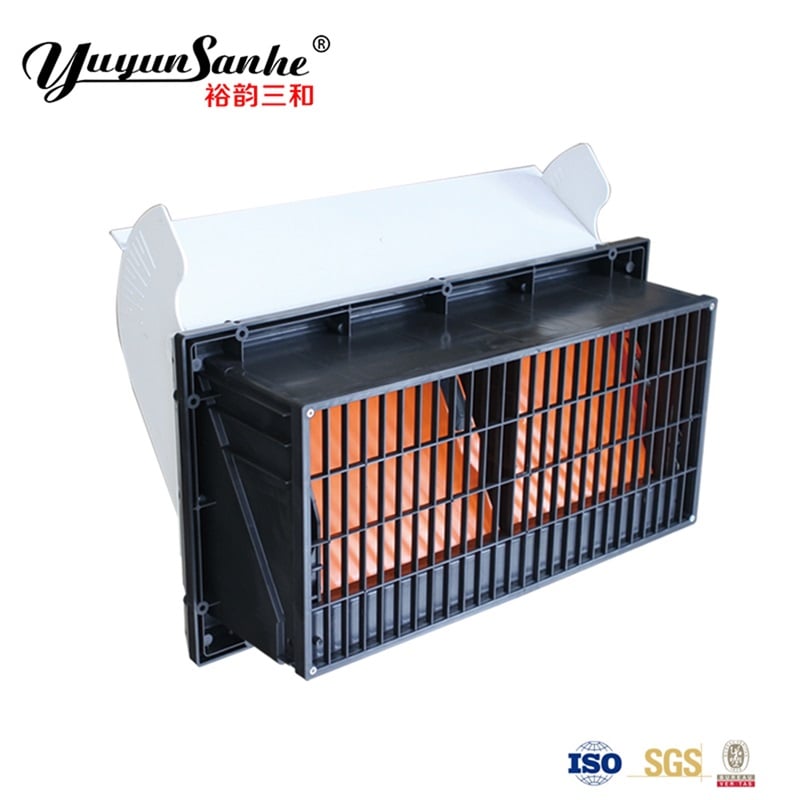
Understanding exhaust ventilators is crucial for B2B buyers involved in sourcing ventilation and climate control solutions. These exhaust ventilators devices play a vital role in maintaining air quality and temperature in various settings, from industrial plants to agricultural facilities. As a purchasing manager, engineer, or distributor, you may have concerns about product specifications, compatibility, and the overall effectiveness of the systems you choose. This exhaust ventilators article will help you navigate these considerations and empower you to make informed decisions when selecting exhaust ventilators for your projects.


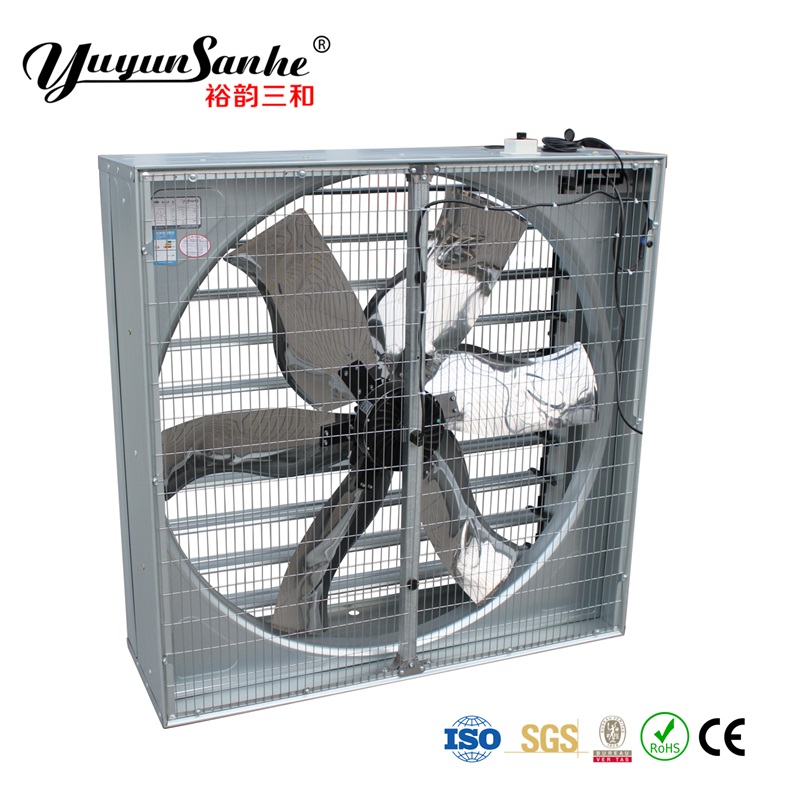
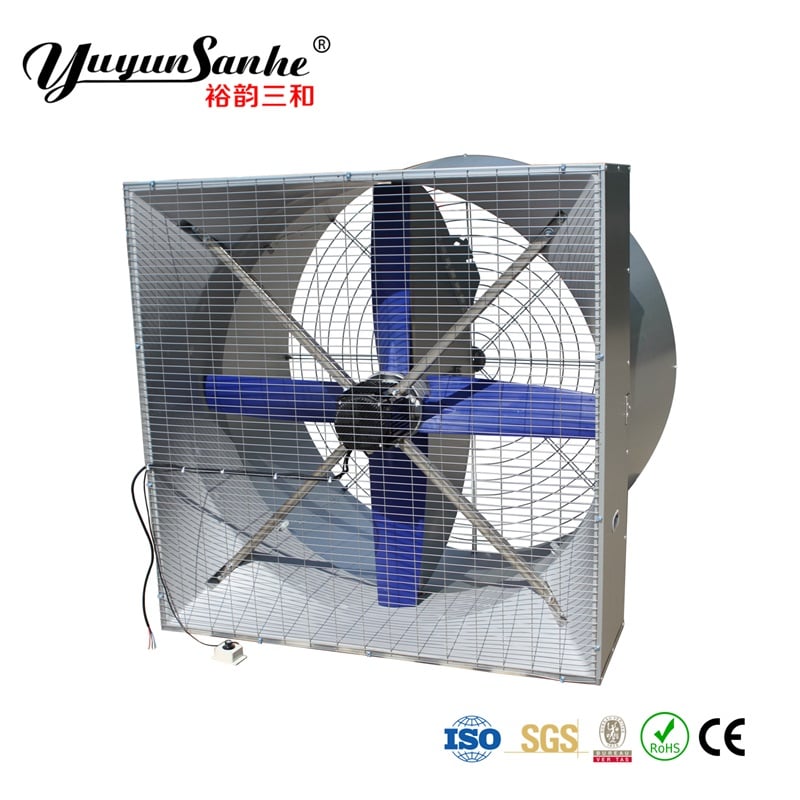
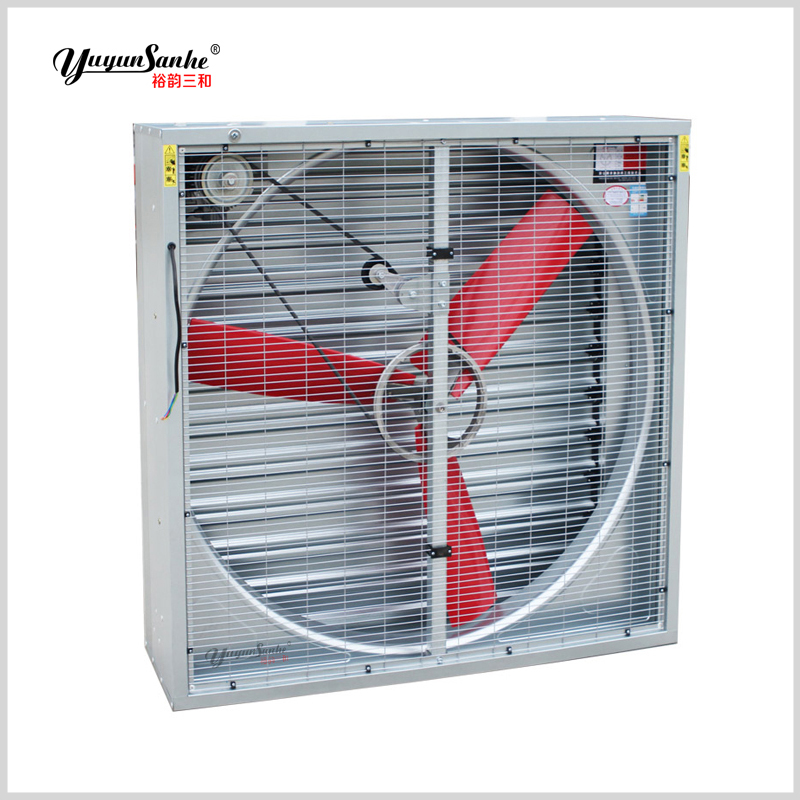
Selecting the right exhaust ventilator
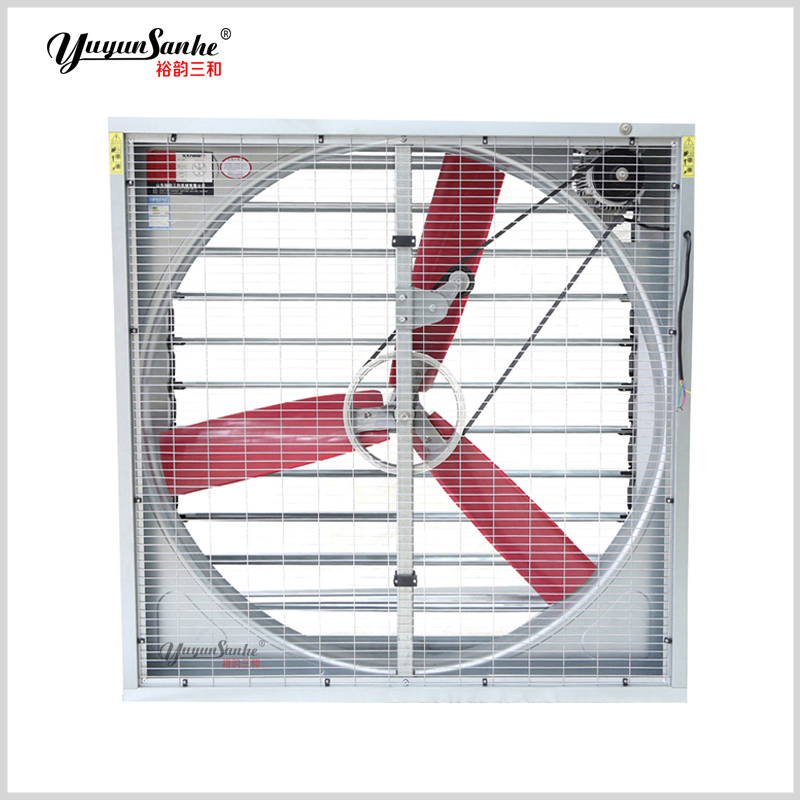
Selecting the right exhaust ventilator begins with identifying the specific requirements of your project. Consider the application environment, as different settings may require tailored solutions. For example, exhaust ventilators agricultural applications may need ventilators designed to manage high humidity levels, while industrial environments might prioritize high-capacity models for dust and fume extraction. Next, evaluate the size of the area needing ventilation. This feeding pan will help you determine the appropriate CFM and motor power necessary for effective performance. It’s also important to assess the ductwork and installation layout, as some ventilators are better suited for direct exhaust applications, while others may require complex duct systems.
Customization options can also play a significant role in the selection process. Some manufacturers, including Shandong Yuyun Sanhe Machinery Co., Ltd., offer tailored solutions that accommodate unique project specifications, such as specific dimensions or additional features like speed control and automated operation.
 Sophie Dong

