
 EN
 AR
 BG
 DA
 NL
 FR
 DE
 EL
 HI
 IT
 JA
 KO
 PL
 PT
 RO
 RU
 ES
 SV
 TL
 ID
 LV
 LT
 SR
 UK
 VI
 HU
 TH
 TR
 FA
 MS
 GA
 AZ
 BN
 LA
 MN
 MY
 KK
 UZ
 KY
Evaporative cooling pads for greenhouses are essential components for maintaining optimal temperatures and humidity levels in agricultural environments. These pads work by utilizing the natural process of evaporation to cool air before it enters the greenhouse, promoting a conducive atmosphere for plant growth. For buyers, critical concerns include product efficiency, material durability, and the overall effectiveness of the cooling system. This article will provide insights into the advantages of evaporative cooling pads, key specifications to consider, methods for evaluating quality, installation tips, and common challenges along with their solutions.
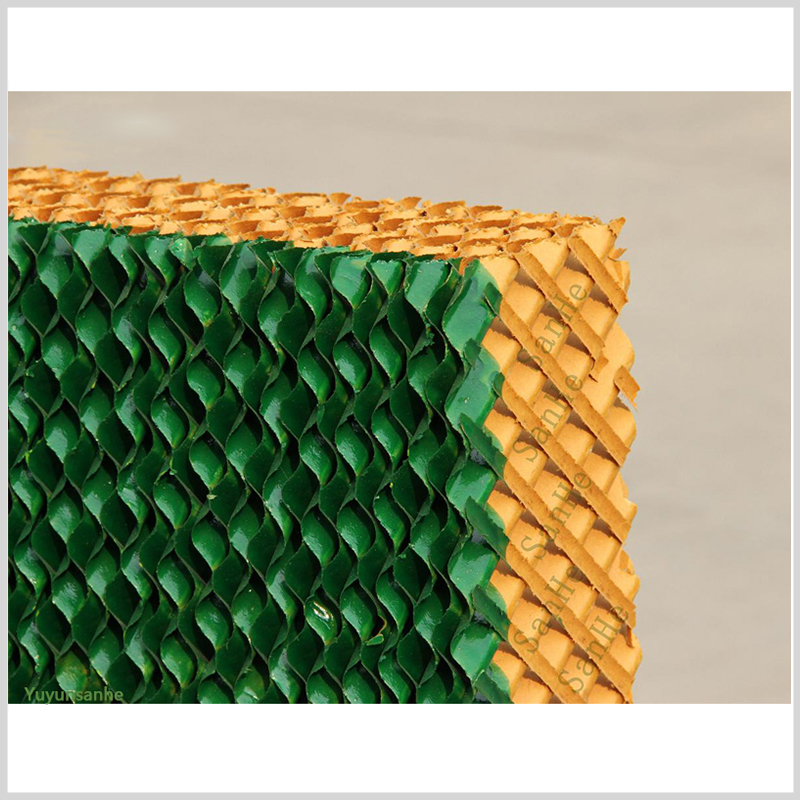
Key Specifications to Consider for Evaporative Cooling Pads
When selecting evaporative cooling pads, several specifications should be evaluated to ensure they meet the specific needs of your greenhouse.
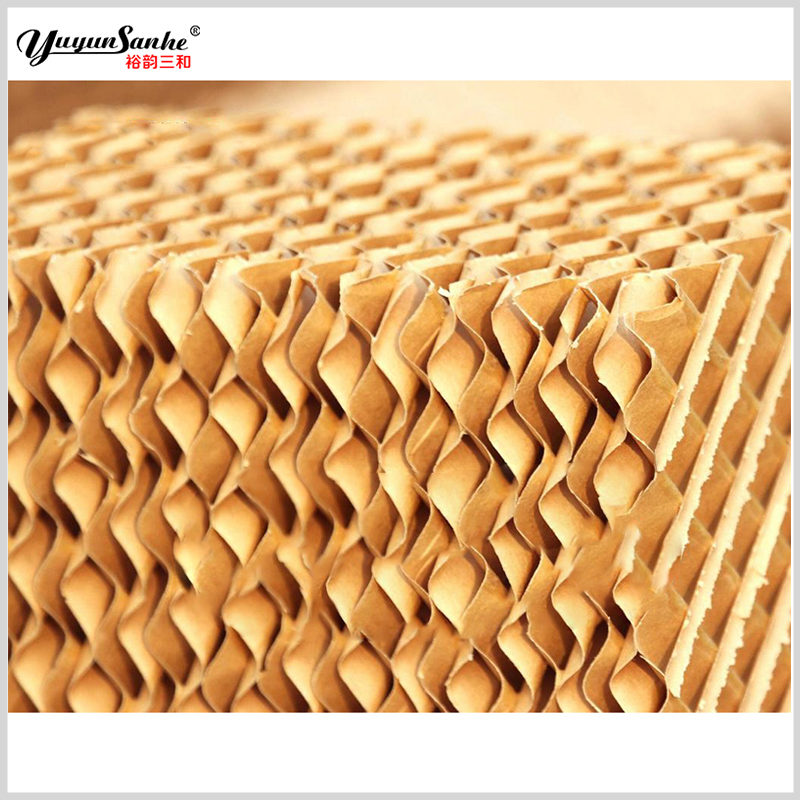
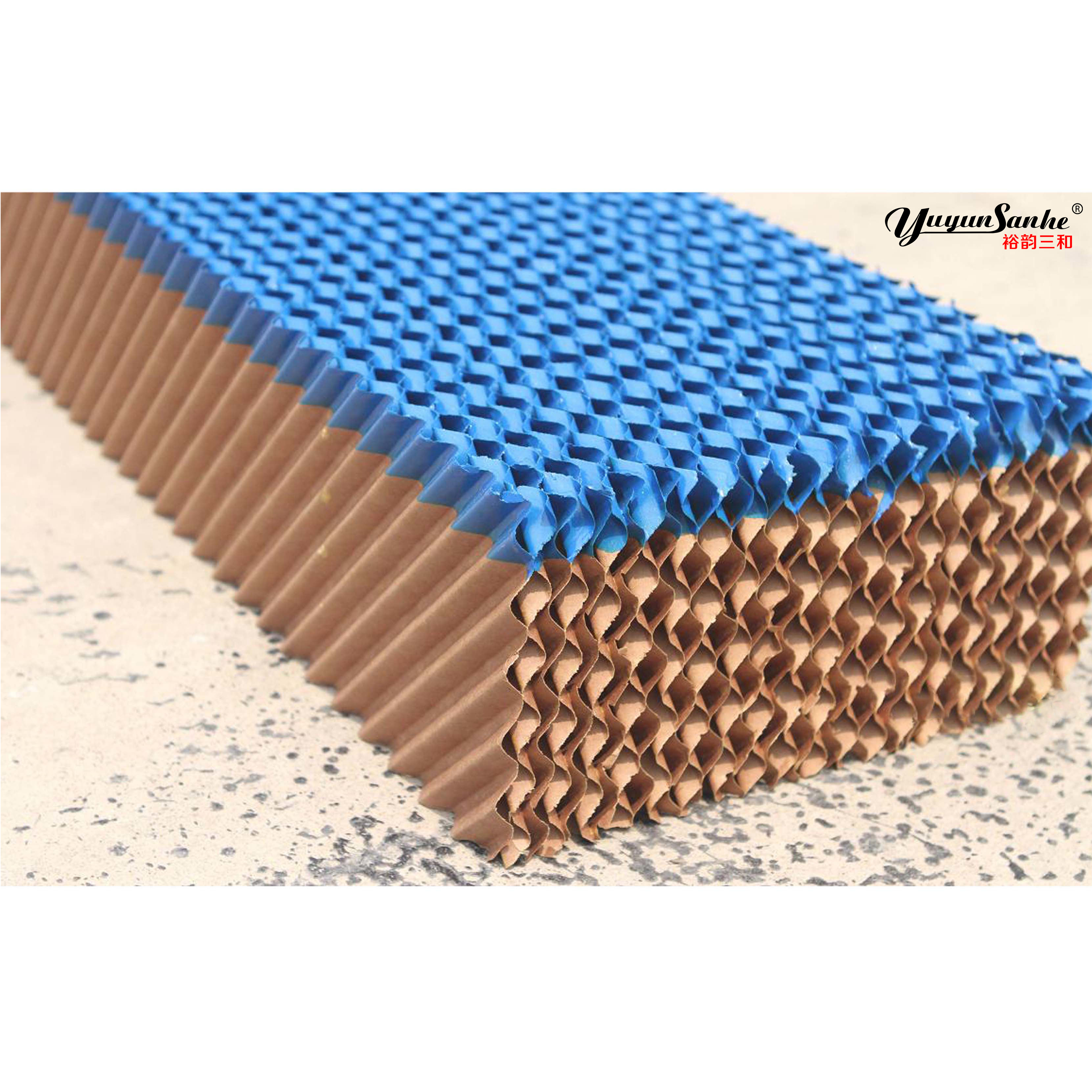
Material: Cooling pads are typically made from cellulose, fiberglass, or synthetic materials. Each material has its own durability and efficiency characteristics. Cellulose pads are known for their high absorption capacity and effective cooling, while synthetic options may offer better resistance to decay.
Thickness: The thickness of the pad directly affects its cooling efficiency. Thicker pads generally provide a greater surface area for evaporation, leading to cooler air. A common thickness ranges from 4 to 8 inches, depending on the design of the cooling system.
Dimensions: It’s crucial to ensure that the dimensions of the cooling pads fit the specific installation space in your greenhouse. Custom sizes may be available, which can optimize airflow and cooling effectiveness.
Cooling Efficiency: This is generally expressed in terms of the wet bulb depression, which indicates how much cooler the air can get compared to its initial temperature. Higher efficiency ratings mean better cooling performance.
Water Absorption: Look for pads with high water retention capacity, which allows for more efficient evaporation and cooling over longer periods, reducing the need for frequent water replenishment.


 Sophie Dong

