Cooling Pads for Coolers: Selection and Benefits

All Categories

cooling pad for cooler

Cooling pads for coolers are essential components designed to enhance the cooling efficiency of various systems, particularly in industrial and agricultural applications. As a B2B buyer, your main concerns typically revolve around the performance, material quality, and application suitability of these pads. This article aims to provide you with comprehensive insights into selecting the right cooling pad, understanding the advantages and performance metrics, and evaluating supplier considerations—ultimately helping you make informed purchasing decisions.

Top Supplier Considerations for Wholesale Cooling Pads

Top Supplier Considerations for Wholesale Cooling Pads

When sourcing cooling pads, finding a reliable supplier is essential. Begin by evaluating their manufacturing capabilities. A reputable manufacturer, like Shandong Yuyun Sanhe Machinery Co., Ltd., should have a robust production facility with quality control systems in place. Look for ISO9001, CE, and RoHS certifications that indicate adherence to international quality standards.

Next, assess their customization capabilities. Many projects may require specific dimensions, materials, or configurations. A supplier with a flexible manufacturing process can better accommodate your unique needs. Additionally, inquire about their minimum order quantity (MOQ) requirements, as this can have a significant impact on your purchasing strategy, especially for large-scale projects. It may also be beneficial to consider suppliers that offer electric shutter louvers to complement your cooling systems.

Finally, consider their experience in the export market. A supplier with a track record of exporting to multiple countries will likely have a better understanding of international shipping regulations and can provide insights into customs clearance, which may expedite your procurement process.
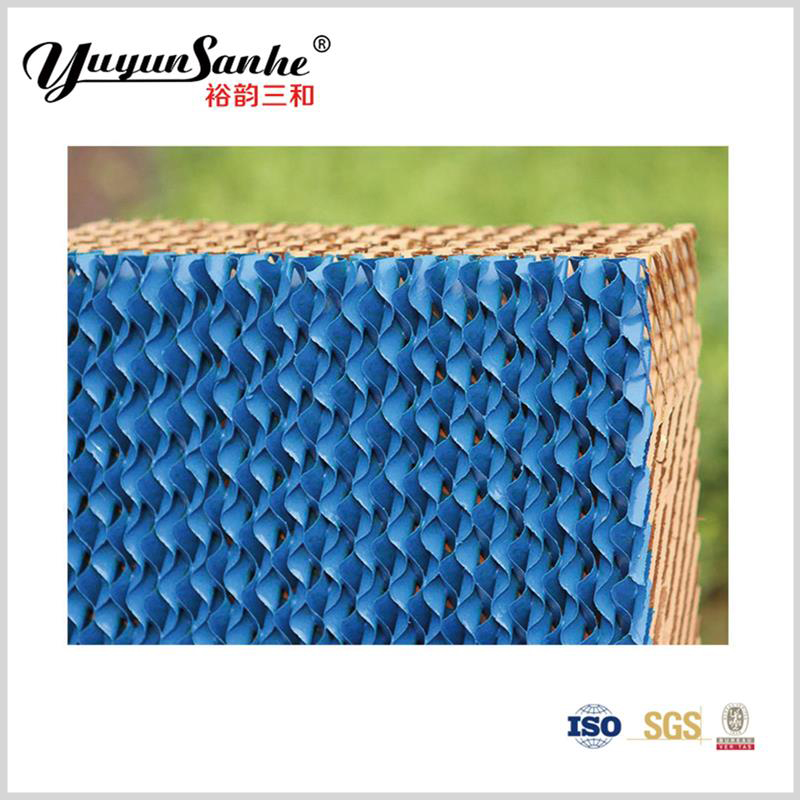
Advantages and Performance

Advantages and Performance

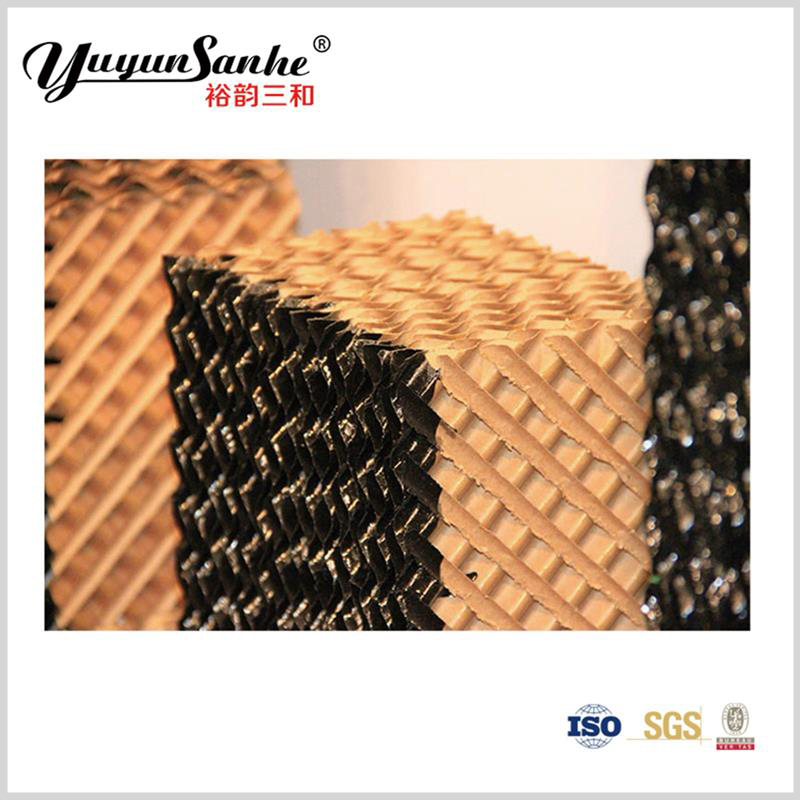
Cooling pads offer several advantages that contribute to their performance in various applications. One significant benefit is their ability to lower ambient temperatures through evaporative cooling, which can enhance comfort in livestock housing, greenhouses, and industrial facilities. This process not only improves the living conditions for animals or workers but can also lead to increased productivity and reduced energy costs.

Moreover, high-quality cooling pads can enhance air quality by filtering out dust and other particles, which is particularly beneficial in agricultural environments. This can lead to healthier conditions for animals and crops, ultimately improving yield and reducing disease risk.

Performance metrics to consider include the cooling efficiency rating, which can often be found in product specifications. Understanding how these metrics align with your specific cooling needs will help you select a product that meets or exceeds your expectations.

Exploring Applications of Cooling Pads in Various Industries

Exploring Applications of Cooling Pads in Various Industries

Cooling pads are versatile and applicable across various industries, including agriculture, manufacturing, and HVAC. In agriculture, they are commonly used in livestock facilities and greenhouses to maintain optimal temperatures and humidity levels. This is crucial for animal welfare and crop productivity, making it vital to select pads that can withstand high moisture levels and are resistant to mold and decay.

In manufacturing and industrial settings, cooling pads are often integrated into air conditioning systems for large spaces. Here, their role is to enhance energy efficiency by reducing the load on HVAC systems, thus lowering operational costs.

Additionally, in the food processing industry, cooling pads play a role in maintaining appropriate temperature levels during storage and processing, ensuring product safety and quality. Understanding these diverse applications can guide your selection process, ensuring you choose a product that aligns with your specific industry needs.

Cost Factors to Consider When Sourcing Cooling Pads

When sourcing cooling pads, various cost factors come into play that can affect your overall budget. The material type is a primary cost determinant; cellulose pads may have a lower initial cost but could require more frequent replacement, while synthetic options might have a higher upfront cost but offer greater longevity and efficiency.

Another important factor is the scale of your order. Larger orders may allow for bulk pricing discounts, which can lead to significant savings. However, keep in mind that larger quantities may also require more upfront capital, so assess your cash flow needs accordingly.

Finally, consider the total cost of ownership, which includes maintenance, replacement frequency, and energy efficiency. An initial investment in a higher-quality product may yield lower long-term costs through reduced maintenance and energy savings. Therefore, it’s vital to analyze not just the immediate price but also the long-term implications of your purchase decision.

In summary, selecting the right cooling pad for your cooler involves an understanding of materials, dimensions, and application suitability. By considering supplier capabilities, performance advantages, industry applications, and cost factors, you can make a well-informed purchasing decision that meets your project's specific requirements.

Frequently Asked Questions

What is the cooling pad for cooler used for?

Our cooling pad improves evaporative cooling efficiency in coolers, greenhouses, livestock houses, and industrial ventilation to lower temperature and control humidity.
Made with durable, corrosion-resistant materials in our 30,000 sqm factory. Products are ISO9001, CE, and RoHS certified.
We offer multiple standard sizes and can customize dimensions, thickness, and mounting to fit your cooler or ventilation system.
Install per airflow direction, secure with framing, and keep water distribution and pad surface clean. Replace pads when efficiency drops or when damaged.
Typical lead time depends on order size; we export to over 70 countries. Contact sales for quote, lead time, and shipping options.

Our Blog Posts

How to Install an Exhaust Fan Correctly: A Step-by-Step Guide

16

Oct

How to Install an Exhaust Fan Correctly: A Step-by-Step Guide

Installing an exhaust fan sounds like a tough job, but don’t let that scare you away you can do it yourself with a little help. A great exhaust fan is just the thing to make the air in your bathroom or kitchen pleasant, clean and clear once again. Le...
View More
What Safety Standards Should Exhaust Fans Comply With?

18

Oct

What Safety Standards Should Exhaust Fans Comply With?

Exhaust fans are essential in keeping your home safe and healthy, especially in areas such as the kitchen and bathroom. But, it’s also critical that these fans are safe to use. These safety standards go a long way to ensure that the fans are doing th...
View More
How Industrial Ventilation Fans Improve Airflow Efficiency?

21

Oct

How Industrial Ventilation Fans Improve Airflow Efficiency?

Hugger Roof fans vs. Industrial Roof fans Industrial fan for huggers Fans serve a critical function in the operation of an industrial facility. These ventilation fan help extract stale air, maintain a comfortable temperature, and decrease t...
View More
What Makes a Durable Feed Silo for Large-Scale Farms

16

Dec

What Makes a Durable Feed Silo for Large-Scale Farms

And for industrial size farms, a sturdy feed silo is a must. A feed silo is a large container that is used to store animal feeds as bulk material. The longevity of these silos is key as it helps keep the feed safe and fresh for animals. YuyunSanhe is...
View More

Get In Touch

Sophie Dong
Lorna Gao