
 EN
 AR
 BG
 DA
 NL
 FR
 DE
 EL
 HI
 IT
 JA
 KO
 PL
 PT
 RO
 RU
 ES
 SV
 TL
 ID
 LV
 LT
 SR
 UK
 VI
 HU
 TH
 TR
 FA
 MS
 GA
 AZ
 BN
 LA
 MN
 MY
 KK
 UZ
 KY
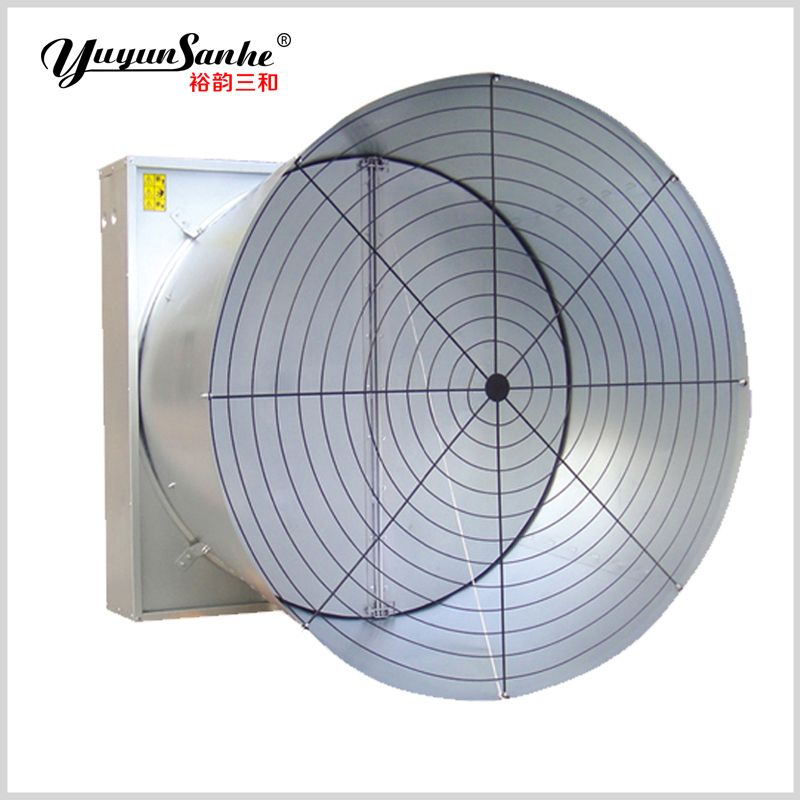
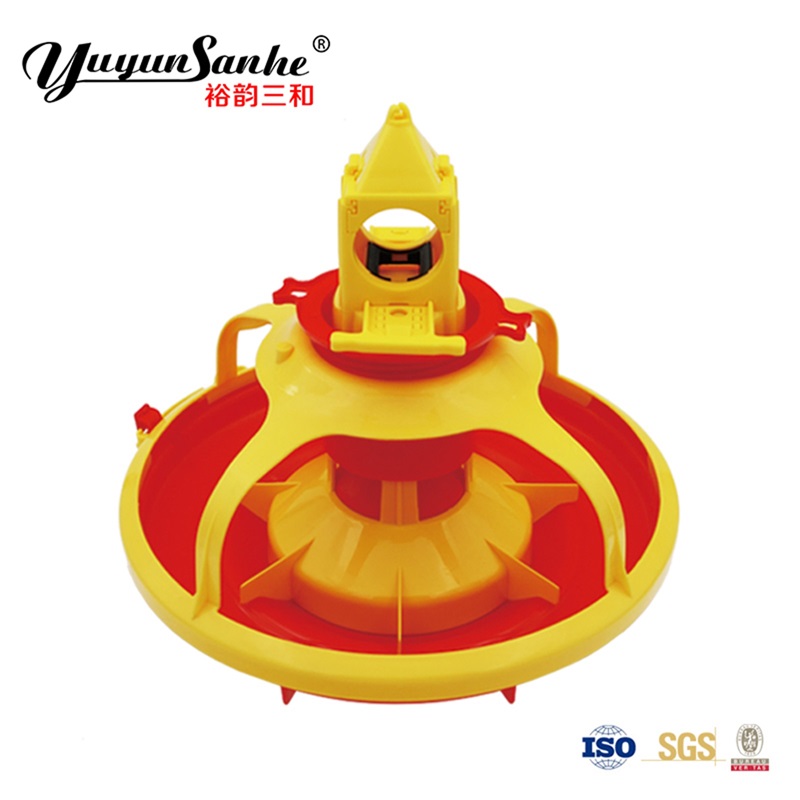
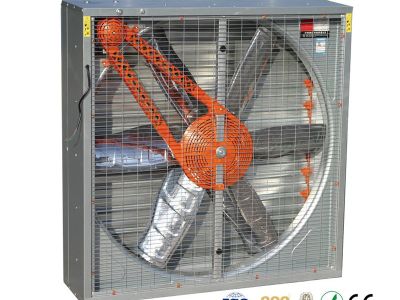
Chicken house exhaust fans are essential components in maintaining optimal air quality and temperature control within poultry environments. Effective ventilation is crucial for the health and productivity of chickens, helping to reduce humidity, remove excess heat, and eliminate harmful gases. As a purchasing manager or distributor, understanding the specifications, installation guidelines, and applications of these fans will help you make informed decisions. This broiler feeder article will explore the key aspects of chicken house exhaust fans, focusing on what to consider when selecting and installing these vital systems.


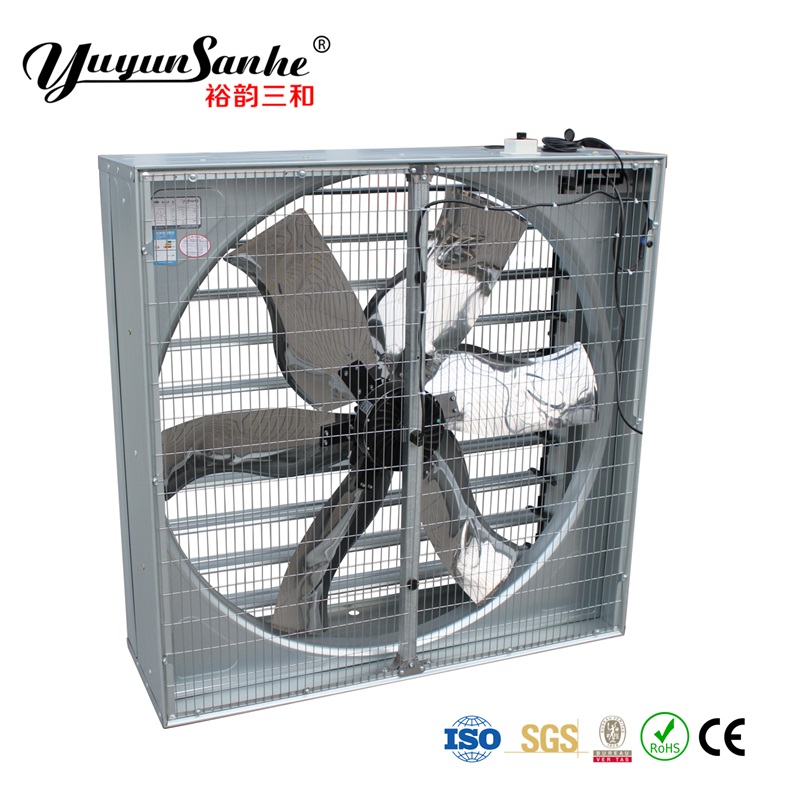
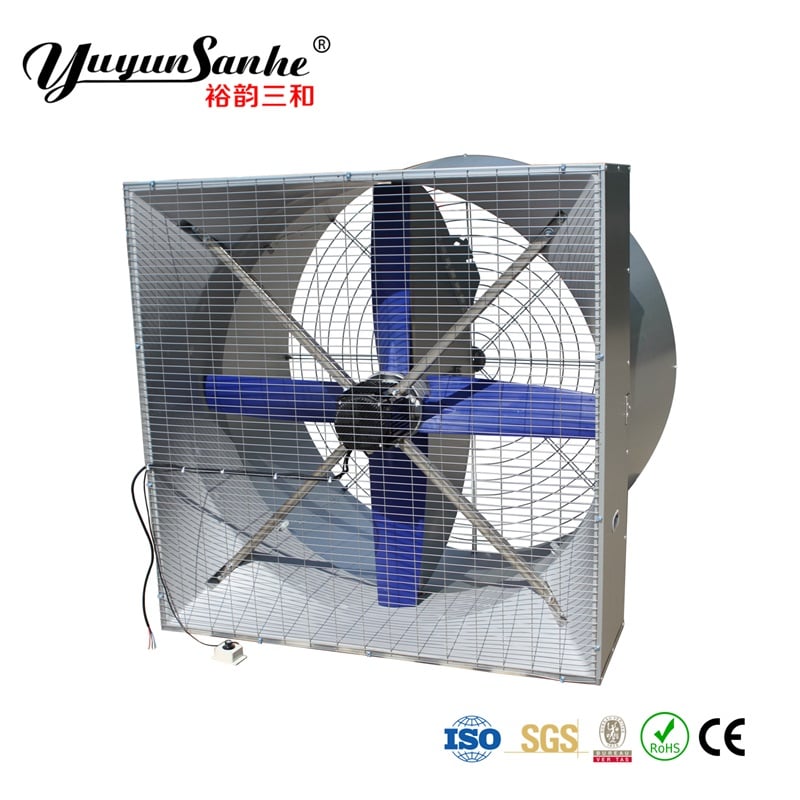
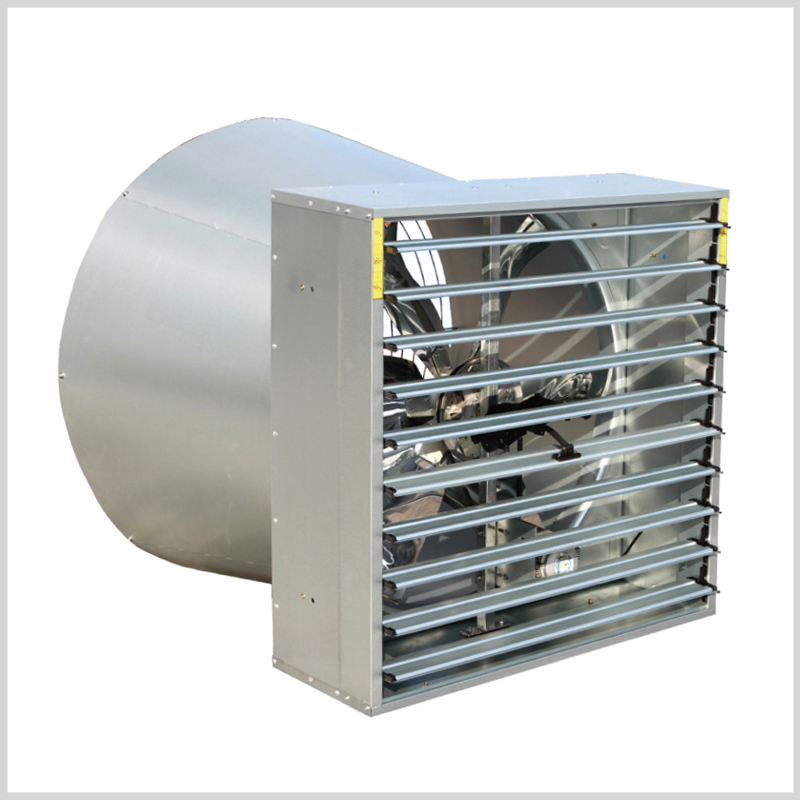
When evaluating chicken house exhaust fans
When evaluating chicken house exhaust fans, several specifications are critical to ensure optimal performance:
Airflow Capacity: Measured in cubic feet per minute (CFM), this indicates the volume of air the fan can move. Higher airflow is essential for larger poultry houses or environments with high stocking densities.
Fan Size and Type: Fans come in various sizes and types (axial or centrifugal). The poultry nipple drinker size should match the dimensions of the chicken house, while the type will depend on the specific ventilation needs (e. g., axial fans are commonly used for their efficiency).
Motor Power: The power rating of the motor (typically in horsepower) affects the fan's ability to operate under varying conditions. A more powerful motor can handle larger volumes of air and more significant resistance from ductwork.
Material Quality: High-grade materials like galvanized steel or stainless steel are preferred for durability and corrosion resistance, especially in humid environments.
 Sophie Dong

