Aquaculture Tanks:

All Categories

Aquaculture tanks

Aquaculture tanks are essential components in modern aquaculture systems, designed to support the breeding and cultivation of aquatic organisms such as fish, shellfish, and algae. As a B2B buyer, aquaculture tanks your primary concerns include the tank's specifications, quality, and compliance with relevant industry standards. This poultry feeding system article will help you navigate key considerations when sourcing aquaculture tanks, ensuring you make informed purchasing decisions that align with your operational needs.

Sourcing aquaculture tanks in bulk

Sourcing aquaculture tanks in bulk

Sourcing aquaculture tanks in bulk involves several strategic considerations to ensure you partner with reliable suppliers: 

Supplier Reputation: Research potential suppliers by checking reviews, testimonials, and case studies. A reputable manufacturer, like Shandong Yuyun Sanhe Machinery Co., Ltd., which feeding pan has been in operation since 2000 and exports to over 70 countries, can provide insights into their product quality and customer service. 

MOQ (Minimum Order Quantity): Confirm the supplier's MOQ, which can vary significantly based on the material and tank specifications. Understanding this  wholesale purchasing, cost factors upfront helps you align your purchasing strategy with your operational needs. 
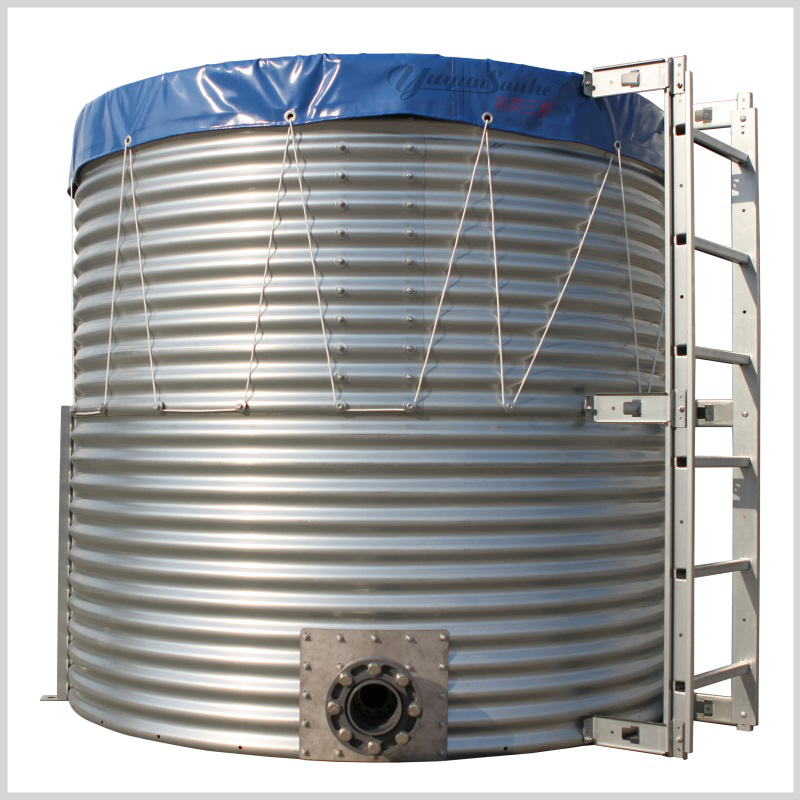
Customization Options: Discuss customization capabilities with suppliers. Tanks may need specific fittings or designs based on your facility's requirements. 
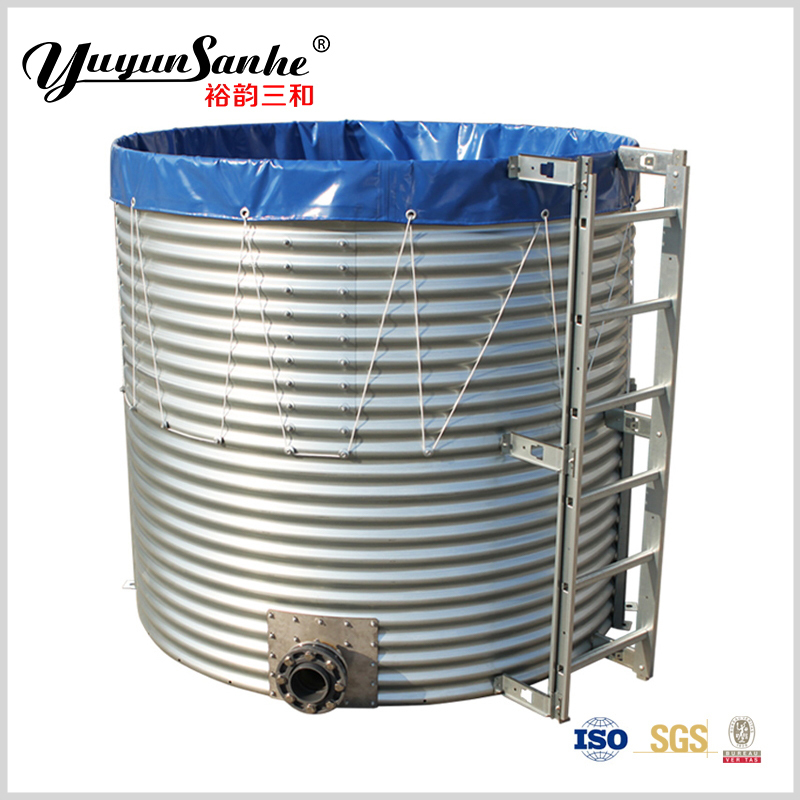
Quality standards are vital

Quality standards are vital

Quality standards are vital in aquaculture tank manufacturing to ensure that products meet necessary performance and safety criteria. Consider the following aspects when evaluating quality: 

Quality Control Processes: Assess the manufacturer's quality control measures throughout the production process, from raw material selection to final inspection. For example, aquaculture tanks ensuring that tanks undergo rigorous testing for leaks and structural integrity before shipment can prevent issues during operation. 

Certifications: Look for tanks that have been certified by recognized authorities. Certifications like ISO9001, CE, and RoHS indicate that the products adhere to international safety and quality standards, giving you confidence in your purchase. 

Material Testing: Inquire about the testing procedures for the materials used in the tanks. 

Understanding cost factors

Understanding cost factors

Understanding cost factors is essential when purchasing aquaculture tanks in bulk. Here are key elements to consider: 

Unit Price vs. Total Cost: While evaluating unit prices is important, consider the total cost of ownership, including maintenance, shipping, and installation. A lower unit price may lead to higher long-term costs if the tanks require frequent repairs or replacement. 

Shipping and Handling: Factor in shipping costs, especially if you are importing tanks from overseas. Understand the logistics involved, including aquaculture tanks customs duties and potential delays, which can impact your supply chain. 

Volume Discounts: Discuss volume pricing with suppliers. Many manufacturers offer discounts for bulk orders, which can significantly reduce your overall expenditure. 

Aquaculture tanks serve various applications

Aquaculture tanks serve various applications in modern aquaculture, each requiring specific design considerations: 

Fish Farming: Tanks used for raising fish need to provide adequate space for movement, oxygenation, and waste management. Systems equipped with filtration and aeration are essential for maintaining water quality. 

Shellfish Cultivation: Tanks for shellfish must allow for gentle water flow to support the organisms' feeding habits. Adjustable flow rates are beneficial for different species, ensuring optimal growth conditions. 

Algae Production: Algae tanks often require aquaculture tanks specific lighting and nutrient conditions. Tanks designed for this purpose should have cost factors features that facilitate controlled environmental conditions to maximize yield. 

Research and Breeding: Specialized tanks may be needed for research purposes or breeding programs, incorporating features like controlled temperature and water chemistry monitoring. 

Frequently Asked Questions

What types of aquaculture tanks do you manufacture?

We produce a range of aquaculture tanks including circular, rectangular, and customizable recirculating systems designed for fish, shrimp, and broodstock farming.
Yes. We offer custom sizes, materials, fittings, and layout designs based on your stocking density, water flow, and site requirements.
Tanks are made from durable, corrosion-resistant materials; manufactured in our 30,000 sqm factory under ISO9001, CE, and RoHS quality controls.
Yes. We offer installation guidance, commissioning assistance, and after-sales technical support including spare parts and maintenance advice.
Typical lead time varies by order size; we export to over 70 countries and can provide estimated delivery time and logistics details upon inquiry.

Our Blog Posts

Best 5 Wholesale Suppliers for Ventilation Exhaust Fan

16

Jul

Best 5 Wholesale Suppliers for Ventilation Exhaust Fan

Finding right wholesale supplier for ventilation exhaust fans are important. Many people and business needs these fans to keep areas fresh and safe. YuyunSanhe is great choise for anyone look for quality and reliable ones. We focus on give excellent ...
View More
Best 5 Manufacturers for Evaporative Air Cooler

19

Jul

Best 5 Manufacturers for Evaporative Air Cooler

When it is hot outside, people always search for way to cool down quickly. One of best option to beat this heat is using evaporative air cooler. These machine use water for make the air cooler. Unlike normal air conditioners, they consume less energy...
View More
What Safety Standards Should Poultry Farm Equipment Meet?

09

Oct

What Safety Standards Should Poultry Farm Equipment Meet?

With poultry farming being a sensitive practice, the equipment you use is of utmost importance, both for the safety and health of the personnel and the birds. It’s crucial for this equipment to meet very rigorous safety standards for both lives at st...
View More
How Environmental Control Equipment Supports Optimal Poultry Health

10

Oct

How Environmental Control Equipment Supports Optimal Poultry Health

Farmers’ flocks are super important to them because they need their chickens to stay healthy. Environmental control equipment can be used to help ensure that chickens are in good health. This sort of equipment can control the air, temperature and lig...
View More

Get In Touch

Sophie Dong
Lorna Gao