Key Considerations for Air Intake Inlets

All Categories

Air intake inlet

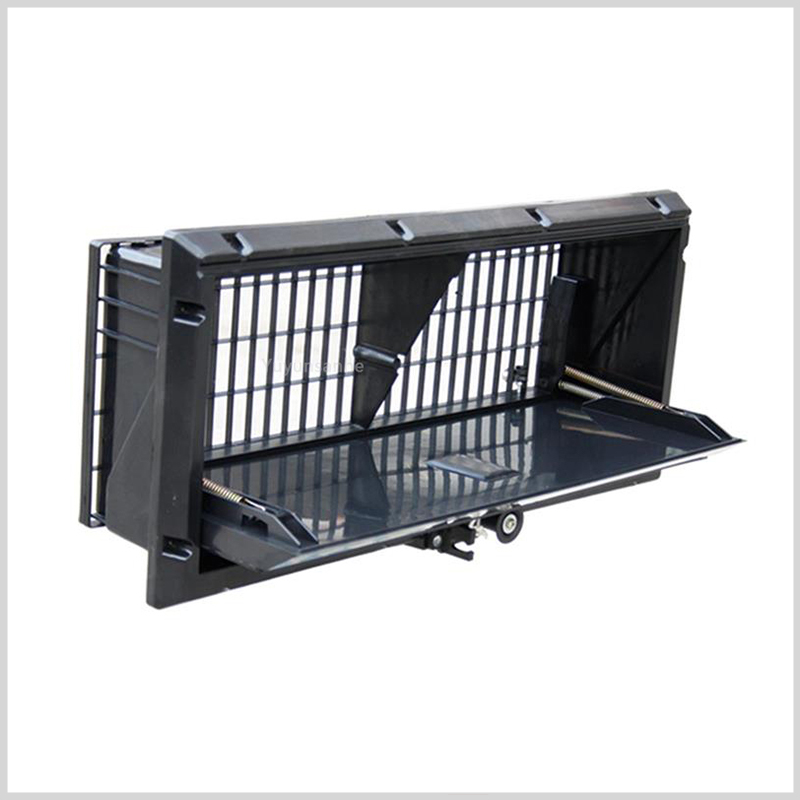
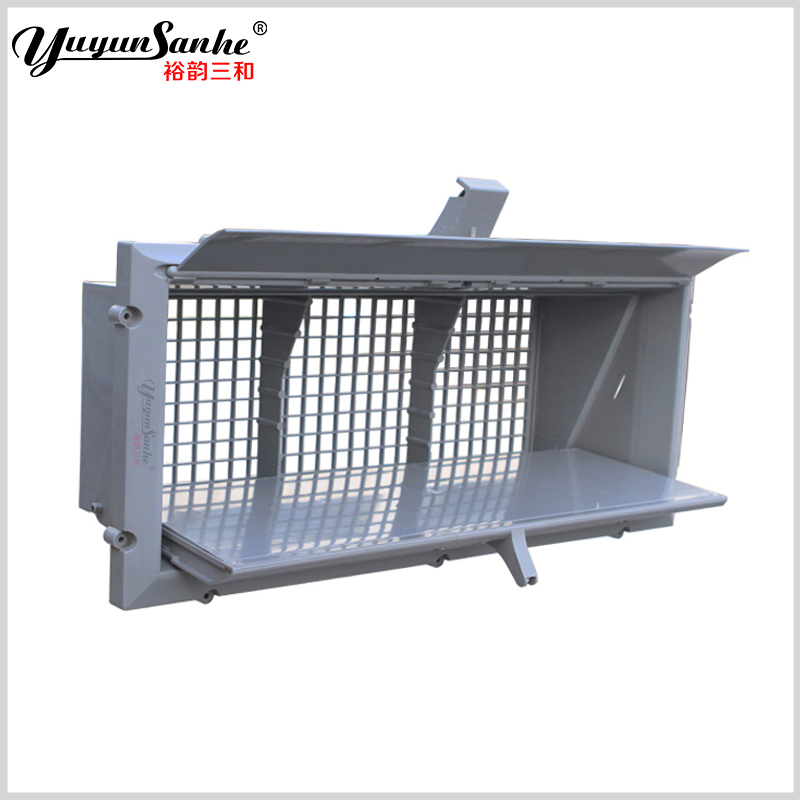
Air intake inlets are critical components in ventilation and climate control systems, playing a significant role in managing airflow for various industrial, commercial, and agricultural applications. As a purchasing manager or engineer, understanding the specifications, potential issues, and cost factors associated with air intake inlets is essential for making informed purchasing decisions. This article will provide valuable insights into evaluating air intake inlets, common problems, installation guidance, and the advantages of various materials used in these components. 

Common Problems with Air Intake Inlets and Their Solutions

Common Problems with Air Intake Inlets and Their Solutions

Air intake inlets can encounter several common issues that may compromise their performance. Here are some of the key problems and potential solutions: 

Material Degradation: Depending on the operating environment, certain materials may degrade over time due to exposure to UV light, moisture, or chemicals. 

Improper Sizing: An inlet that is too small may restrict airflow, while one that is too large may lead to excessive noise or turbulence. 

By proactively addressing these common problems, you can maintain the efficiency and effectiveness of your air intake inlets. 
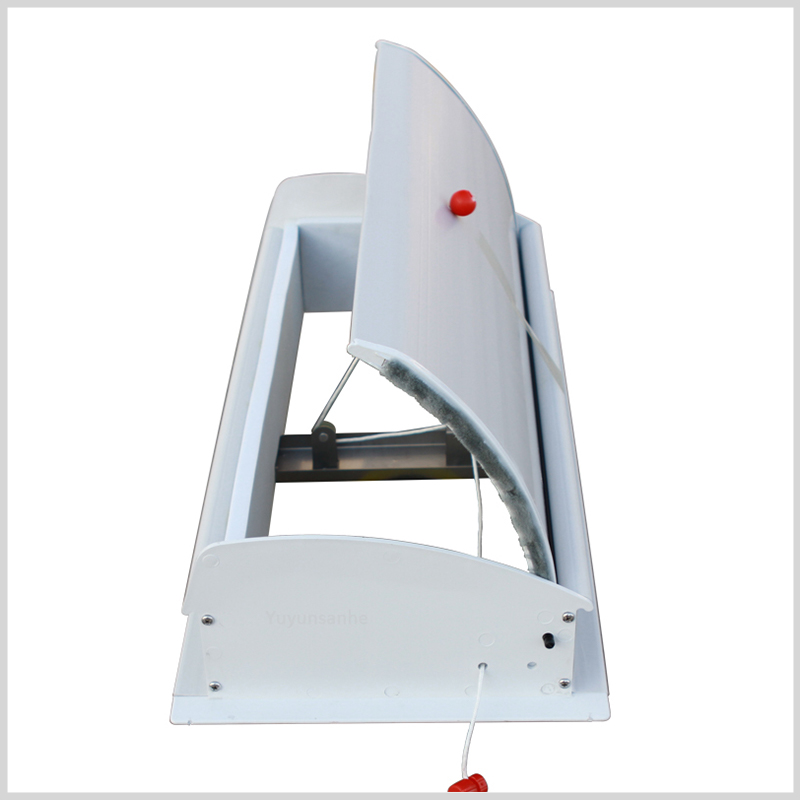
Cost Factors to Consider When Purchasing Air Intake Inlets

Cost Factors to Consider When Purchasing Air Intake Inlets

The cost of air intake inlets can vary significantly based on several factors, which should be carefully considered during the purchasing process: 

Customization Needs: If your application requires custom sizing or features, expect additional costs. Discuss your requirements with the manufacturer to understand the associated costs in YuyunSanhe air inlet window. 

Quantity Ordered: Bulk purchasing often leads to discounts. Consider your long-term needs and whether ordering in larger quantities may provide cost savings. 

Installation Guidance for Efficient Air Intake Inlet Use

Installation Guidance for Efficient Air Intake Inlet Use

Proper installation of air intake inlets is essential for ensuring optimal performance. Here are some installation tips: 

Follow Manufacturer Guidelines: Always adhere to the manufacturer's installation instructions, which will provide specific guidance on mounting, and integration with existing systems. 

Use Proper Tools and Equipment: Ensure that you have the necessary tools and equipment for installation, including sealing materials, mounting brackets, and any required fasteners. 

By following these installation guidelines, you can enhance the performance and reliability of your air intake inlets. 

Advantages of Different Materials for Air Intake Inlets

The choice of material for air intake inlets can significantly affect their performance and suitability for specific applications. Here are some common materials and their advantages: 

Composite Materials: Combining the advantages of both plastic and metal, composite materials can provide excellent strength and resistance to environmental factors. 

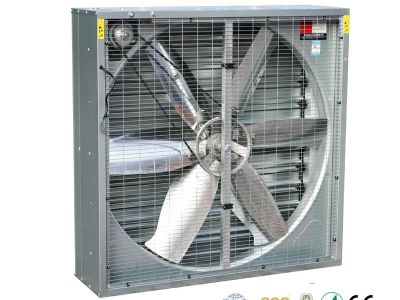
Galvanized Steel: This material is treated to resist rust and corrosion, making YuyunSanhe air inlet for swine farm suitable for outdoor or humid environments. 

By understanding these factors, purchasing managers and engineers can make better-informed decisions regarding air intake inlets, ensuring that they select the most appropriate products for their specific applications. 

Frequently Asked Questions

What is the air intake inlet used for?

The air intake inlet provides controlled fresh air entry for ventilation, cooling, heating, and breeding systems to maintain ventilation efficiency and indoor air quality.
Manufactured in our 30,000 sqm facility using quality materials and strict QC; products meet ISO9001, CE, and RoHS certifications.
Yes. We offer design and size customization to fit different ventilation and climate control systems based on project requirements.
Installation varies by model; generally requires secure mounting, proper sealing to ducts, and connection to fans or HVAC equipment per provided instructions.
Yes. We export to over 70 countries and offer technical support, parts supply, and warranty service to ensure proper operation.

Our Blog Posts

Whats the Ideal Air Exchange Rate for Greenhouse Ventilation?

23

Nov

Whats the Ideal Air Exchange Rate for Greenhouse Ventilation?

Greenhouses are essentially giant glass houses for plants, and plants, like people, need fresh air to be healthy. And that’s when air exchange is important. The key is simply to exchange the old air inside the greenhouse with the fresh air from outdo...
View More
How to Choose the Right Ventilation Fan for Your Greenhouse

24

Nov

How to Choose the Right Ventilation Fan for Your Greenhouse

It is critical to select the proper ventilation fan for your greenhouse to ensure your plants stay healthy. A fan used properly will serve to manage the temperature and ensure that there’s plenty of air circulating. There are a few things to consider...
View More
How Cooling Pads Improve Airflow Efficiency in Evaporative Cooling Systems

06

Dec

How Cooling Pads Improve Airflow Efficiency in Evaporative Cooling Systems

Evaporative cooling units require cooling pads, which play a crucial role in the performance of the airflow. Industrial Systems Industrial systems such as those produced by YuyunSanhe are based on the evaporation cooling principle. When drenched with...
View More
How Evaporative Cooling Pads Reduce Operational Costs for Poultry Farms

22

Apr

How Evaporative Cooling Pads Reduce Operational Costs for Poultry Farms

The most important factor is to ensure poultry are kept cool and happy, particularly in warm temperatures. One form of cooling is using evaporative cooling pads, these are specific materials which cools the air as water passes through them, which can...
View More

Get In Touch

Sophie Dong
Lorna Gao