
 EN
 AR
 BG
 DA
 NL
 FR
 DE
 EL
 HI
 IT
 JA
 KO
 PL
 PT
 RO
 RU
 ES
 SV
 TL
 ID
 LV
 LT
 SR
 UK
 VI
 HU
 TH
 TR
 FA
 MS
 GA
 AZ
 BN
 LA
 MN
 MY
 KK
 UZ
 KY
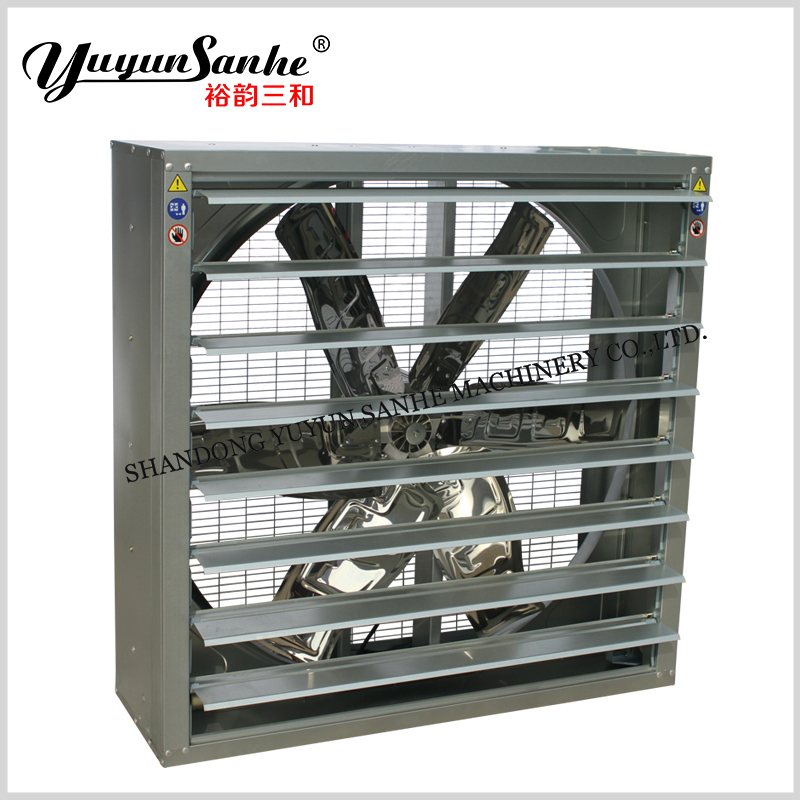
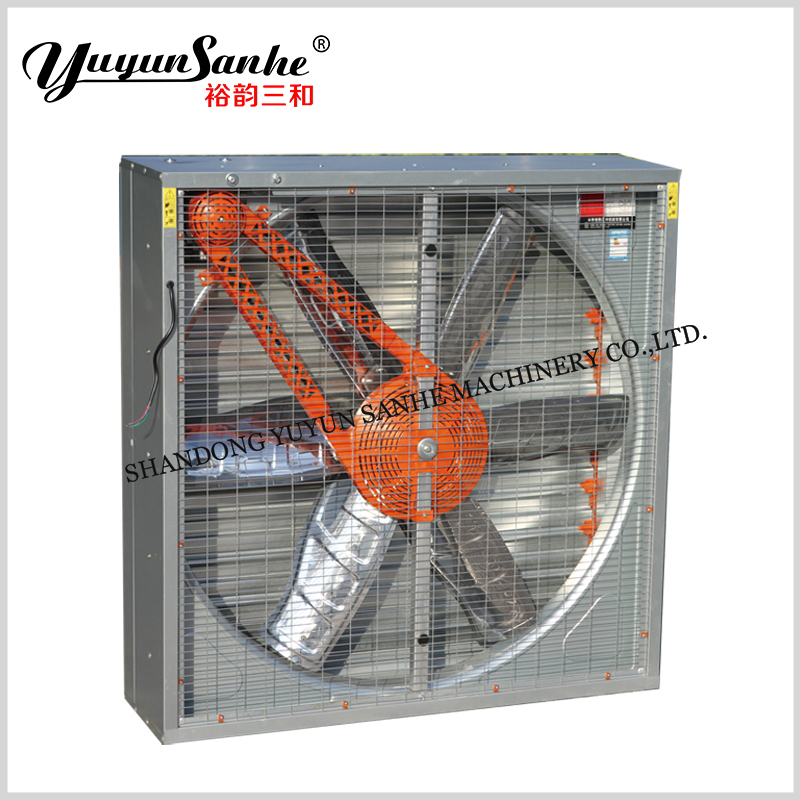
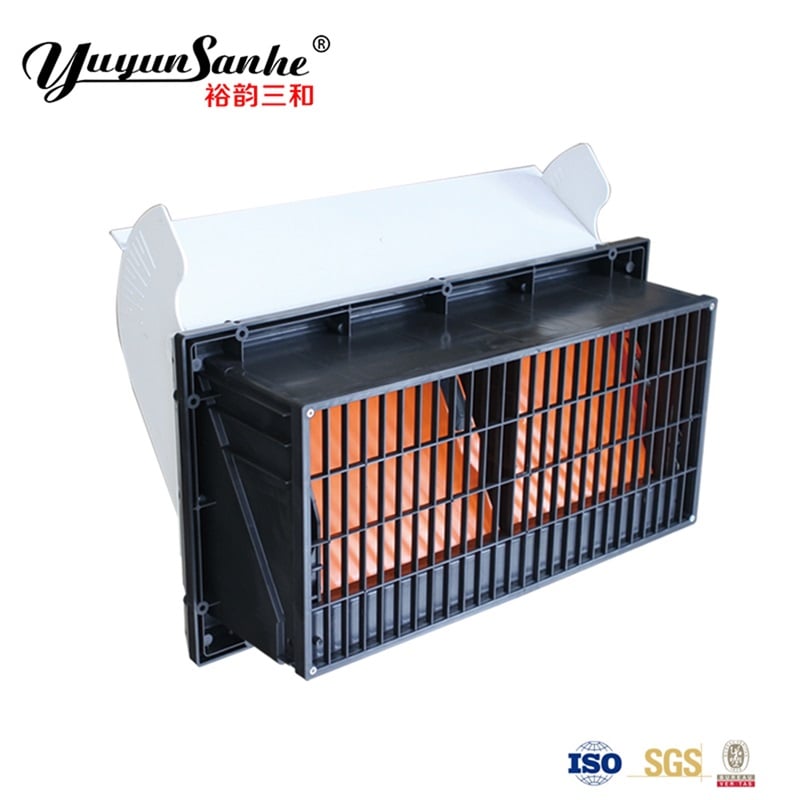
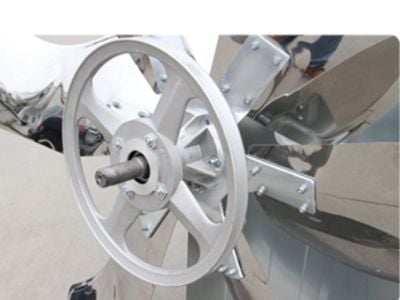
Air extractors are crucial components in various industrial and commercial applications, designed to remove stale air, odors, and excess humidity from enclosed spaces. For purchasing managers, engineers, and other B2B buyers, understanding the specifications, quality, and proper installation of air extractors is essential to ensure optimal performance and compliance with industry standards. This poultry feeding system article air extractors will guide you through evaluating air extractor quality, key specifications to consider, finding reliable suppliers, installation guidance, and the primary applications of air extractors in manufacturing and industry.


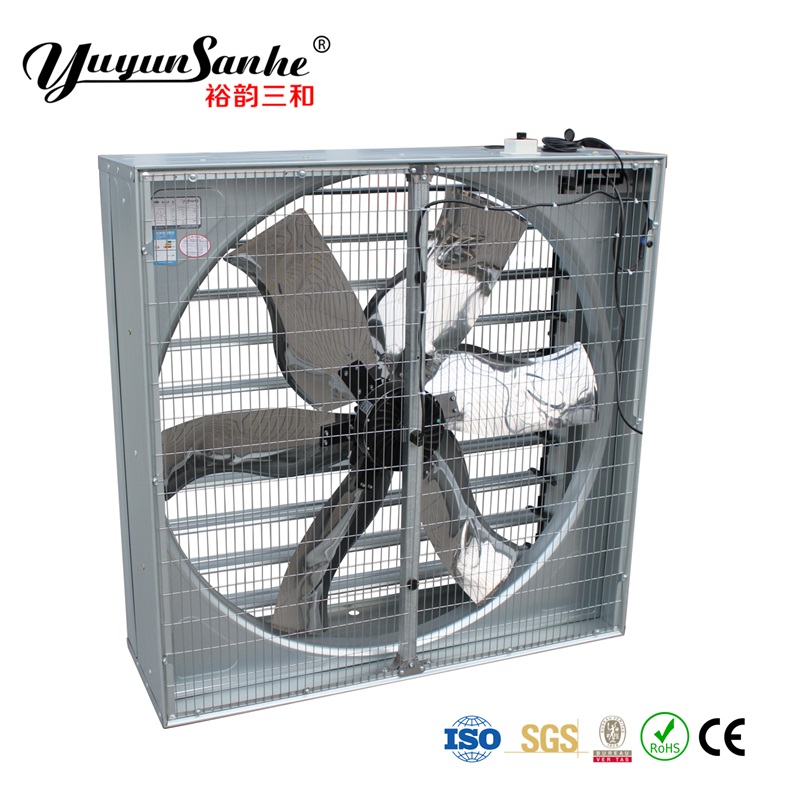
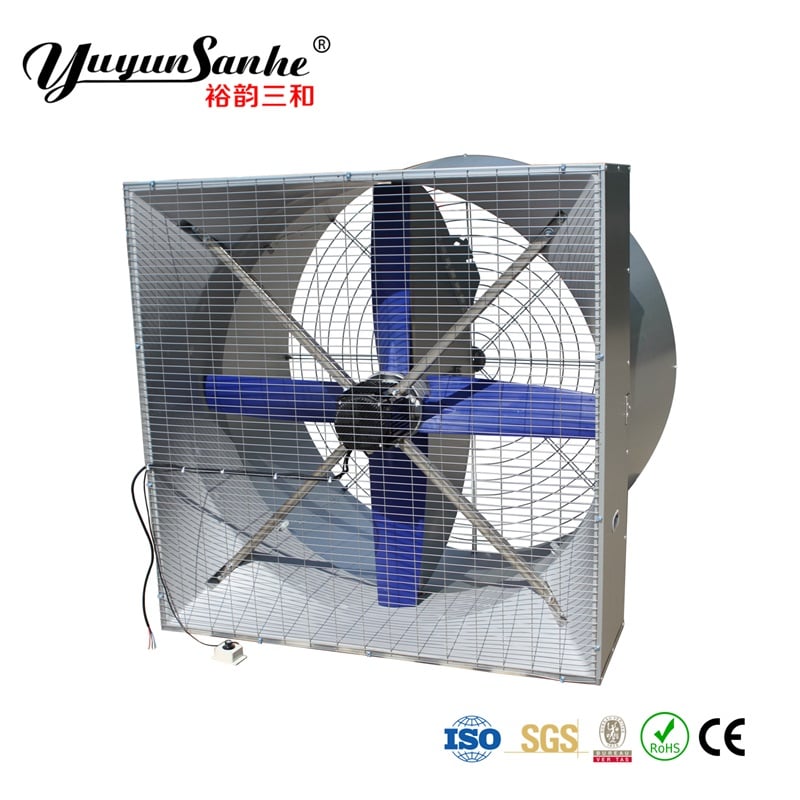
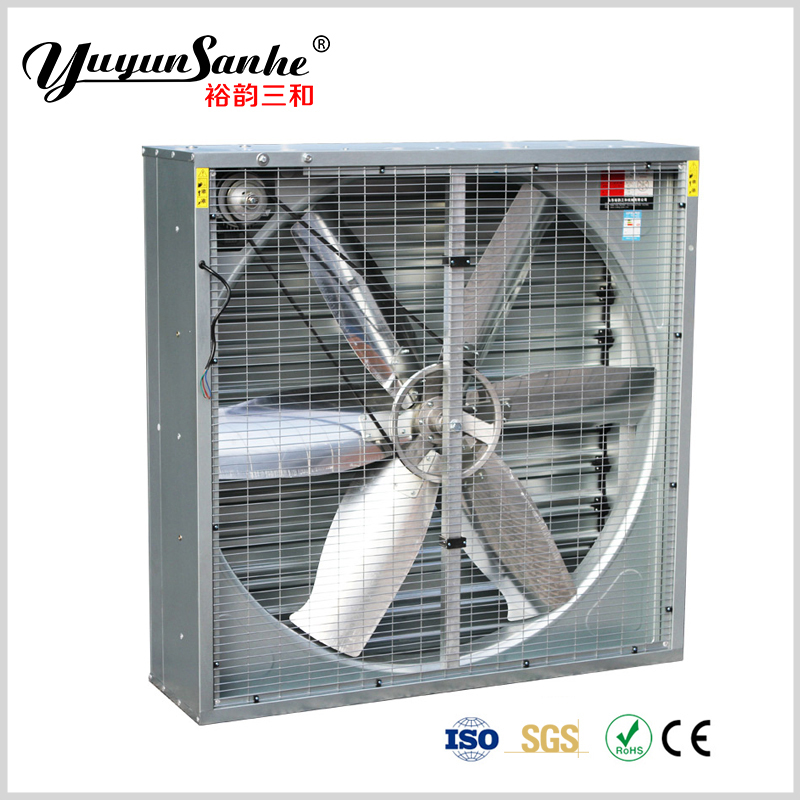
Critical specifications of air extractors
Critical specifications of air extractors include airflow capacity, noise level, power consumption, and installation dimensions.
Airflow Capacity: Measured in cubic feet per minute (CFM), this specification indicates how much air the extractor can move. It's air extractors vital to choose an extractor with an adequate CFM for the intended space to ensure effective ventilation.
Noise Level: The decibel (dB) rating reflects how loud the extractor operates. For environments requiring minimal noise, such as offices or residential areas, aim for a lower dB rating without sacrificing airflow.
Power Consumption: This feeding pan affects both operational costs and energy efficiency. Energy-efficient models may have a higher initial cost but lower lifetime operating costs.


 Sophie Dong

