Air Cooler Price: Key Considerations for Bulk Orders

All Categories

air cooler price

When considering air cooler price, B2B buyers must navigate a complex landscape of specifications, supplier reliability, and application needs. Air coolers are crucial for managing climate in various industrial and commercial settings, impacting productivity and operational efficiency. This article aims to guide purchasing managers, engineers, and product managers through essential considerations when evaluating air cooler prices, helping them make informed decisions that align with their specific requirements.
Where to Find Reliable Suppliers for Air Cooler Purchases

Where to Find Reliable Suppliers for Air Cooler Purchases

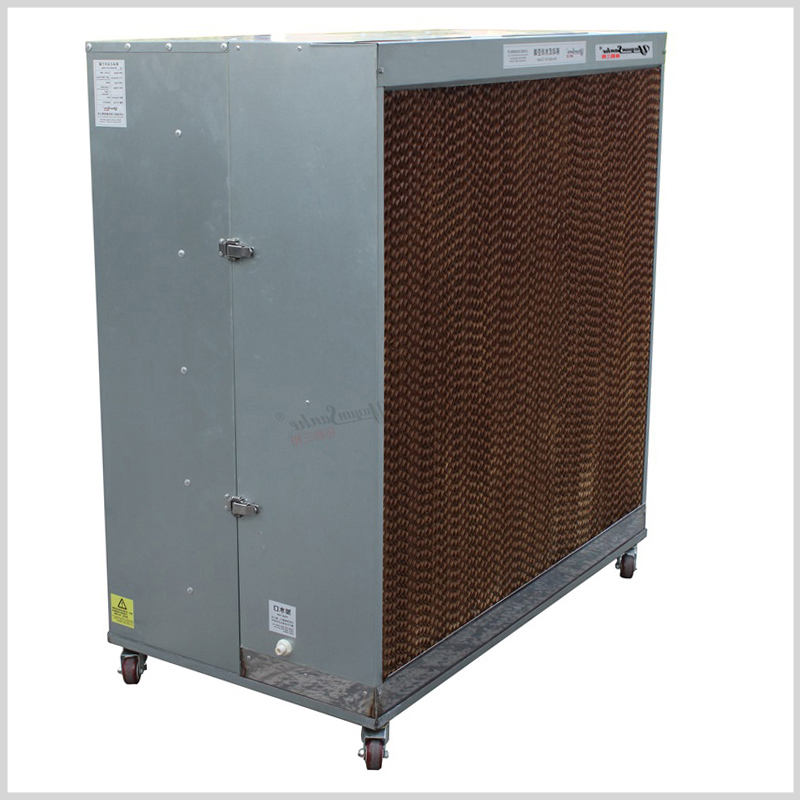
Finding reliable suppliers for air cooler purchases is crucial for securing quality products and maintaining supply chain integrity. Start by conducting thorough market research to identify established manufacturers with a proven track record. Suppliers with certifications like ISO9001, CE, and RoHS, such as Shandong Yuyun Sanhe Machinery Co., Ltd., can provide assurance of quality and compliance with international standards.

Online marketplaces and industry-specific directories offer a wealth of information but should be approached with caution. Check reviews, request references, and ask for samples to evaluate product quality firsthand. Trade shows and industry exhibitions are excellent opportunities to meet suppliers, see products in action, and discuss specific needs directly.

Networking within industry associations can also yield valuable supplier recommendations. Peers in your sector may share insights into their experiences with various manufacturers, helping you make a more informed decision.
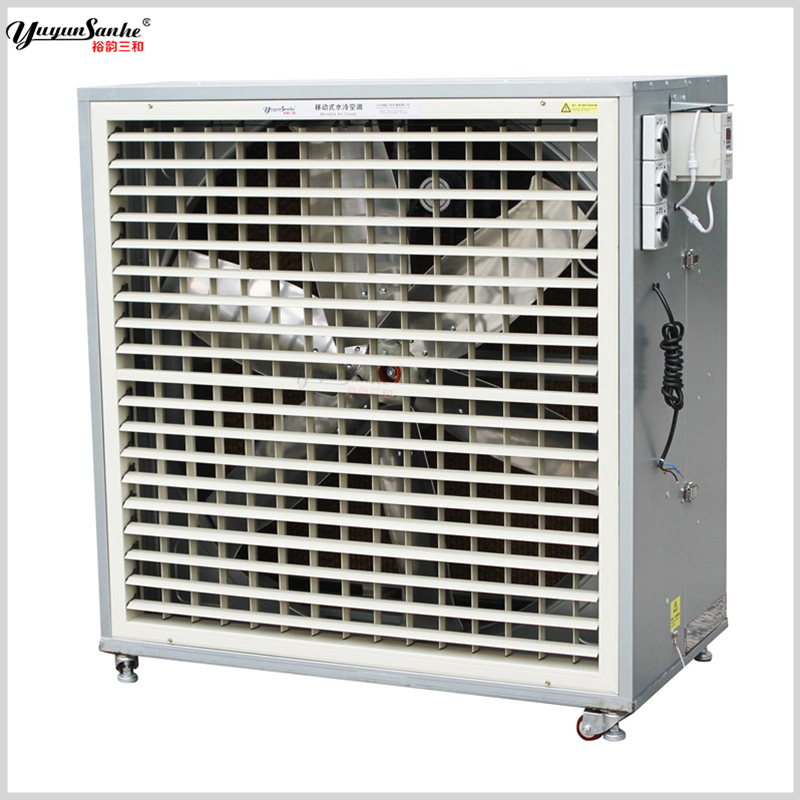
Key Specifications to Evaluate in Air Coolers for Your Projects

Key Specifications to Evaluate in Air Coolers for Your Projects

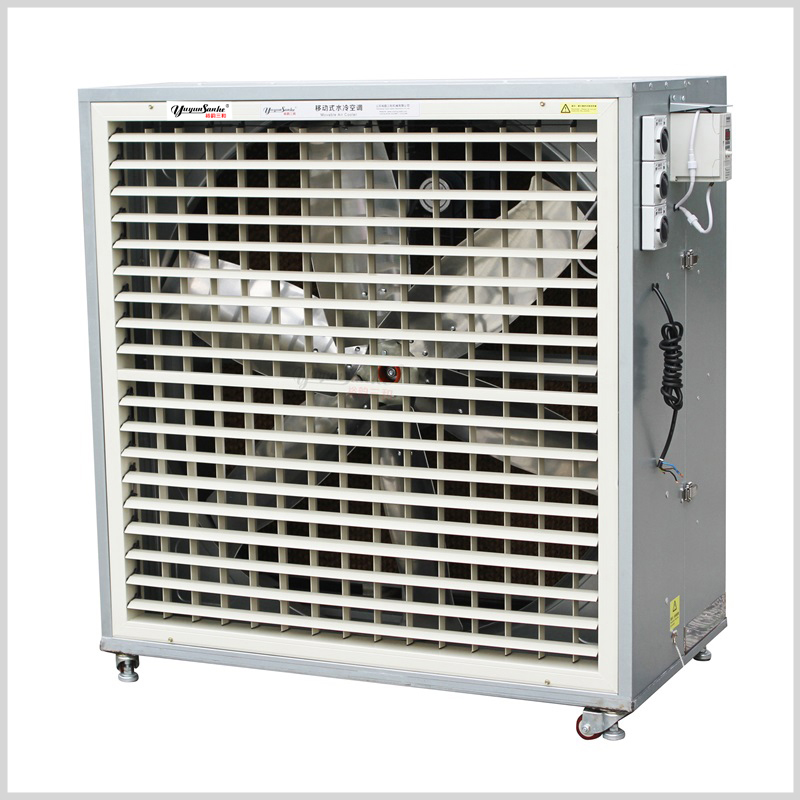
When evaluating air coolers for your projects, focus on key specifications that directly impact performance. Important factors include:

Cooling Capacity: Measured in BTUs or CFM (Cubic Feet per Minute), this specification indicates the air cooler’s ability to lower temperatures in a given area. Ensure that the capacity aligns with your operational requirements.

Energy Efficiency: Look for energy efficiency ratings, as more efficient models may have higher upfront costs but can lead to significant savings over time. This is particularly important in large-scale operations where energy consumption can be substantial.

Material Quality: The materials used in construction affect durability and performance. Air coolers constructed from corrosion-resistant materials are preferable, especially in humid environments.

Noise Levels: For applications where noise may be an issue, consider the decibel ratings. A quieter operation can be essential in settings such as offices or retail spaces.

Control Features: Evaluate the control systems available, including programmable timers and remote controls, which can enhance usability and efficiency. Additionally, when selecting air coolers, consider options like Poultry Equipment that might complement your cooling solutions.

Confirming these specifications with potential suppliers will help ensure that the air coolers meet your operational demands.

How Material Quality Impacts Air Cooler Price and Performance

How Material Quality Impacts Air Cooler Price and Performance

Material quality plays a significant role in both the price and performance of air coolers. Higher-quality materials typically lead to enhanced durability, improved efficiency, and longer lifespans, justifying a higher purchase price. For instance, air coolers made from high-grade aluminum or stainless steel resist corrosion, which is especially crucial in environments with high moisture levels.

Additionally, the insulation material used can affect energy efficiency. Good insulation minimizes heat transfer, allowing the cooler to maintain desired temperatures with less energy consumption. This not only impacts operational costs but also contributes to the overall lifespan of the equipment.

When sourcing air coolers, inquire about the materials used and request documentation regarding their performance under various conditions. This will help you understand the long-term value of your investment.

Understanding Different Applications for Air Coolers in Industry

Air coolers serve a variety of applications across different industries, each with unique requirements. In manufacturing facilities, air coolers are essential for maintaining optimal working conditions to enhance productivity and ensure worker comfort. In agriculture, they help regulate temperature in breeding environments, ensuring the health and growth of livestock.

In commercial settings, air coolers can be used to control the climate in warehouses, retail spaces, and offices. Understanding the specific application helps in selecting the right model with appropriate cooling capacity and features.

For specialized applications, such as those in food processing or chemical manufacturing, ensure that the air cooler meets industry regulations and standards. Discuss your specific needs with suppliers to identify models that can be customized for particular environments or processes, ensuring compatibility and efficiency.

By considering these factors, purchasing managers and engineers can make informed decisions that not only meet their immediate cooling requirements but also align with long-term business goals.

Frequently Asked Questions

What is the typical price range for an air cooler?

Prices vary by model and capacity; basic units start low, mid-range models cost more, and industrial systems are highest. Contact us with specifications for an accurate quote.
Yes. We provide competitive bulk and OEM pricing based on order volume, customization, and technical requirements. Request a quotation with details.
Price depends on size, cooling capacity, material, added features (controls, filters), and customization. Warranty and certifications also influence cost.
Standard quotes exclude local taxes, international shipping, and installation. We can provide all-inclusive pricing upon request for specific delivery and service needs.
Contact our sales team with model, capacity, quantity, application, shipping address, and required certifications. We will provide a formal quotation promptly.

Our Blog Posts

Top 1 Manufacturer of exhaust fan for poultry farm and greenhouse

03

Oct

Top 1 Manufacturer of exhaust fan for poultry farm and greenhouse

Are you a farmer? Do you own a poultry farm or plant greenhouse? Well, in that case you understand how crucial it is to maintain your plants calm. Another huge piece to the puzzle of keeping everything healthy is having good airflow on your farm. Low...
View More
How Environmental Control Equipment Supports Optimal Poultry Health

10

Oct

How Environmental Control Equipment Supports Optimal Poultry Health

Farmers’ flocks are super important to them because they need their chickens to stay healthy. Environmental control equipment can be used to help ensure that chickens are in good health. This sort of equipment can control the air, temperature and lig...
View More
Whats the Ideal Air Exchange Rate for Greenhouse Ventilation?

23

Nov

Whats the Ideal Air Exchange Rate for Greenhouse Ventilation?

Greenhouses are essentially giant glass houses for plants, and plants, like people, need fresh air to be healthy. And that’s when air exchange is important. The key is simply to exchange the old air inside the greenhouse with the fresh air from outdo...
View More
The Impact of Heater Placement on Performance

19

Dec

The Impact of Heater Placement on Performance

When it comes to getting the most out of your heaters, where you use them in a room is super important. If a heater is in the wrong spot, it doesn’t do its job as well as it should. This is to say some parts of the room stay cold, while others get un...
View More

Get In Touch

Sophie Dong
Lorna Gao