
 EN
 AR
 BG
 DA
 NL
 FR
 DE
 EL
 HI
 IT
 JA
 KO
 PL
 PT
 RO
 RU
 ES
 SV
 TL
 ID
 LV
 LT
 SR
 UK
 VI
 HU
 TH
 TR
 FA
 MS
 GA
 AZ
 BN
 LA
 MN
 MY
 KK
 UZ
 KY
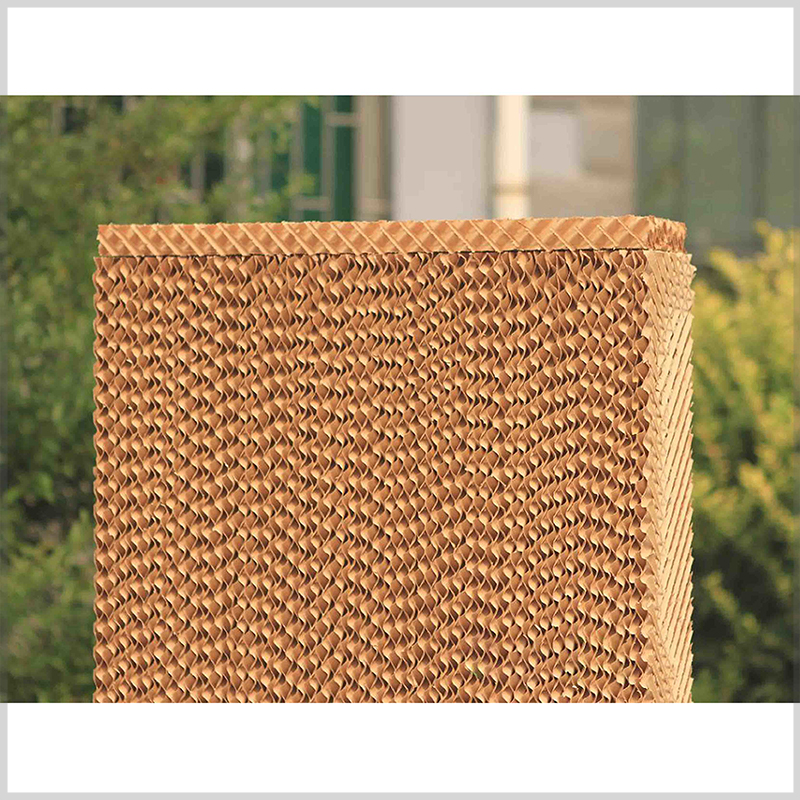
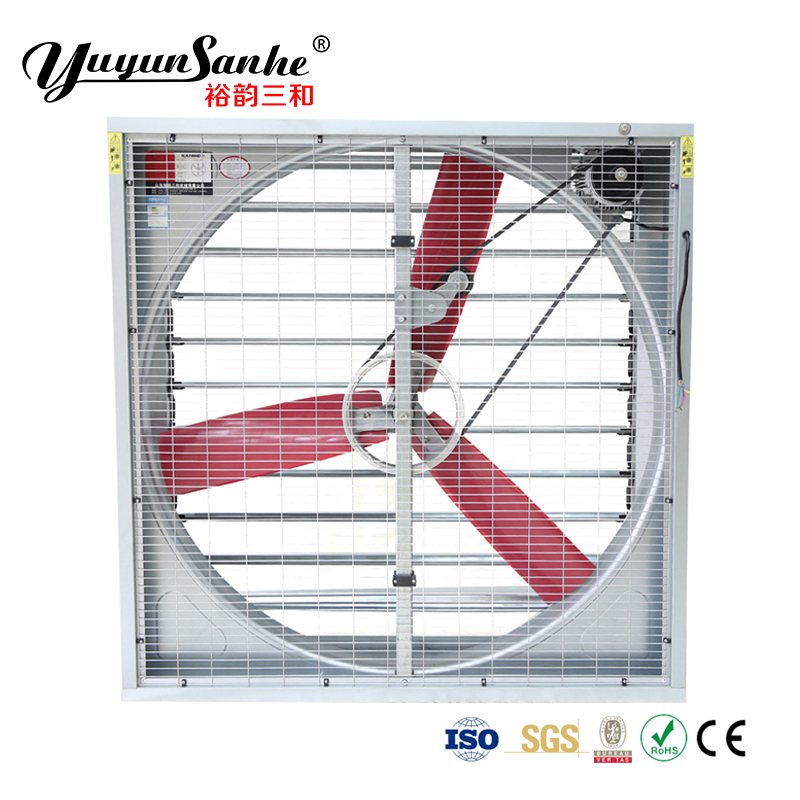
Air cooler pads are essential components in evaporative cooling systems, playing a crucial role in enhancing air quality and reducing temperatures in large spaces. Understanding air cooler pad prices is vital for B2B buyers, such as purchasing managers and distributors, looking to optimize costs while ensuring quality. This livestock feeding equipment article will explore where to find reliable suppliers, the cost factors influencing pricing, key specifications to consider, common installation challenges, and the diverse applications of air cooler pads across various industrial settings.


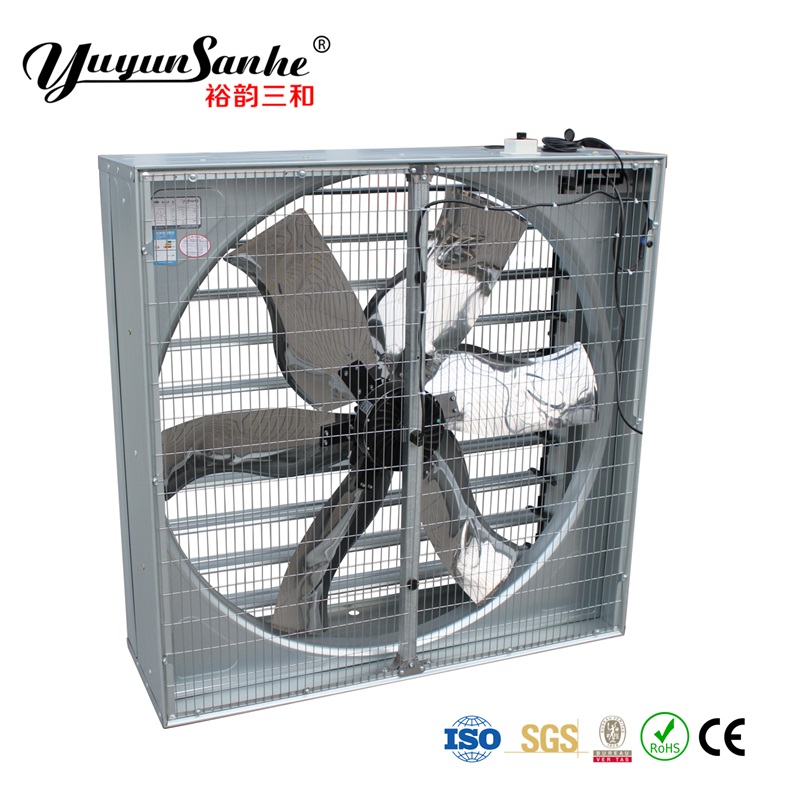
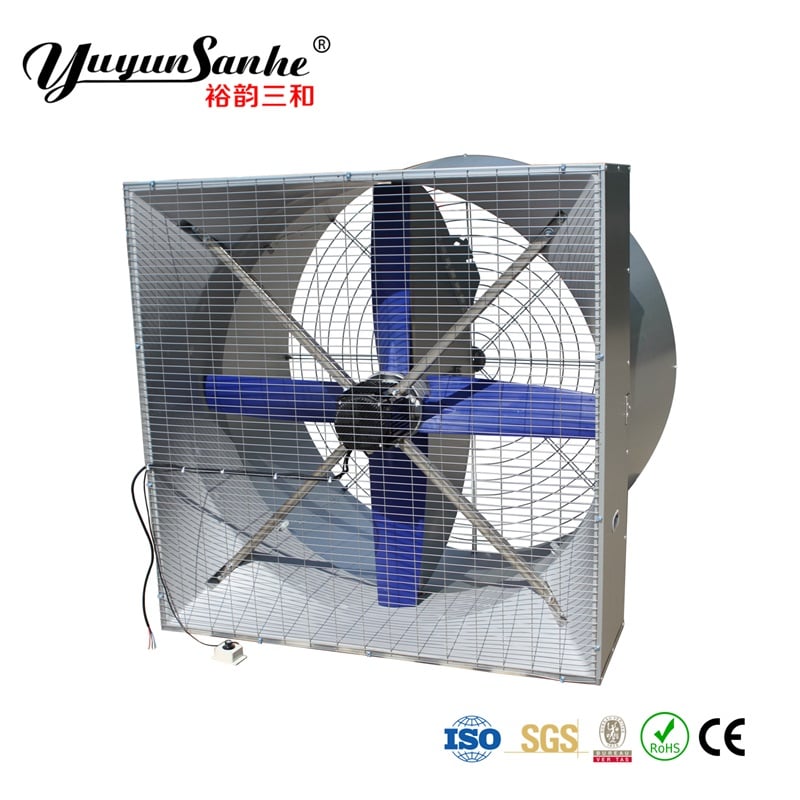
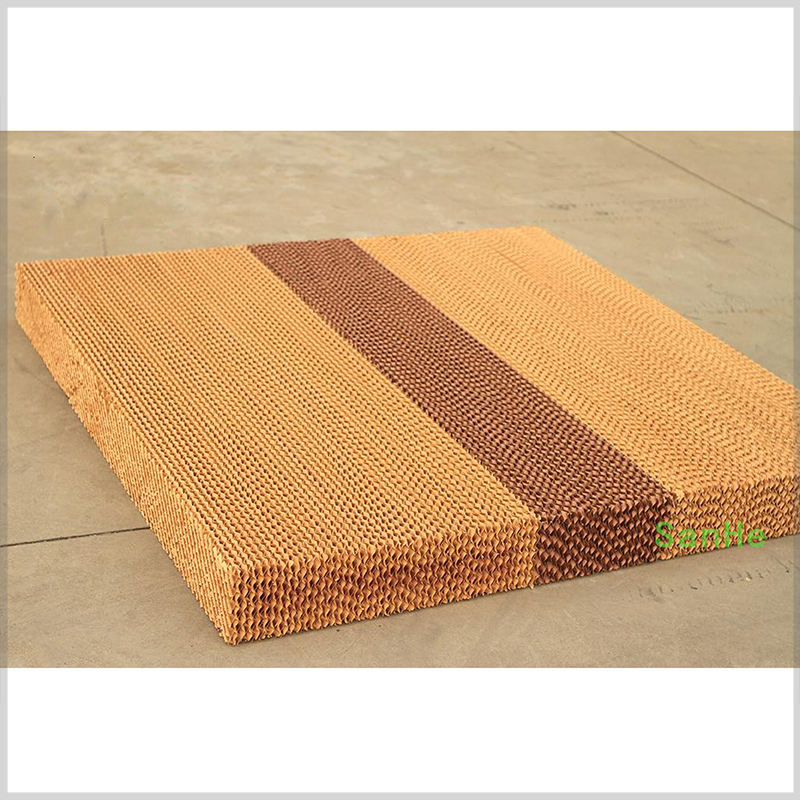
Air cooler pad prices can vary significantly
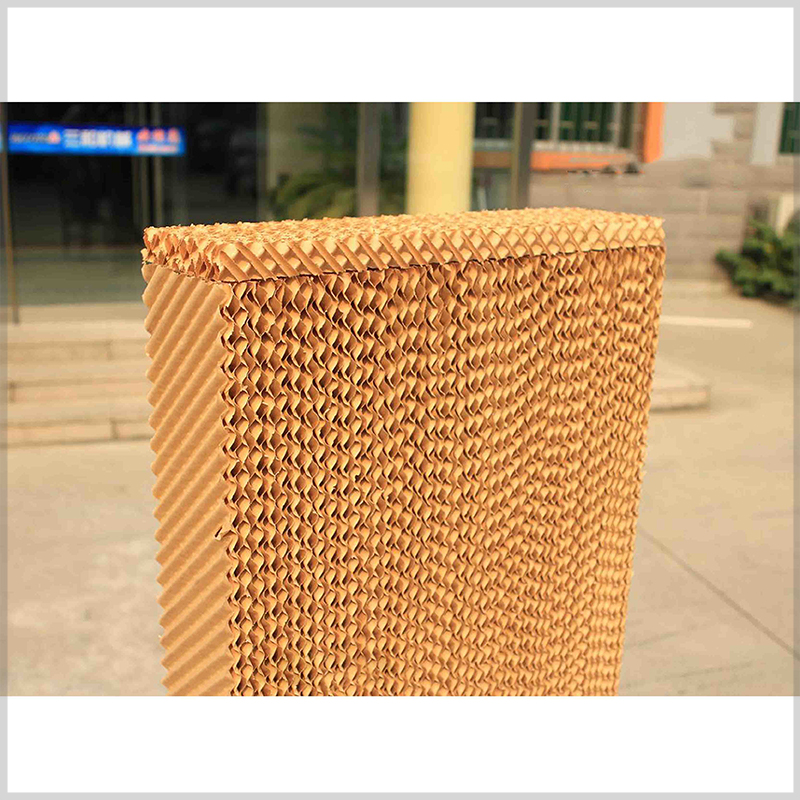
Air cooler pad prices can vary significantly based on several key factors. Material selection is one of the most influential aspects, as different materials offer varying levels of performance and durability. Common materials used in air cooler pads include cellulose, fiberglass, and plastic, each affecting the overall cost. For example, chicken nipple drinker cellulose pads often provide better moisture retention and cooling efficiency, but they may come at a higher price compared to basic plastic options.
Another factor is the size and thickness of the pads. Larger and thicker pads generally cost more due to the increased material usage and manufacturing complexity. Additionally, the manufacturing process itself—whether the pads are produced in bulk or require custom sizes—can impact pricing.


 Sophie Dong

