
 EN
 AR
 BG
 DA
 NL
 FR
 DE
 EL
 HI
 IT
 JA
 KO
 PL
 PT
 RO
 RU
 ES
 SV
 TL
 ID
 LV
 LT
 SR
 UK
 VI
 HU
 TH
 TR
 FA
 MS
 GA
 AZ
 BN
 LA
 MN
 MY
 KK
 UZ
 KY
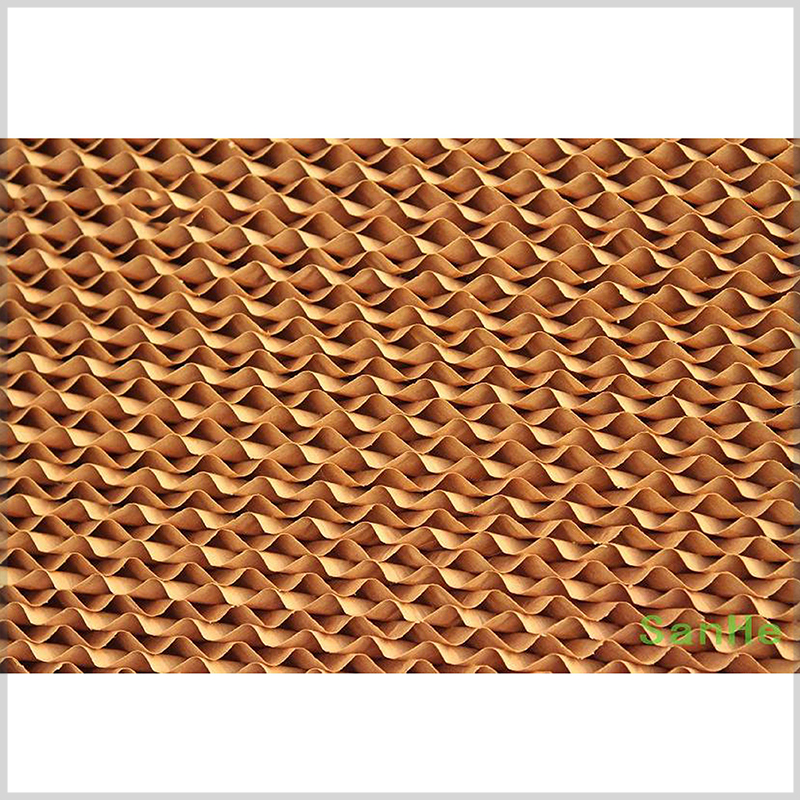
Air cooler cooling pads play a crucial role in enhancing the efficiency of evaporative cooling systems, making them a key component for various applications in industrial and commercial settings. For B2B buyers, selecting the right cooling pad can be daunting due to the range of materials, specifications, and performance standards available. This swine feeding equipment article will guide purchasing managers, distributors, and engineers through essential considerations when sourcing air cooler cooling pads, helping them make informed decisions that align with their operational needs.


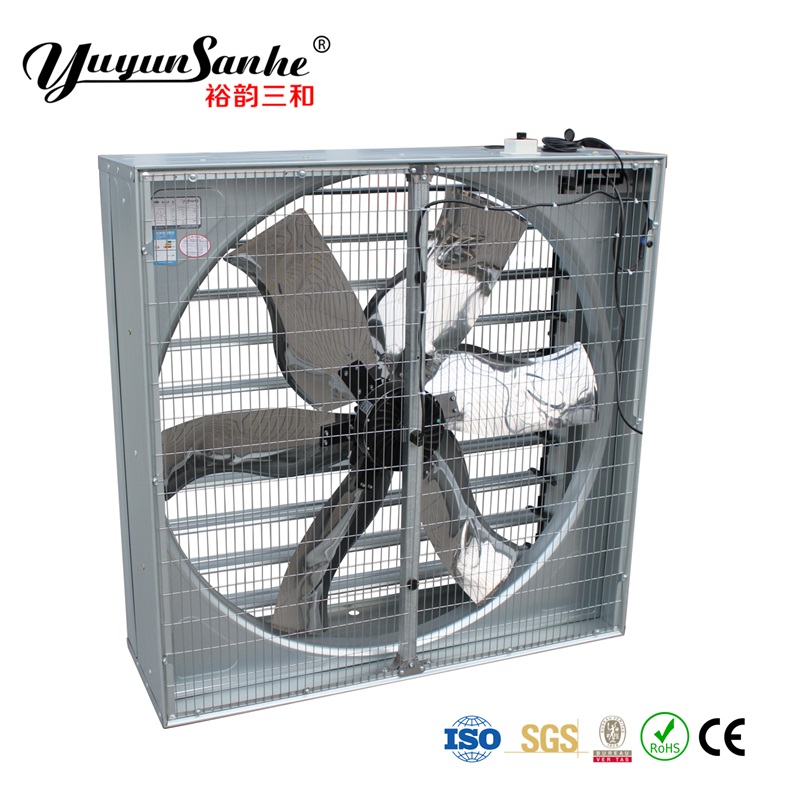
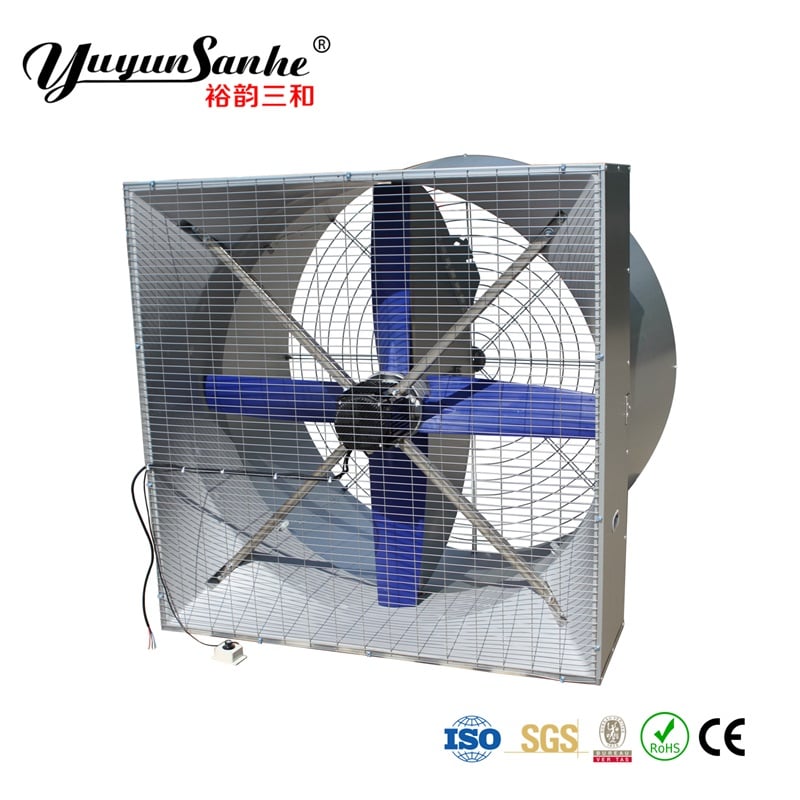
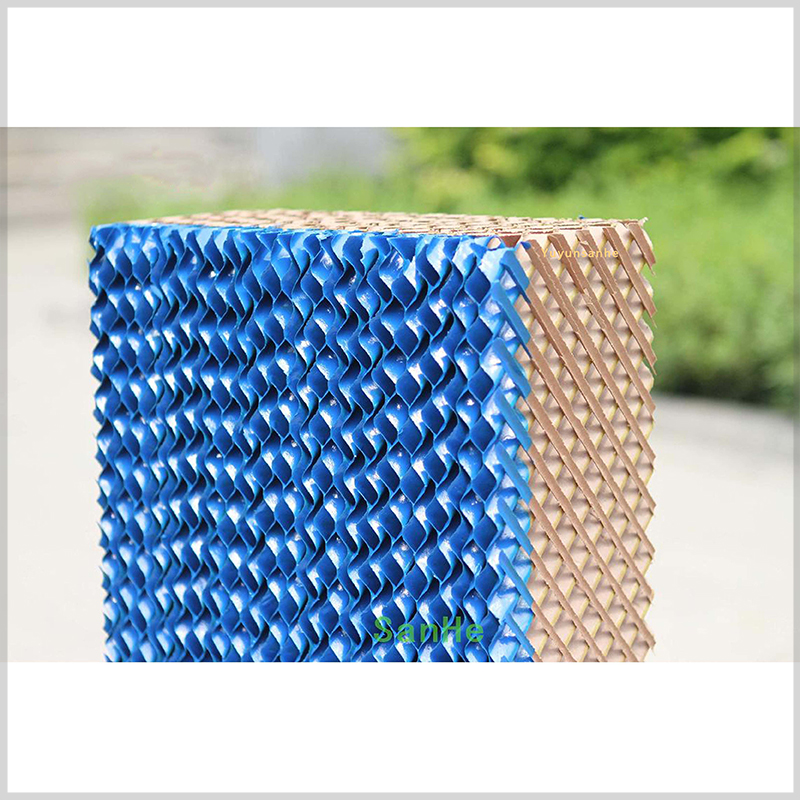
When sourcing air cooler cooling pads
When sourcing air cooler cooling pads, several key specifications should be evaluated to ensure optimal performance:
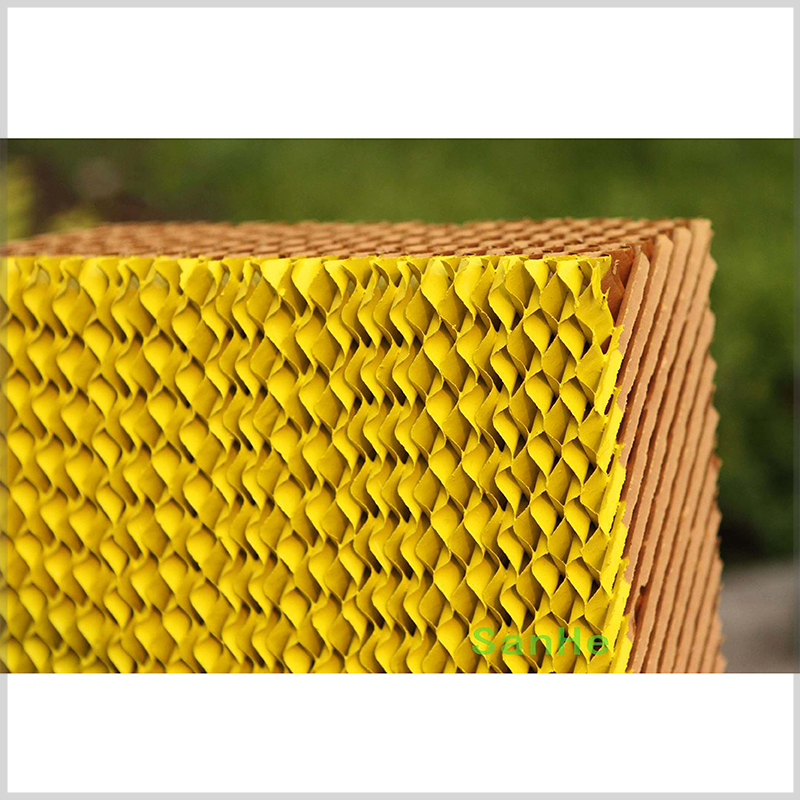
Material Type: The material directly impacts the pad’s cooling efficiency and lifespan. As mentioned, cellulose pads offer superior absorption, while synthetic options may provide better durability.
Thickness: The thickness of cooling pads typically ranges from 1 to 8 inches. Thicker pads can hold more water, enhancing cooling efficiency but may also increase airflow resistance.
Dimensions: Ensure the dimensions of the cooling pad fit your air cooler unit. A proper fit is crucial for maximizing airflow and cooling performance.
Surface Area: The greater the surface area, the more effective the pad will be at evaporating water and cooling the air.

 Sophie Dong

