Key Specifications for Air Circulator Fans

All Categories

Air circulator fan

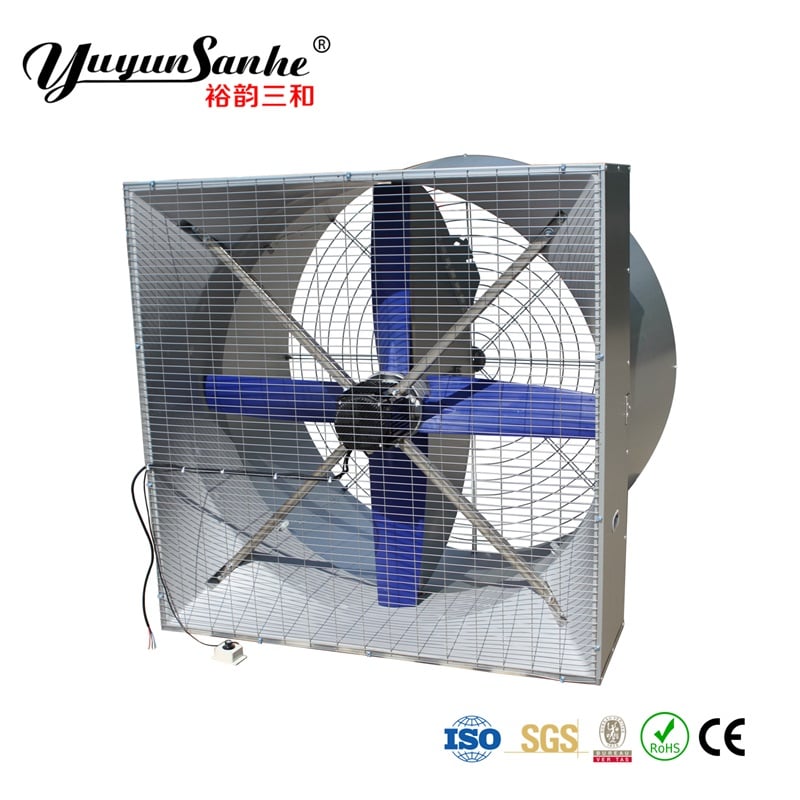
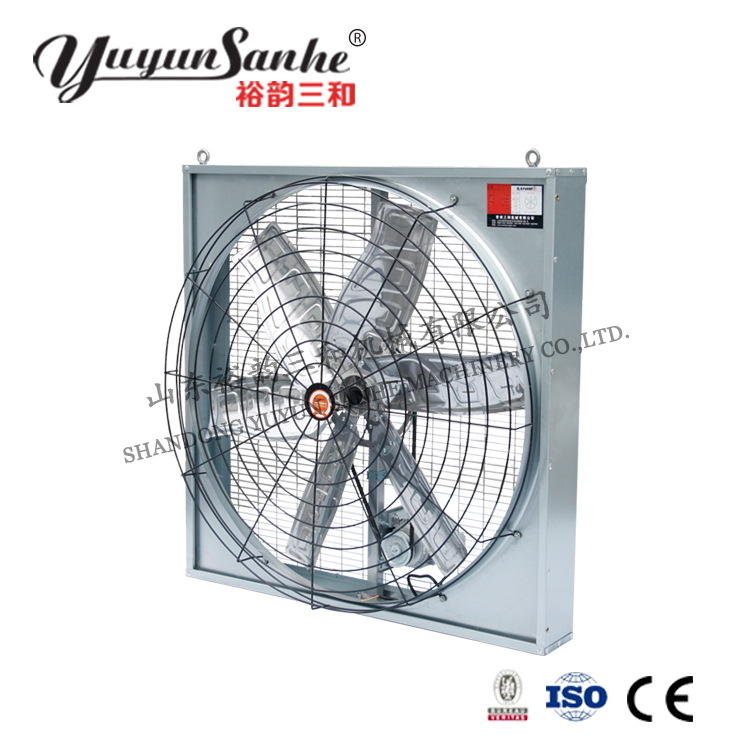
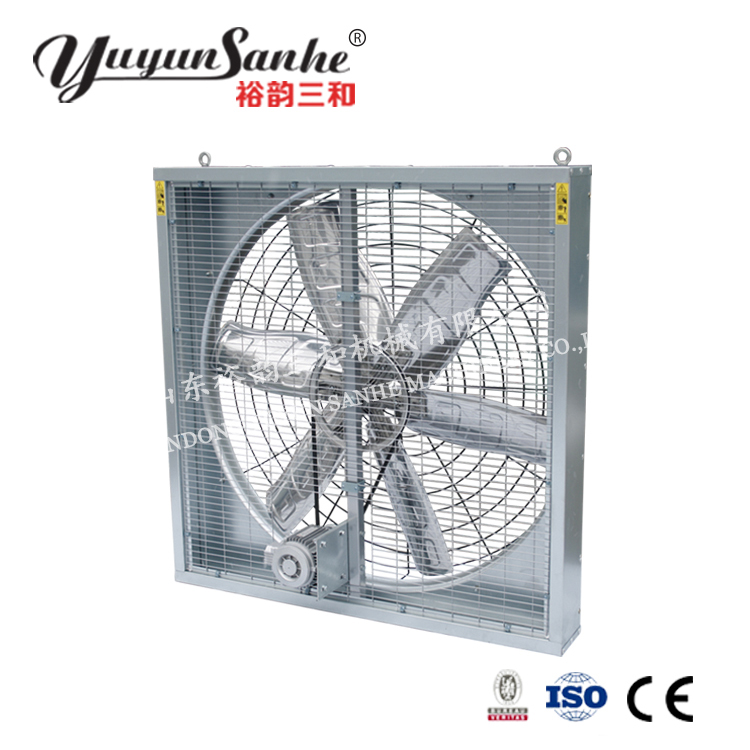
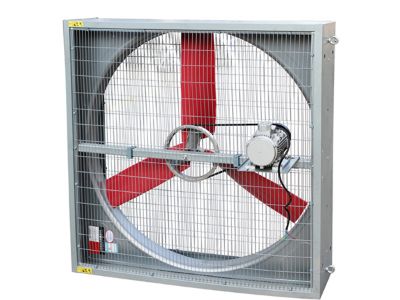
Air circulator fans are essential tools for maintaining optimal airflow and temperature control in various environments, from industrial facilities to commercial spaces. For B2B buyers, understanding the intricate specifications, cost factors, installation requirements, and potential issues associated with air circulator fans is crucial for making informed purchasing decisions. This poultry feeding system article aims to provide a comprehensive overview of these considerations to help professionals, such as purchasing managers and engineers, select the right air circulator fan for their specific needs.

When purchasing air circulator fans in bulk

When purchasing air circulator fans in bulk

When purchasing air circulator fans in bulk, various cost factors must be considered to ensure that you receive the best value for your investment: 

Unit Price: Typically, air circulator fans the unit price decreases as the order quantity increases. Always request a detailed quotation that outlines pricing tiers based on volume to understand potential savings. 

Shipping Costs: Bulk orders often incur higher shipping costs due to the weight and size of the shipment.  Consider these costs in your overall budget and explore options for freight shipping if necessary. 

Lead Time: Production lead times can vary based on order size and customization requirements. 
Correct installation of air circulator fans

Correct installation of air circulator fans

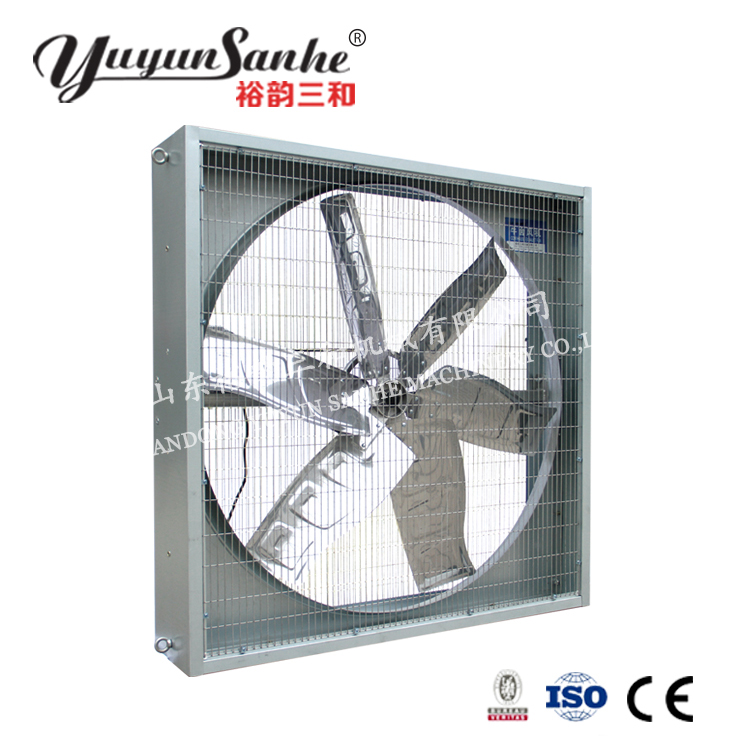
Correct installation of air circulator fans is vital for ensuring optimal performance. Here are some key considerations for various applications: 

Industrial Settings: In factories or warehouses, breeding equipment fans should be installed to maximize airflow across workstations. Ceiling-mounted fans can be effective for large spaces, while portable fans may be used to direct airflow to specific areas. 

Commercial Spaces: For retail environments, air circulator fans consider placing fans near entrances or high-traffic areas to improve comfort for customers. Ensure the fan is positioned away from merchandise to avoid disturbances. 

Agricultural Use: In breeding facilities or greenhouses, proper fan placement is crucial to maintain consistent temperature and humidity levels. Fans should be positioned to create cross-ventilation and prevent hot spots. 

Understanding potential issues with air circulator fans

Understanding potential issues with air circulator fans

Understanding potential issues with air circulator fans can help buyers proactively address problems that may arise during operation: 

Insufficient Airflow: If the fan is not producing adequate airflow, it may be due to blockages or an incorrect size for the application. Periodic inspections can identify and resolve obstructions, while assessing fan specifications ensures the right match for the space. 

Excessive Noise: Noisy operation can result from loose components or motor issues. Regular maintenance checks and tightening loose screws can help mitigate noise. If the problem persists, consulting with the manufacturer for repair options may be necessary. 

Electrical Failures: Inconsistent power supply or faulty wiring can lead to electrical issues. 

The materials used in the construction of air circulator fans

The materials used in the construction of air circulator fans significantly impact their performance and durability. Here are some critical considerations regarding materials: 

Housing: The fan's housing is typically made from high-quality plastics or metals. Plastic housings are lightweight and resistant to corrosion, making them suitable for various environments. Metal housings, while heavier, offer enhanced durability and may be preferable in industrial settings. 

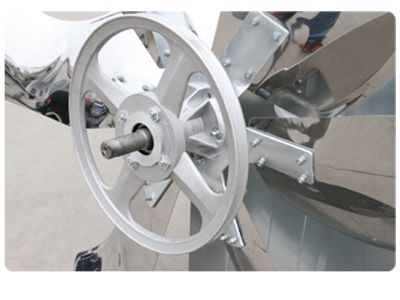
Blades: Fan blades can be constructed from plastic or metal as well. Plastic blades are often lightweight and provide adequate performance for most applications, while metal blades may deliver higher airflow and durability in demanding environments. 

Motors: The motor type and material can affect performance. High-efficiency motors not only consume less energy but also provide more consistent airflow. Buyers should inquire about the motor specifications to ensure they align with performance needs. 

Frequently Asked Questions

What is the air circulator fan used for?

Our air circulator fan improves air circulation in homes, farms, factories, and greenhouses to reduce hotspots, enhance ventilation, and support heating/cooling efficiency.
Manufactured in our 30,000 sqm factory, the fan meets ISO9001 quality management and carries CE and RoHS certifications.
We offer multiple power ratings and diameters to suit small rooms, industrial halls, and breeding houses; contact us with required airflow or room size for recommendations.
Installation is straightforward with supplied instructions; routine maintenance includes cleaning blades, checking mounts and wiring, and periodic lubrication as per manual.
Yes. We export to over 70 countries and provide technical support, warranty service, and spare parts through our sales and service teams.

Our Blog Posts

The Role of Climate Control Equipment in Breeding Facilities

11

Oct

The Role of Climate Control Equipment in Breeding Facilities

About Shandong Yuyun Sanhe Machinery Co., Ltd. Established in 2000, Shandong Yuyun Sanhe Machinery Co., Ltd is a professional manufacturer of air processing products and air processing projects. Located in a manufacturing base of 30,000 square meters...
View More
What Makes an Effective Greenhouse Ventilation System?

18

Nov

What Makes an Effective Greenhouse Ventilation System?

Qualities of an Efficient Greenhouse Ventilation SystemGreenhouses require good air flow to keep plants strong and healthy-looking. That means that the air inside — in and around the plants — must move around freely, so the plants can breathe in all ...
View More
Whats the Ideal Air Exchange Rate for Greenhouse Ventilation?

23

Nov

Whats the Ideal Air Exchange Rate for Greenhouse Ventilation?

Greenhouses are essentially giant glass houses for plants, and plants, like people, need fresh air to be healthy. And that’s when air exchange is important. The key is simply to exchange the old air inside the greenhouse with the fresh air from outdo...
View More
How Feed Silos Improve Storage Efficiency in Livestock Farming

12

Dec

How Feed Silos Improve Storage Efficiency in Livestock Farming

Feed silos are large towers that farmers have on their own farms where they keep the food for animals. These silos enable farmers to store large amounts of feed, while keeping it safe and fresh. This helps ensure that the animals are always well fed ...
View More

Get In Touch

Sophie Dong
Lorna Gao