Essential Guide to Wall Mounted Axial Fans

All Categories

wall mounted axial fan

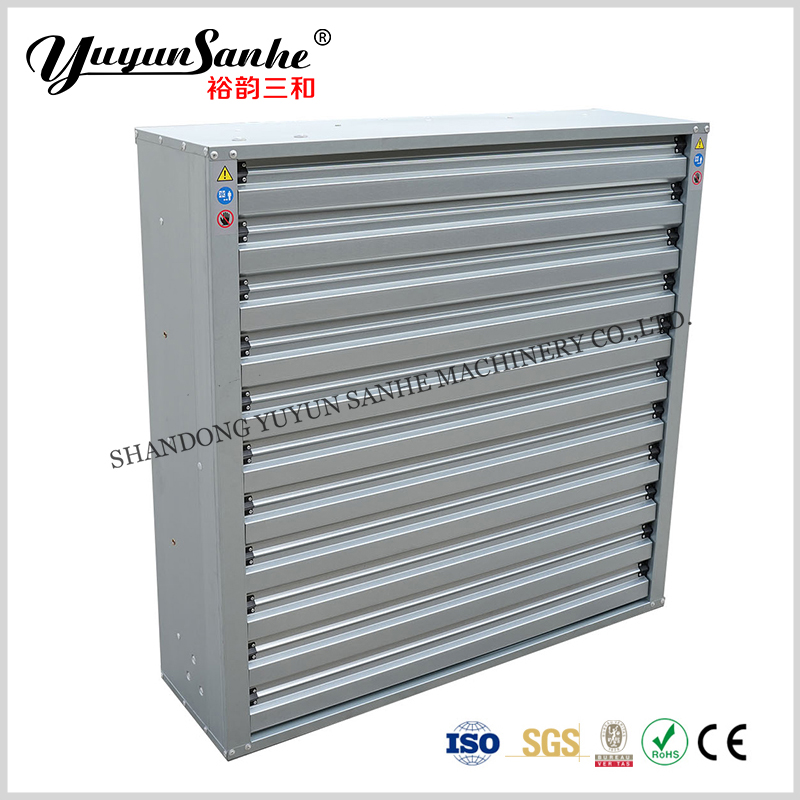
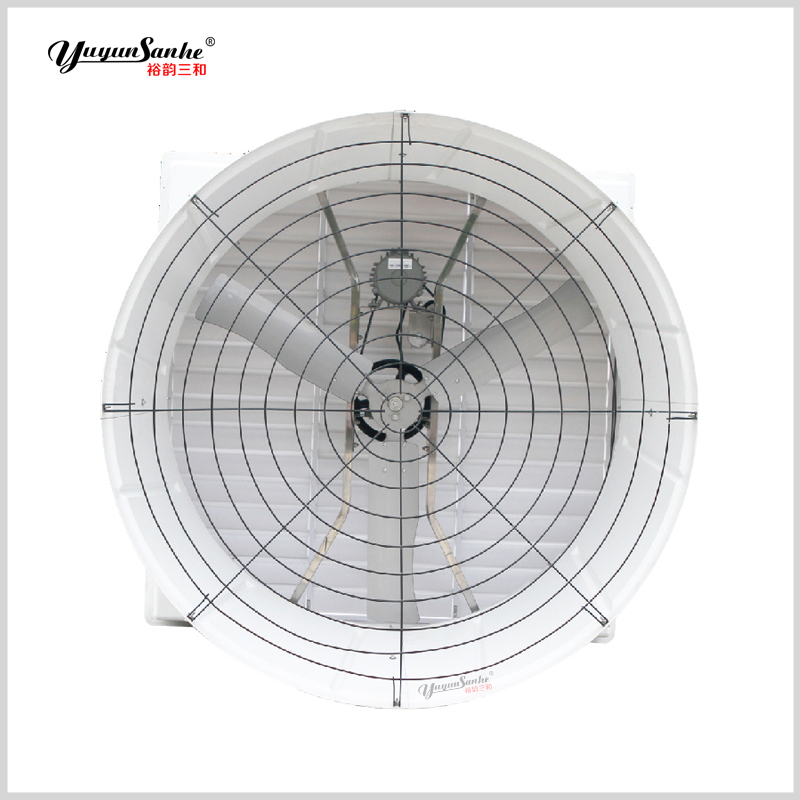
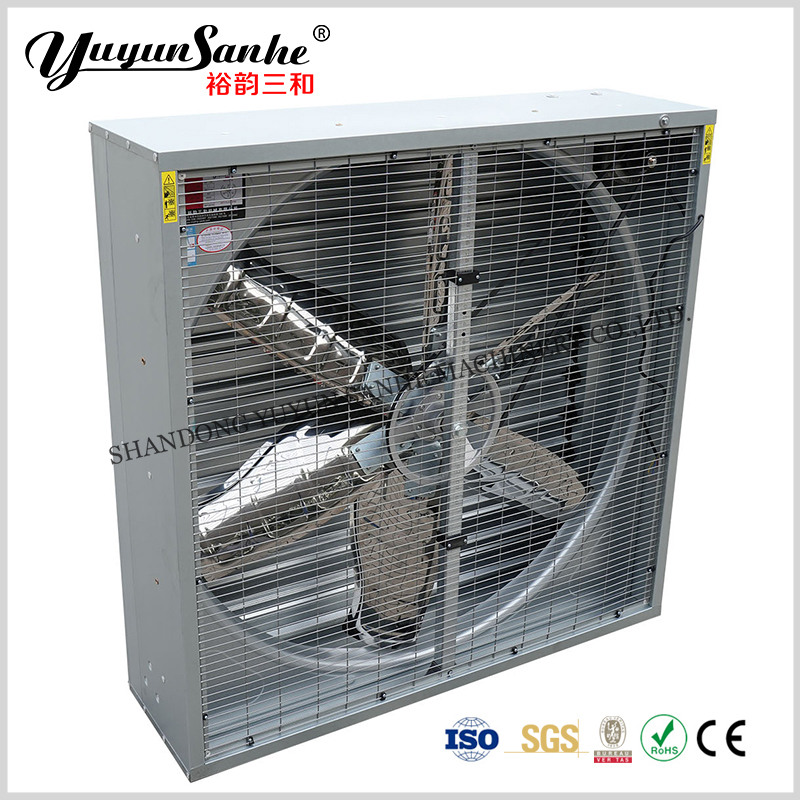
Wall mounted axial fans are essential components in various industrial and commercial settings, designed to enhance ventilation and cooling. For B2B buyers, understanding their specifications, installation processes, and applications is crucial for making informed purchasing decisions. This article will guide you through evaluating wall mounted axial fan specifications, key considerations for contractors, installation processes, industry applications, and the material advantages that ensure long-term performance.
Key Factors for Contractors

Key Factors for Contractors

Contractors play a pivotal role in the selection and installation of wall mounted axial fans. Here are key factors they should consider:

Compatibility with Existing Systems: Ensure that the fan is compatible with existing ductwork and ventilation systems. This includes verifying dimensions and airflow requirements.

Mounting Options: Wall mounted axial fans can have different mounting configurations. Contractors should assess the installation space to determine the appropriate mounting method, whether surface-mounted or recessed.

Electrical Requirements: Understanding the electrical specifications, such as voltage and phase, is essential for ensuring proper installation and operation.

Regulatory Compliance: Familiarize yourself with local building codes and regulations regarding fan installations. Compliance with these standards is critical to avoid costly modifications and ensure safety.

Maintenance Considerations: Choose fans that allow for easy access during maintenance. This can help minimize downtime and maintenance costs. Regular maintenance is crucial to ensure the longevity of equipment such as Exhaust Fans.

By addressing these factors, contractors can facilitate a smoother installation process and enhance the overall performance of the ventilation system.
Understanding the Installation Process for Wall Mounted Axial Fans

Understanding the Installation Process for Wall Mounted Axial Fans

The installation process for wall mounted axial fans involves several critical steps:

Site Assessment: Before installation, conduct a thorough assessment of the site to determine the optimal location for the fan. Consider airflow patterns, clearance requirements, and potential obstructions.

Prepare the Mounting Surface: Ensure the wall surface is structurally sound and capable of supporting the fan's weight. Any necessary reinforcements should be made prior to installation.

Electrical Setup: Install electrical connections according to the fan's specifications and local codes. This may involve running wiring from the power source to the fan's motor.

Mount the Fan: Secure the fan to the wall using the appropriate mounting hardware. Ensure it is level and properly aligned to prevent vibrations and noise.

Test the System: After installation, conduct thorough testing to verify the fan operates as intended. Check for proper airflow, noise levels, and any potential issues.

By following these steps, installers can ensure that wall mounted axial fans function efficiently and effectively.

Applications of Wall Mounted Axial Fans in Various Industries

Applications of Wall Mounted Axial Fans in Various Industries

Wall mounted axial fans find applications across a range of industries, including:

Manufacturing: In factories, these fans are used to ventilate workspaces, control temperature, and reduce humidity levels, improving worker comfort and safety.

Agriculture: In livestock and poultry farming, these fans provide essential airflow to maintain optimal environmental conditions, promoting animal health and productivity. Utilizing Poultry Equipment alongside these fans can further enhance farm management.

Commercial Buildings: In retail spaces and warehouses, wall mounted axial fans help regulate temperature and air quality, enhancing the shopping experience and preserving inventory.

Food Processing: These fans are crucial in food processing facilities for maintaining hygiene standards and controlling temperature during production.

HVAC Systems: Integrated into HVAC systems, wall mounted axial fans contribute to effective air circulation, ensuring consistent heating or cooling throughout a building.

Understanding the specific applications of wall mounted axial fans allows buyers to select the right model for their needs.

Material Advantages of Wall Mounted Axial Fans for Long-term Use

The materials used in wall mounted axial fans significantly impact their longevity and performance. Here are some advantages of commonly used materials:

Galvanized Steel: Known for its strength and corrosion resistance, galvanized steel is an excellent choice for environments where humidity or chemicals are present. It provides durability and withstands harsh conditions.

Aluminum: Lightweight and resistant to corrosion, aluminum is often used in applications where weight savings are crucial. It also offers good thermal conductivity, making it suitable for high-temperature environments.

Plastic: High-density polyethylene (HDPE) or other plastics can be used for fans exposed to moisture or corrosive elements. They are lightweight and resistant to rust, making them ideal for certain agricultural applications.

Coatings: Many fans come with protective coatings that enhance their resistance to corrosion and wear. Buyers should inquire about these coatings to ensure they meet the demands of their specific application.

Selecting the right material based on environmental conditions and application requirements can lead to longer-lasting and more effective wall mounted axial fans.

In summary, understanding the specifications, installation processes, applications, and material advantages of wall mounted axial fans is essential for making informed purchasing decisions. By considering these factors, buyers can ensure they select the right fan that meets their operational needs and contributes to efficient ventilation and cooling in their facilities.

Frequently Asked Questions

What is the wall mounted axial fan used for?

Designed for ventilation, cooling, heating and livestock barns, it moves large air volumes to improve air circulation, temperature control, and indoor air quality in industrial and agricultural settings.
We offer multiple diameters and motor power options with varying airflow (CFM) and RPM. Contact us with your space size and required airflow for recommended models.
Our fans are produced in a 30,000 sqm factory with professional R&D and strict QC. They are certified to ISO9001, CE, and RoHS standards.
Mount on a sturdy wall or frame using appropriate anchors, follow the supplied installation guide, ensure correct electrical wiring by a qualified electrician, and observe clearance and vibration isolation.
We provide product warranty and technical support. Contact our sales team with model and serial number for warranty service, spare parts, or maintenance guidance.

Our Blog Posts

How to choose the best Industrial Air Conditioner

19

Jul

How to choose the best Industrial Air Conditioner

Choosing right industrial air conditioner real important for any business. Good AC can make big differnce in comfort of your workspace. If air too hot or too cold, it affect how well employees works. YuyunSanhe knows alot about industrial cooling and...
View More
Why Heavy Hammer Exhaust Fans Are the Best Solution for Warehouse Ventilation

21

Mar

Why Heavy Hammer Exhaust Fans Are the Best Solution for Warehouse Ventilation

When you hear the word warehouse, you may think of a giant room full of boxes and machines. So these spaces can be very busy and essential for industries. However, have you ever realized how important it is to have great airflow in such areas? Proper...
View More
The Role of Feed Silos in Automated Feeding Systems

17

Dec

The Role of Feed Silos in Automated Feeding Systems

Feed Silos Are Very Important in The Automatic Animal Feed Production Line Which can store a variety of feeds in large numbers to meet various industrial production. High Quality Feed Silo Make Work More Efficient Maximize Your Savings For whole...
View More
How Industrial Ventilation Fans Improve Airflow Efficiency?

08

Feb

How Industrial Ventilation Fans Improve Airflow Efficiency?

Industrial ventilation fans play big role to keep air moving around in factories and other work places. They make sure air stay fresh and clean mostly. When air flow good, workers feel more comfortable and stay healthy too. For example in factory wit...
View More

Get In Touch

Sophie Dong
Lorna Gao