
 EN
 AR
 BG
 DA
 NL
 FR
 DE
 EL
 HI
 IT
 JA
 KO
 PL
 PT
 RO
 RU
 ES
 SV
 TL
 ID
 LV
 LT
 SR
 UK
 VI
 HU
 TH
 TR
 FA
 MS
 GA
 AZ
 BN
 LA
 MN
 MY
 KK
 UZ
 KY
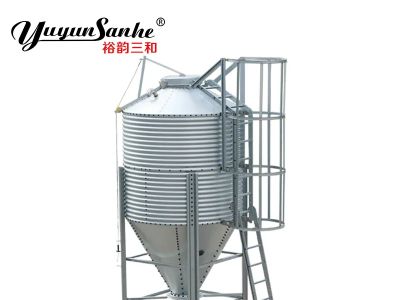
Storage containers for chicken feed are essential for ensuring the preservation of feed quality and preventing spoilage. These containers not only protect feed from moisture, pests, and contamination but also help in managing feed inventory effectively. For B2B buyers, such as purchasing managers, distributors, and product managers, understanding the critical specifications, materials, and best practices associated with these containers is vital for making informed purchasing decisions. This article provides detailed insights into what to consider when selecting storage containers for chicken feed, helping buyers identify the right products for their needs.
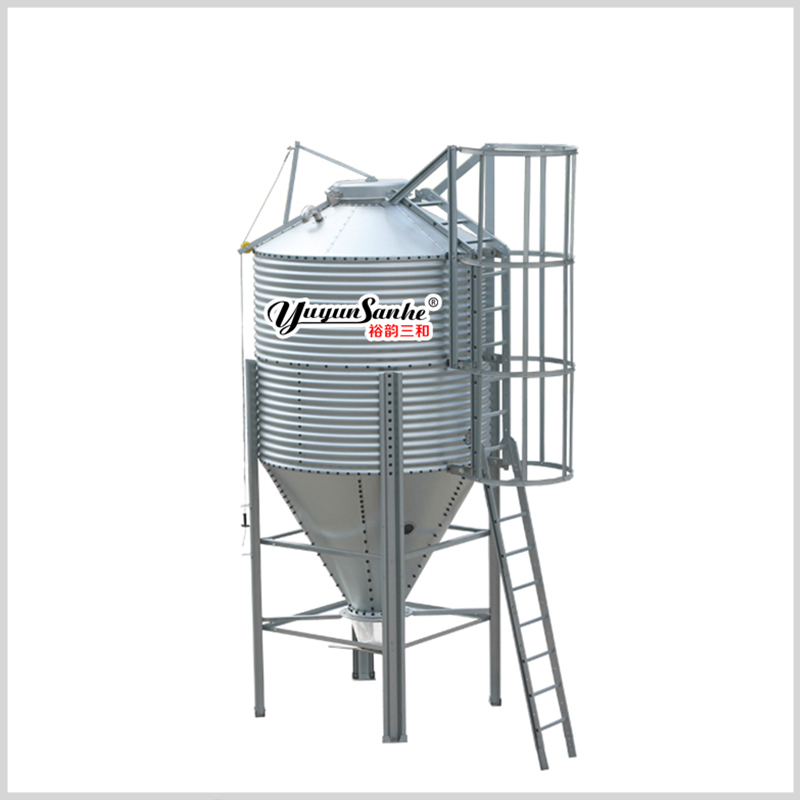
Understanding Specifications for Chicken Feed Storage Containers
Specifications for chicken feed storage containers can vary significantly, impacting their performance and suitability for specific applications. Here are some essential specifications to understand:
Capacity: This is typically measured in liters or cubic feet. Selecting the correct capacity ensures you can store the required amount of feed without overflow or underutilization.
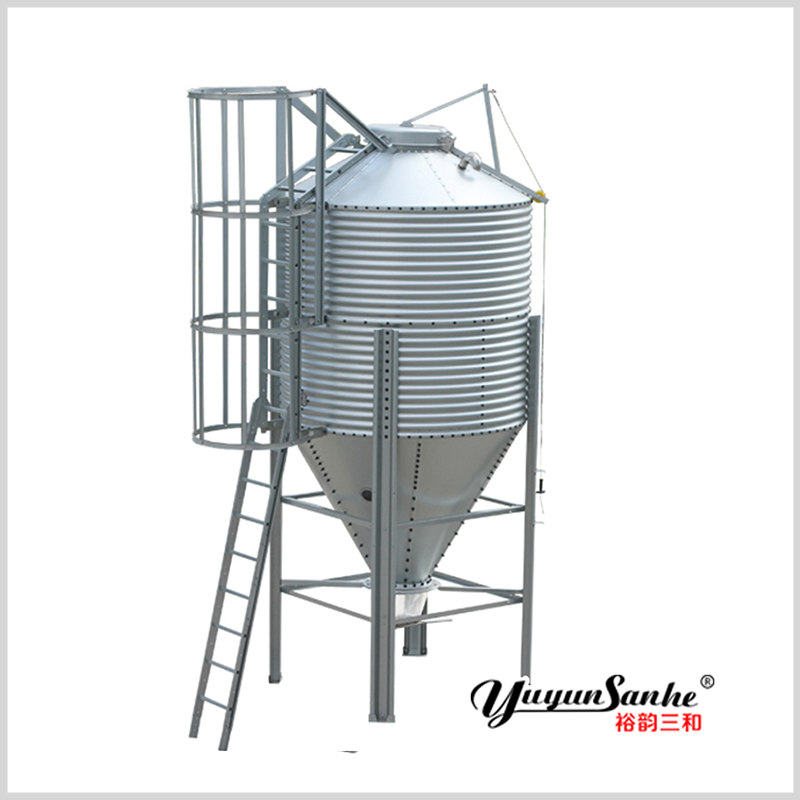
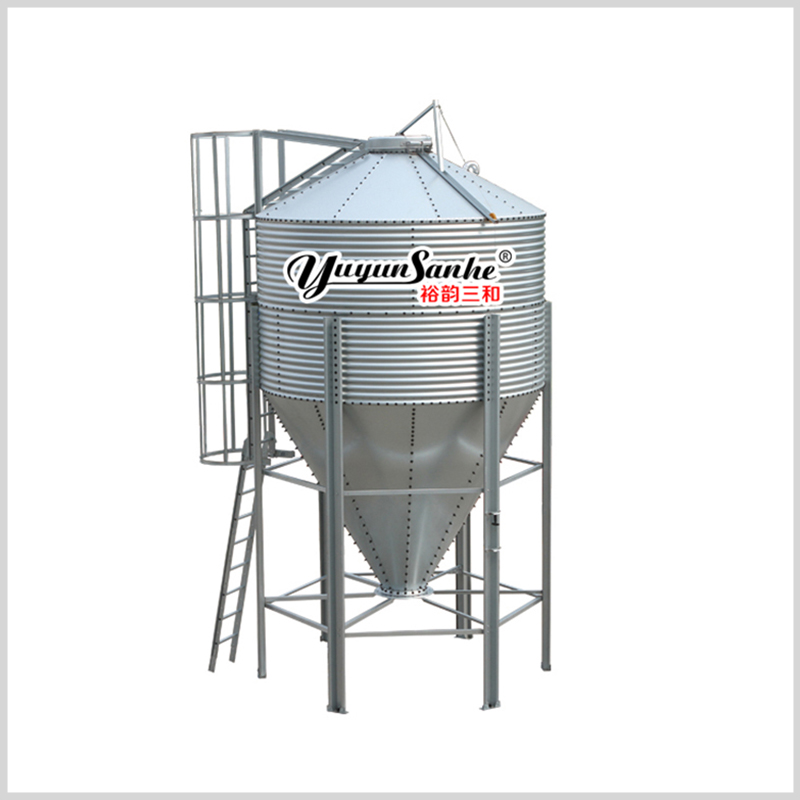
Material: Common materials include steel, plastic, and fiberglass. Each material has unique properties affecting durability, weight, and resistance to environmental factors. For example, galvanized steel containers provide excellent durability but may be heavier than plastic options. Additionally, maintenance-free variable speed direct drive exhaust fans can be beneficial in maintaining optimal conditions around these containers.
Dimensions: The height, width, and depth of the container should be appropriate for the intended storage area. Additionally, ensure that the dimensions allow for easy access and filling.
Seal Type: The type of seal (e.g., rubber gaskets, clamping seals) affects the container's ability to keep out moisture and pests. Understanding how different seals function can help you choose a container that best fits your storage conditions.
Stackability and Portability: If space is limited, stackable containers may be beneficial. Additionally, considering the weight and design can help with transportation and placement within your facility.
 Sophie Dong

