
 EN
 AR
 BG
 DA
 NL
 FR
 DE
 EL
 HI
 IT
 JA
 KO
 PL
 PT
 RO
 RU
 ES
 SV
 TL
 ID
 LV
 LT
 SR
 UK
 VI
 HU
 TH
 TR
 FA
 MS
 GA
 AZ
 BN
 LA
 MN
 MY
 KK
 UZ
 KY
Poultry farm fans are essential components of modern poultry operations, designed to enhance ventilation and maintain optimal climate conditions within poultry houses. Selecting the right fans is crucial for ensuring the health and productivity of the birds, as well as for the overall energy efficiency of the farm. This article will guide you through key considerations for choosing poultry farm fans, including specifications, cost factors, installation guidance, and their applications in contemporary farming practices.
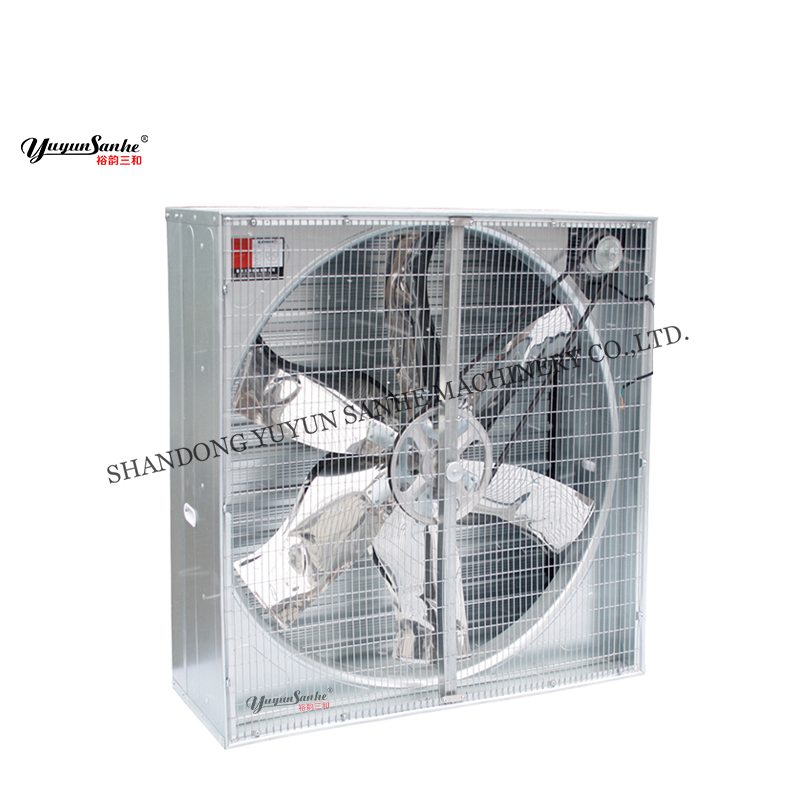
How to Compare Poultry Farm Fans for Optimal Performance
When evaluating poultry farm fans, several key specifications should be prioritized:
Airflow Capacity: Measured in cubic feet per minute (CFM), airflow capacity indicates how much air the fan can move. Select a fan with sufficient CFM to meet the ventilation needs of your poultry house.
Fan Diameter: The diameter impacts both airflow and efficiency. Larger diameter fans can move air more effectively over greater distances, making them suitable for larger spaces.
Motor Power: Consider the motor’s horsepower (HP) rating, which determines the fan's operational strength. A more powerful motor can drive larger blades, generating more airflow.
Blade Design: The shape and angle of the blades affect airflow efficiency. Fans designed with aerodynamic blades can enhance air movement while reducing energy consumption.
Material Composition: Durable materials such as galvanized steel or high-density polyethylene (HDPE) should be chosen for longevity and resistance to environmental factors like humidity and dust. Understanding these specifications allows buyers to make informed decisions, ensuring that the chosen fans align with the operational goals and environmental conditions of their poultry farms. For instance, incorporating Swine Equipment can also provide additional support for various farming needs.
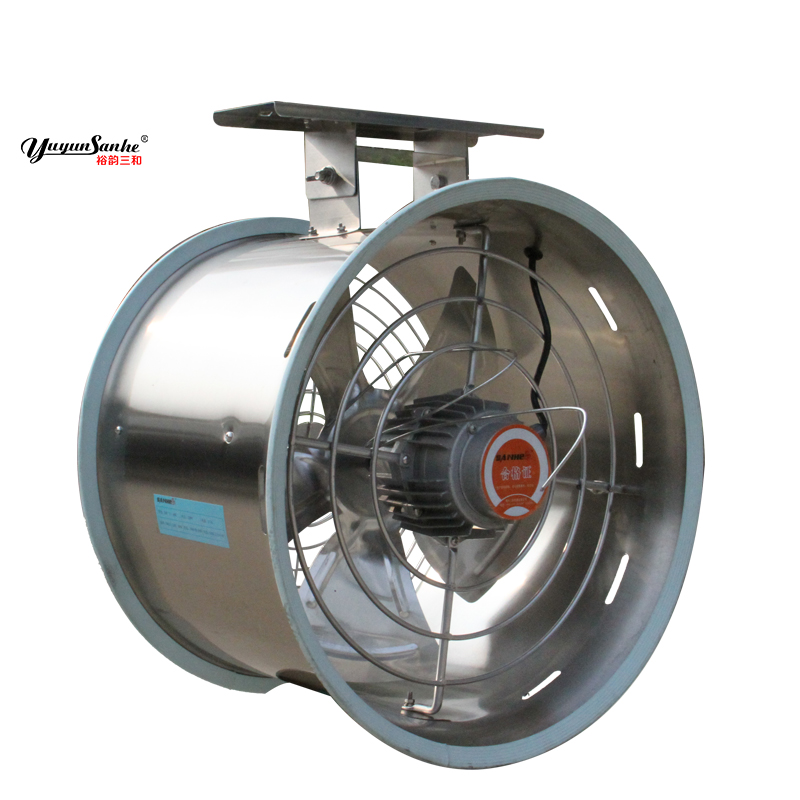
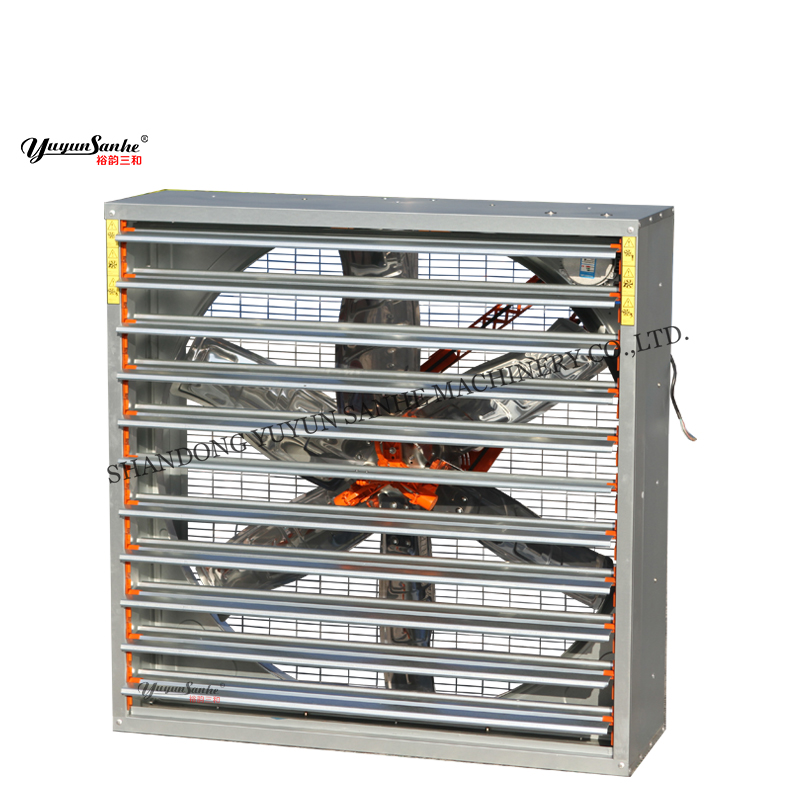


 Sophie Dong

