
 EN
 AR
 BG
 DA
 NL
 FR
 DE
 EL
 HI
 IT
 JA
 KO
 PL
 PT
 RO
 RU
 ES
 SV
 TL
 ID
 LV
 LT
 SR
 UK
 VI
 HU
 TH
 TR
 FA
 MS
 GA
 AZ
 BN
 LA
 MN
 MY
 KK
 UZ
 KY
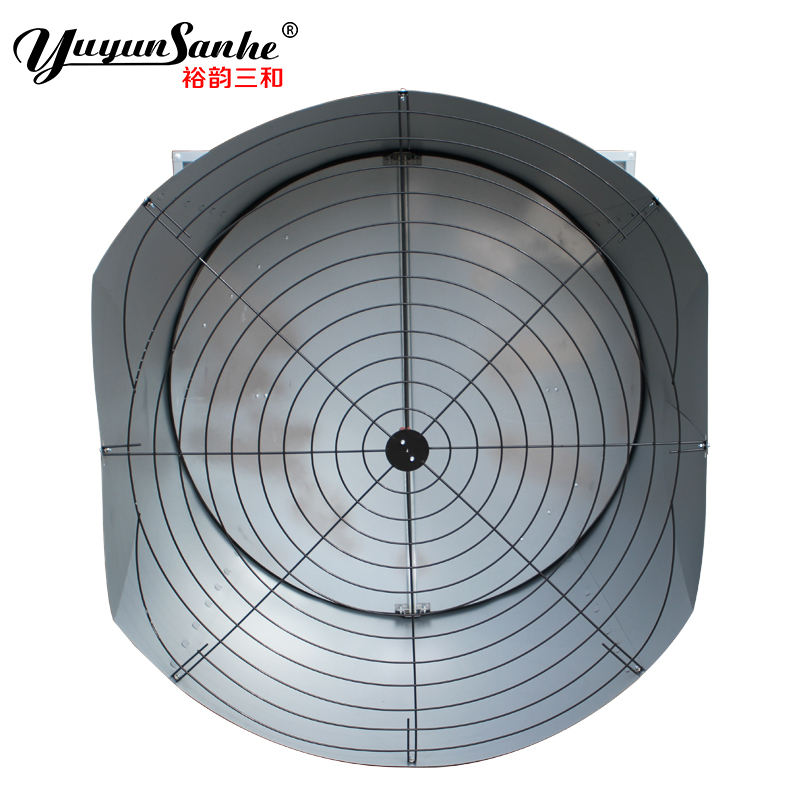
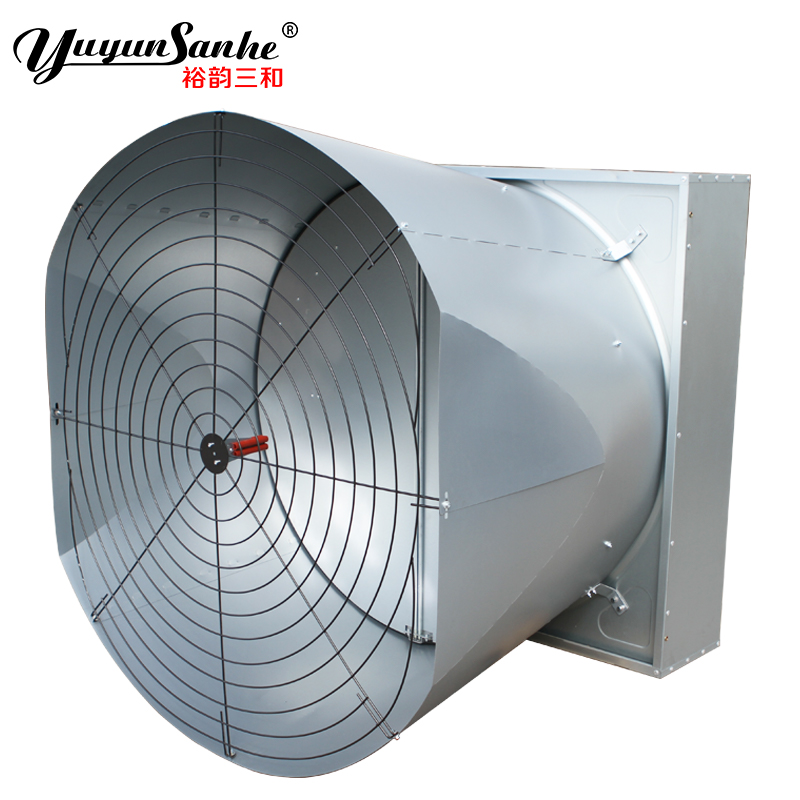
Industrial type wall mounted exhaust fans are essential components in various manufacturing and commercial environments, designed to effectively remove stale air, odors, and excess moisture while improving air quality. For purchasing managers and engineers, understanding the specifications, installation requirements, and common issues related to these fans is crucial for making informed decisions. This article will provide practical insights, helping you navigate the complexities of sourcing high-quality wall mounted exhaust fans for your specific applications.
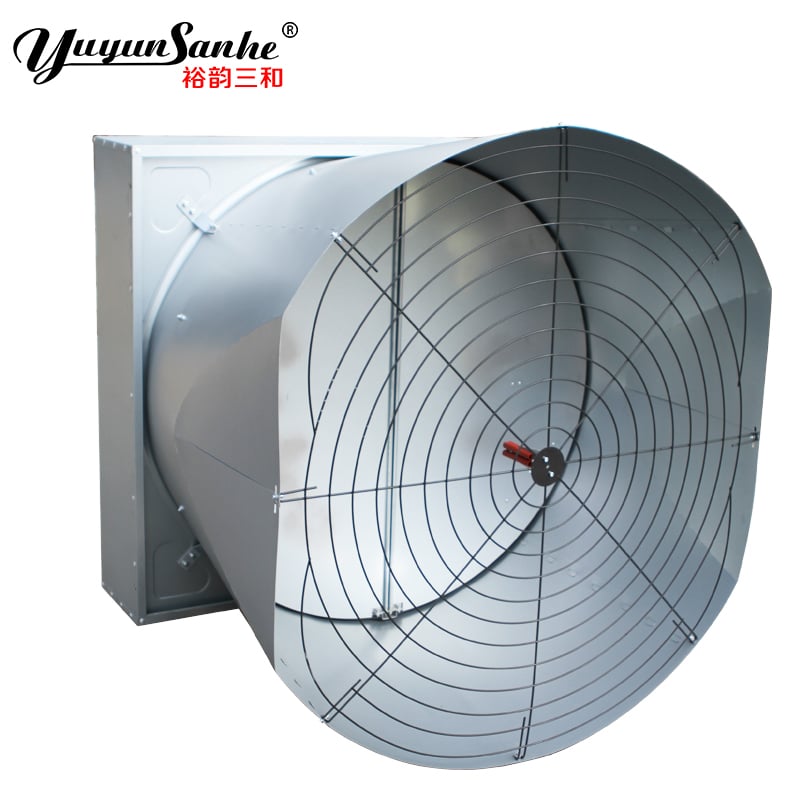
Key Specifications of High-Quality Wall Mounted Exhaust Fans
High-quality wall mounted exhaust fans should have specific technical specifications to ensure optimal performance. Key specifications include:
Airflow Capacity (CFM): This indicates how much air the fan can move. Calculate the required CFM based on the space size and ventilation needs.
Static Pressure: Measured in inches of water gauge (in. wg), this indicates the resistance the fan can overcome, which is vital for ducted applications.
Motor Power: Typically expressed in horsepower (HP) or watts, the motor power must be adequate to handle the specified airflow and static pressure.
Blade Design: The blade pitch and shape affect airflow efficiency and noise levels. High-efficiency blades can improve performance and reduce energy consumption.
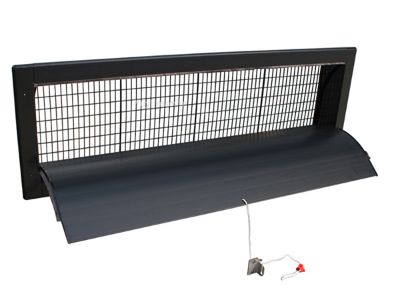
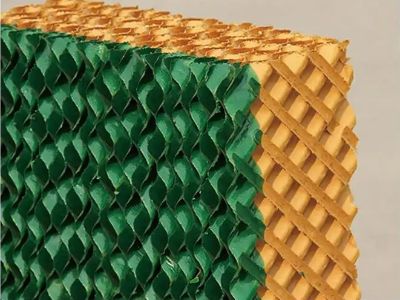
Construction Materials: As mentioned, the material of the fan casing and blades plays a critical role in durability and resistance to environmental factors. Choosing a fan with high-quality Other Accessaries can enhance its overall performance.
Noise Levels: Measured in decibels (dB), the noise level should align with the operational environment's requirements.
When sourcing, ensure that the specifications align with your application requirements and consider consulting with the manufacturer for tailored advice.


 Sophie Dong

