
 EN
 AR
 BG
 DA
 NL
 FR
 DE
 EL
 HI
 IT
 JA
 KO
 PL
 PT
 RO
 RU
 ES
 SV
 TL
 ID
 LV
 LT
 SR
 UK
 VI
 HU
 TH
 TR
 FA
 MS
 GA
 AZ
 BN
 LA
 MN
 MY
 KK
 UZ
 KY
Industrial extractor fans are essential components in various manufacturing and commercial applications, designed to effectively remove airborne contaminants, heat, and moisture from enclosed spaces. For businesses looking to enhance workplace safety and environmental control, selecting the right industrial extractor fan is paramount. This article addresses key considerations for B2B buyers, including specifications, supplier reliability, installation guidance, and common issues that may arise, ensuring that you make informed purchasing decisions tailored to your specific operational needs.
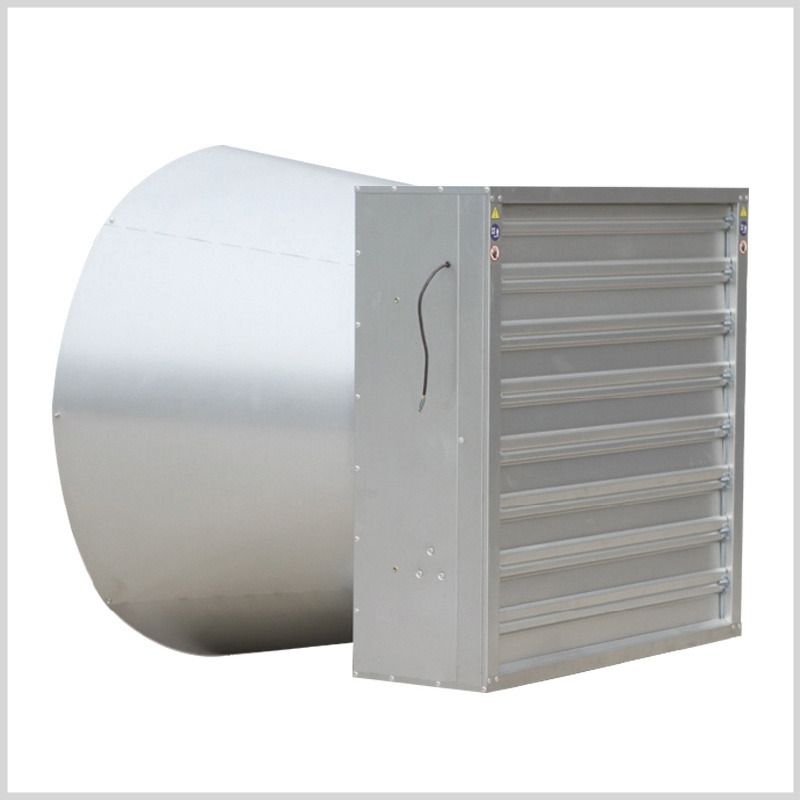
Key Specifications to Consider When Sourcing Extractor Fans
When sourcing industrial extractor fans, several key specifications should guide your decision-making process:
Airflow Rate: Measured in cubic feet per minute (CFM), this indicates the volume of air the fan can move. Calculate the necessary airflow based on the size of the space and the required air changes per hour.
Static Pressure: This indicates the resistance the fan must overcome to move air through the system. Choosing a fan with the appropriate static pressure rating ensures optimal performance in your application.
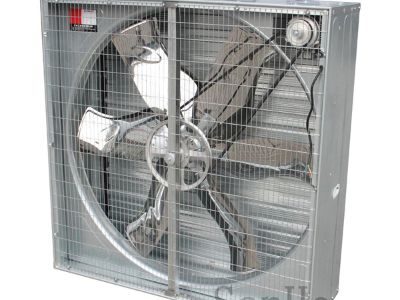
Fan Type: Consider whether an axial or centrifugal fan suits your needs. Axial fans are typically more efficient for larger volumes of air at lower pressures, while centrifugal fans are better for higher pressures and smaller volumes.
Material Construction: Depending on the operating environment, materials such as galvanized steel or stainless steel may be necessary to withstand corrosion or high temperatures.
Noise Levels: If the fan will operate in a noise-sensitive area, checking the decibel (dB) rating is essential to ensure compliance with workplace regulations and comfort for employees.
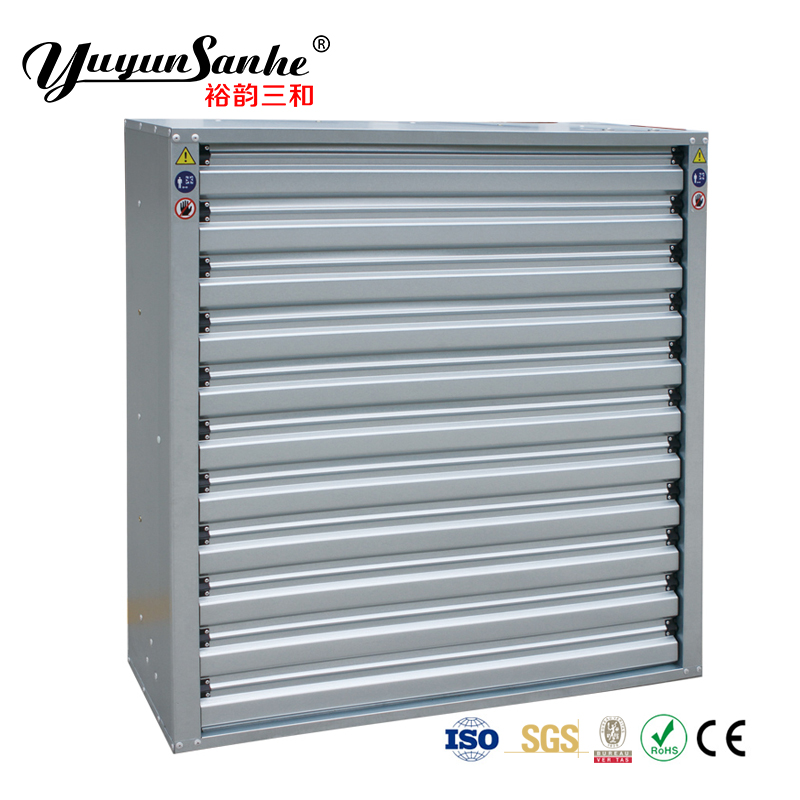
Certifications: Ensure the fan complies with industry standards such as ISO9001, CE, and RoHS, which indicate adherence to quality and safety protocols.
By paying attention to these specifications, you can ensure that the extractor fan you choose aligns with your operational demands and regulatory requirements.
 Sophie Dong

