Choosing the Right Exhaust Fan Vent for Your Project

All Categories

exhaust fan vent

Choosing the right exhaust fan vent for your application can be a critical decision in ensuring proper ventilation and climate control. This article will help you navigate the essential factors to consider, specifications to evaluate, and quality assessments to make when purchasing exhaust fan vents. Understanding these elements will empower B2B buyers, such as purchasing managers and engineers, to make informed decisions that align with their project needs.
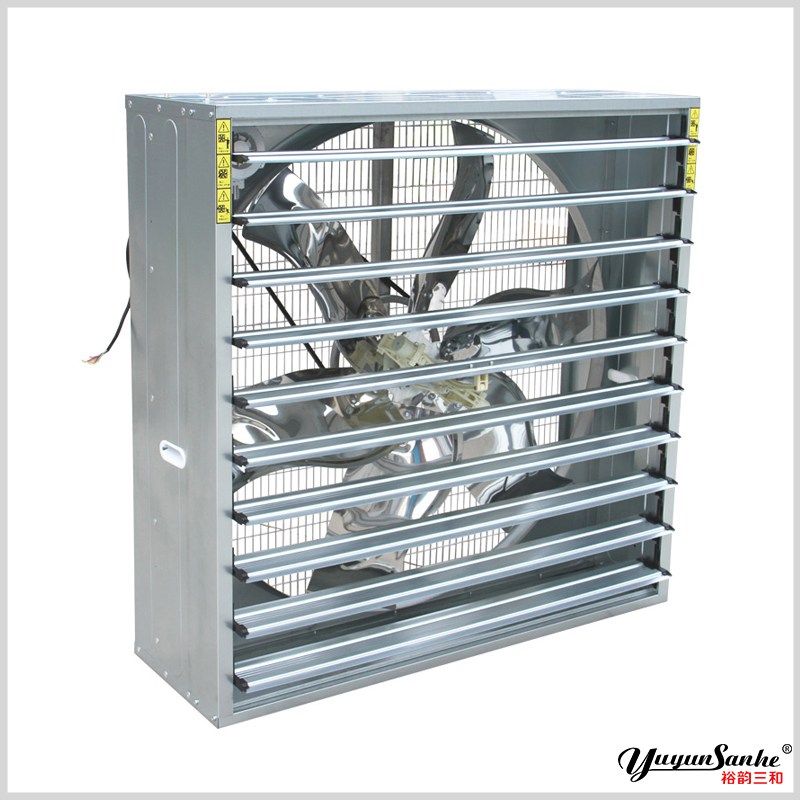
Key Specifications to Evaluate for Exhaust Fan Vents in Bulk Orders

Key Specifications to Evaluate for Exhaust Fan Vents in Bulk Orders

When purchasing exhaust fan vents in bulk, understanding the key specifications is essential for ensuring product compatibility and performance. Consider the following specifications:

Dimensions: The size of the exhaust fan vent should match the ductwork or space where it will be installed. Incorrect dimensions can lead to air leaks or inefficient operation.

Material: Common materials include galvanized steel, aluminum, and plastic. Each material has its advantages; for example, galvanized steel offers durability, while plastic may be lightweight and resistant to corrosion. Choose a material that aligns with your environment and performance requirements. If you are considering durable options, look into Other Accessaries that may enhance your setup.

Static Pressure Rating: This rating indicates the fan's ability to overcome resistance in the duct system. High static pressure ratings are necessary for long or convoluted duct runs.

Motor Type: Assess whether the fan uses an AC or DC motor. DC motors are often more energy-efficient and quieter, making them suitable for certain applications.

Energy Efficiency: Look for fans with higher energy efficiency ratings, as these can significantly reduce operating costs over time. Certifications like ENERGY STAR can indicate superior efficiency.

Evaluating these specifications will help ensure that your bulk order meets your operational needs and budget constraints.
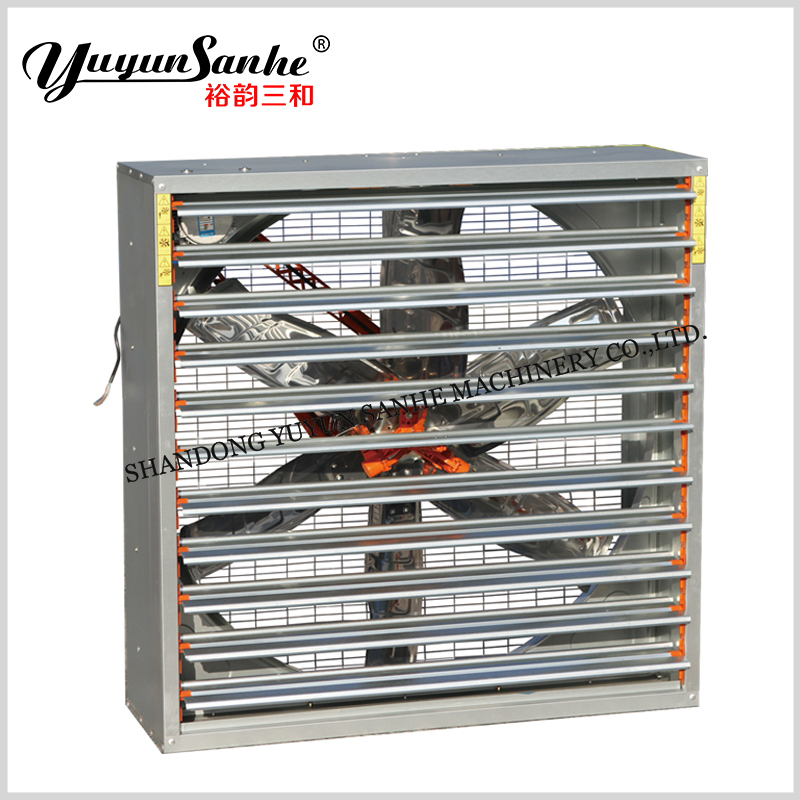
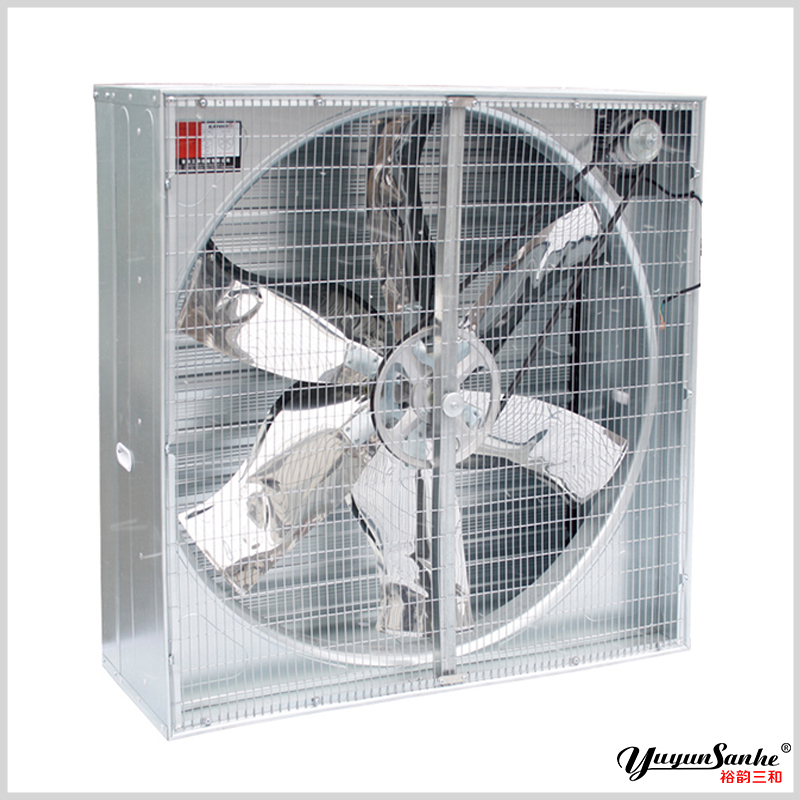
How to Assess the Quality of Exhaust Fan Vents Before Purchasing

How to Assess the Quality of Exhaust Fan Vents Before Purchasing

Quality assessment is a crucial aspect of the purchasing process for exhaust fan vents. Here are some steps to ensure that the products you are considering meet your quality requirements:

Certification Verification: Check for relevant certifications such as ISO9001, CE, and RoHS. These certifications indicate that the manufacturer adheres to strict quality control processes and complies with international safety standards.

Material Inspection: Request samples or detailed material specifications to verify the quality of components. Ensure that the materials used are appropriate for your application's environmental conditions.

Performance Testing: If possible, obtain performance data or test results from previous projects. This information can provide insight into the fan's reliability and efficiency.

Supplier Reputation: Research the manufacturer's reputation in the industry. Reviews, testimonials, and case studies can provide context on their product quality and customer service.

By following these assessment steps, buyers can minimize the risk of investing in subpar products and ensure they receive reliable exhaust fan vents.

Common Installation Challenges with Exhaust Fan Vents and Solutions

Common Installation Challenges with Exhaust Fan Vents and Solutions

Installing exhaust fan vents can present several challenges that may affect performance. Here are common issues and practical solutions:

Improper Sizing: One of the most common challenges is using an incorrectly sized vent. This can lead to airflow issues and increased energy consumption. Always verify dimensions against installation requirements before ordering.

Duct Alignment: Misalignment between the exhaust fan vent and ductwork can lead to air leaks and reduced efficiency. Ensure that all connections are secure and properly aligned during installation.

Vibration and Noise: Excessive vibration can cause noise and wear on the system. Use vibration isolation mounts or pads to minimize noise transmission and maintain system integrity.

Inadequate Mounting: Insufficiently secured vents can become loose over time, leading to performance issues. Ensure that all mounting hardware is robust and suitable for the weight of the fan.

Addressing these installation challenges proactively can lead to a smoother installation process and improved overall performance.

Material Advantages of Exhaust Fan Vents for Optimal Performance

The material used in exhaust fan vents plays a significant role in their performance, durability, and applicability. Here are some material advantages to consider:

Galvanized Steel: This material is known for its strength and resistance to rust and corrosion, making it a popular choice for industrial applications. Its durability extends the lifespan of the exhaust fan vent, even in harsh environments.

Aluminum: Lightweight and resistant to corrosion, aluminum is ideal for applications where weight is a concern. Additionally, aluminum's thermal conductivity can help maintain optimal temperatures in certain environments.

Plastic: For less demanding applications, plastic vents offer a cost-effective solution. They are typically resistant to moisture and ideal for residential or light commercial use. However, it is essential to ensure that the plastic is rated for the expected temperature range.

Composite Materials: Some modern vents utilize composite materials that combine the benefits of various materials, offering improved insulation and resistance to environmental factors.

Choosing the right material based on the application environment and expected performance can significantly enhance the effectiveness of the exhaust fan vent and contribute to overall system efficiency.

Frequently Asked Questions

What is the exhaust fan vent used for?

The exhaust fan vent removes stale air, odors, moisture and heat from barns, factories, workshops and residential spaces to improve air quality and climate control.
We offer multiple diameters, flow rates and mounting types suitable for wall, ceiling or duct installations. Custom sizes available on request from our 30,000 sqm factory.
Products are manufactured under ISO9001 quality management and carry CE and RoHS certifications, with strict RD and QC processes.
Select based on room volume, required air changes per hour and static pressure. Provide space dimensions and use case and our team will recommend suitable capacity and model.
We provide factory-backed warranty terms, technical support, spare parts and installation guidance. Contact our service team for warranty details and assistance.

Our Blog Posts

What to Consider When Installing Poultry Air Inlets for Layer Farms

23

Jun

What to Consider When Installing Poultry Air Inlets for Layer Farms

What to Consider When Installing Poultry Air Inlets for Layer FarmsLayer farms need good air to keep the chickens healthy. It makes the chickens comfortable and provides them with fresh air. A key portion of good air design is installing poultry air ...
View More
What to Consider When Choosing an Industrial Ventilation Fan?

23

Oct

What to Consider When Choosing an Industrial Ventilation Fan?

When selecting an industrial fan for your industrial space, there are a number of things to consider in order to ensure you get the correct one. The YuyunSanHe industrial exhaust fans are a good option, and this is what we like about them.&...
View More
Whats the Ideal Air Exchange Rate for Greenhouse Ventilation?

23

Nov

Whats the Ideal Air Exchange Rate for Greenhouse Ventilation?

Greenhouses are essentially giant glass houses for plants, and plants, like people, need fresh air to be healthy. And that’s when air exchange is important. The key is simply to exchange the old air inside the greenhouse with the fresh air from outdo...
View More
How Greenhouse Ventilation Fans Regulate Temperature and Humidity?

30

Nov

How Greenhouse Ventilation Fans Regulate Temperature and Humidity?

Greenhouses are large glass or plastic homes for plants. They must be warm enough and have an appropriate level of humidity for plants to grow well. That’s where greenhouse ventilation fans come to the rescue. These fans, similar to those from YuyunS...
View More

Get In Touch

Sophie Dong
Lorna Gao