Exhaust Fan Specifications & Quality Control

All Categories

exhaust fan and louver

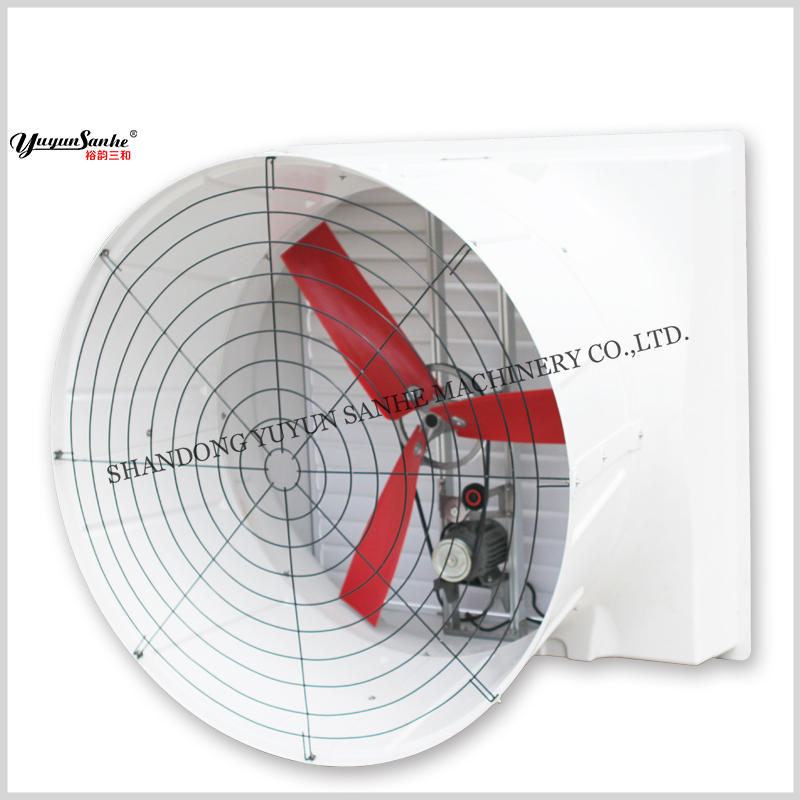
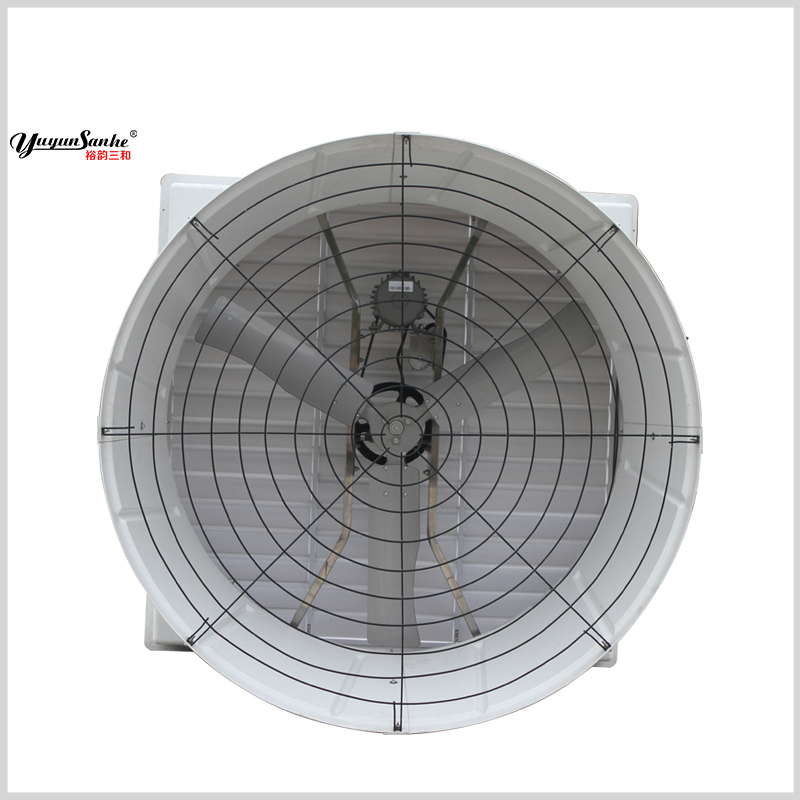
Exhaust fans and louvers are essential components in various industrial and commercial applications. They help regulate airflow, maintain optimal indoor climates, and ensure efficient ventilation. For B2B buyers such as purchasing managers and engineers, understanding the specifications, quality control measures, and installation challenges associated with these products is crucial for making informed purchasing decisions. This article will delve into the critical aspects of exhaust fans and louvers, providing valuable insights for buyers seeking to optimize their ventilation systems.
Top Quality Control Measures in Exhaust Fan Manufacturing

Top Quality Control Measures in Exhaust Fan Manufacturing

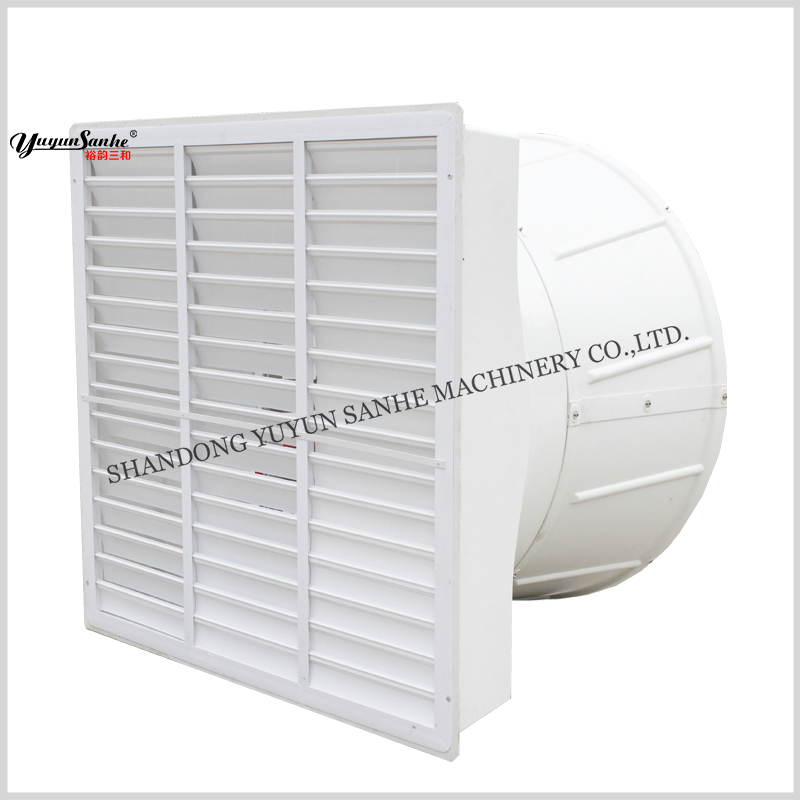
Quality control is paramount in the manufacturing of exhaust fans and louvers to ensure reliability and performance. At Shandong Yuyun Sanhe Machinery Co., Ltd., several stringent quality control measures are implemented throughout the production process. This includes thorough inspections of raw materials before they enter the manufacturing line to verify compliance with industry standards and specifications.

During production, each exhaust fan undergoes a series of tests to assess performance metrics such as airflow, noise levels, and power consumption. These tests are essential for identifying any deviations from desired specifications early in the process, allowing for timely corrections. Additionally, finished products are subjected to final quality checks, which may include performance testing in various operating conditions to simulate real-world applications. Fans such as the Electric Shutter Louvers with Belimo Actuator are designed with these quality checks in mind.

Certification plays a crucial role in establishing trust in product quality. Products manufactured by Shandong Yuyun Sanhe Machinery Co., Ltd. are certified with ISO9001, CE, and RoHS, ensuring compliance with international quality and safety standards. Buyers should look for these certifications as indicators of a manufacturer’s commitment to quality and reliability.
Evaluating Cost Factors for Exhaust Fans and Louvers

Evaluating Cost Factors for Exhaust Fans and Louvers

Cost is always a critical consideration when purchasing exhaust fans and louvers. Several factors influence pricing, including material selection, manufacturing processes, and order quantities. Fans made from high-grade materials or those requiring advanced engineering typically come at a higher cost due to their enhanced durability and performance.

Bulk orders often lead to cost savings, but buyers should also consider the total cost of ownership, which includes energy efficiency and maintenance costs. A more energy-efficient fan may have a higher upfront cost but can lead to significant savings over its operational lifespan. Additionally, installation complexity can affect overall costs; simple installations may require less labor, while more complex setups may increase expenses.

Buyers should engage directly with manufacturers to obtain detailed quotations that break down costs by component, including any customizations or unique requirements. This transparency ensures that purchasing decisions align with budgetary constraints while still fulfilling performance needs.

Common Installation Problems with Exhaust Fans and Solutions

Common Installation Problems with Exhaust Fans and Solutions

Installation of exhaust fans and louvers can present various challenges that may affect their performance. One common issue is improper sizing, which can result in inadequate airflow or excessive noise. Buyers should ensure that the selected fan's specifications match the intended application and that airflow calculations are verified.

Another common problem is incorrect mounting, which can lead to vibration and noise issues. It is essential to follow the manufacturer’s installation guidelines closely, utilizing appropriate mounting hardware and ensuring that the fan is securely fastened. Additionally, alignment of ductwork with the fan can influence airflow efficiency; misalignment can cause back pressure and reduce performance.

To mitigate these issues, buyers should conduct a thorough review of installation instructions and, if possible, consult with experienced technicians during the installation process. This proactive approach reduces the risk of operational problems post-installation and ensures optimal performance.

Comparing Material Advantages in Exhaust Fan Designs

The material used in exhaust fan construction significantly impacts durability, performance, and suitability for specific applications. Common materials include galvanized steel, stainless steel, and various plastics, each with its advantages.

Galvanized steel is widely used for its strength and cost-effectiveness, making it a suitable choice for general applications. However, it may not withstand corrosive environments as well as stainless steel, which offers superior resistance to rust and chemical damage. This makes stainless steel an ideal option for chemical processing facilities or coastal areas where salt exposure is a concern.

Plastic fans, on the other hand, are lightweight and resistant to corrosion, making them suitable for moderate-duty applications. They may not have the same structural integrity as metal options, but their resistance to moisture and chemicals can be beneficial in specific contexts.

When selecting materials, buyers should consider the operational environment and potential exposure to corrosive substances. It is advisable to consult with manufacturers to determine the most appropriate material for their specific applications, balancing performance requirements and cost considerations.

By understanding these critical aspects of exhaust fans and louvers, B2B buyers can make informed decisions that enhance their ventilation systems, ensuring efficiency and reliability in their operations.

Frequently Asked Questions

What types of exhaust fans and louvers do you offer?

We produce axial, centrifugal, and industrial exhaust fans plus adjustable and fixed louvers for ventilation and breeding applications, designed for cooling and airflow control in farms and industrial settings.
Yes. Our fans and louvers are manufactured under ISO9001 quality systems and meet CE and RoHS standards for safety and environmental compliance.
Louvers are made from durable metals and corrosion-resistant coatings, available in multiple sizes to match fan diameters and ductwork for farm and industrial installations.
Yes. We offer professional R&D-driven customization and OEM production to meet specific airflow, size, power, and mounting requirements for different projects.
Manufacturing lead time varies by order size but is typically a few weeks; we export to over 70 countries and can provide shipping options and estimated delivery after order confirmation.

Our Blog Posts

Why Automated Greenhouse Ventilation Systems Are a Game-Changer

22

Nov

Why Automated Greenhouse Ventilation Systems Are a Game-Changer

Greenhouses really do come in handy when it comes to growing plants, especially when the elements are not on your side. Proper ventilation is one of the most critical elements of operating a greenhouse as it is necessary for controlling temperature a...
View More
How Greenhouse Ventilation Fans Regulate Temperature and Humidity?

30

Nov

How Greenhouse Ventilation Fans Regulate Temperature and Humidity?

Greenhouses are large glass or plastic homes for plants. They must be warm enough and have an appropriate level of humidity for plants to grow well. That’s where greenhouse ventilation fans come to the rescue. These fans, similar to those from YuyunS...
View More
The Role of Feed Silos in Automated Feeding Systems

17

Dec

The Role of Feed Silos in Automated Feeding Systems

Feed Silos Are Very Important in The Automatic Animal Feed Production Line Which can store a variety of feeds in large numbers to meet various industrial production. High Quality Feed Silo Make Work More Efficient Maximize Your Savings For whole...
View More
Why Industrial Ventilation Fans Are Critical in Heat-Intensive Environments?

15

Feb

Why Industrial Ventilation Fans Are Critical in Heat-Intensive Environments?

Industrial ventilation fans are really important in places where heat get very bad. Like in factories, workshops and spots with lots machines working all time, it can become super hot. This heat make working uncomfortable or even dangerous for people...
View More

Get In Touch

Sophie Dong
Lorna Gao