
 EN
 AR
 BG
 DA
 NL
 FR
 DE
 EL
 HI
 IT
 JA
 KO
 PL
 PT
 RO
 RU
 ES
 SV
 TL
 ID
 LV
 LT
 SR
 UK
 VI
 HU
 TH
 TR
 FA
 MS
 GA
 AZ
 BN
 LA
 MN
 MY
 KK
 UZ
 KY
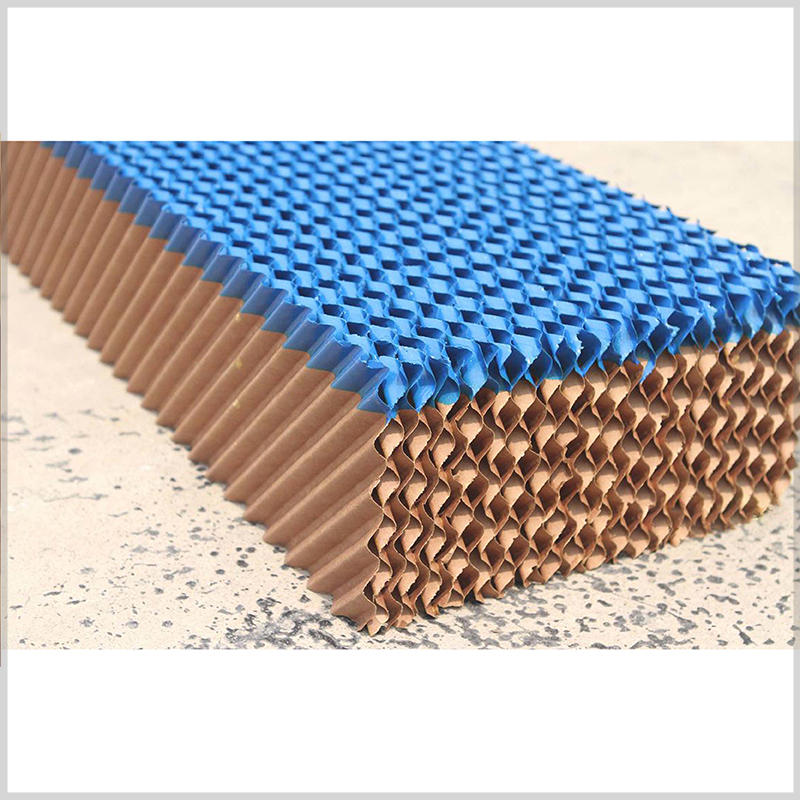
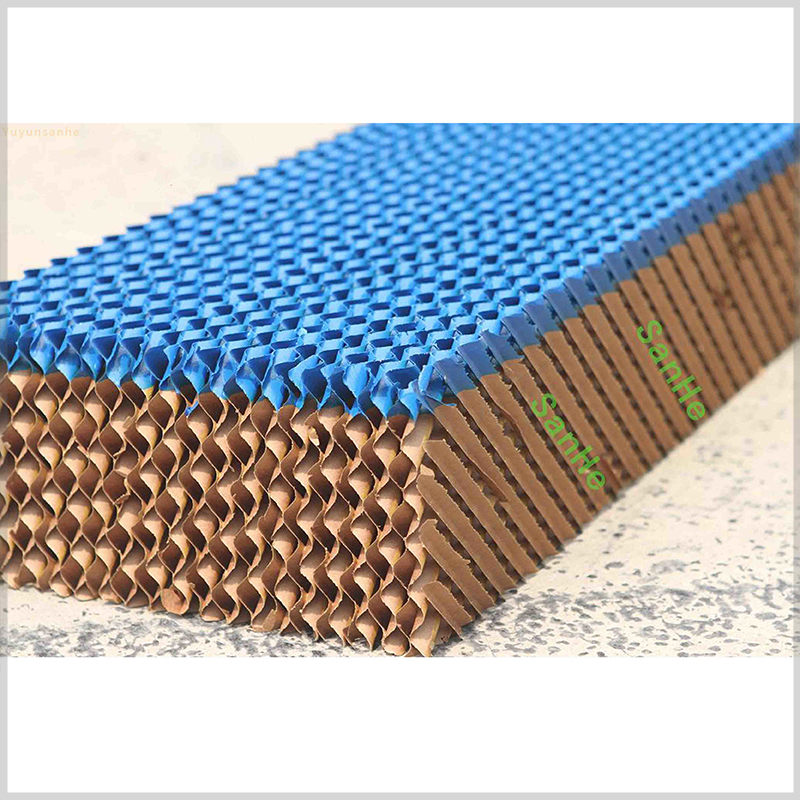
Cooling pads are essential components in maintaining optimal temperatures in chicken houses, ensuring a comfortable environment for poultry. As a B2B buyer, understanding the specifications, options, and performance of cooling pads for chicken houses is vital for making informed purchasing decisions. This article will delve into the key specifications, comparison strategies, reliable suppliers, common challenges, and applications of cooling pads in poultry farming, helping you navigate the complexities of your purchase.
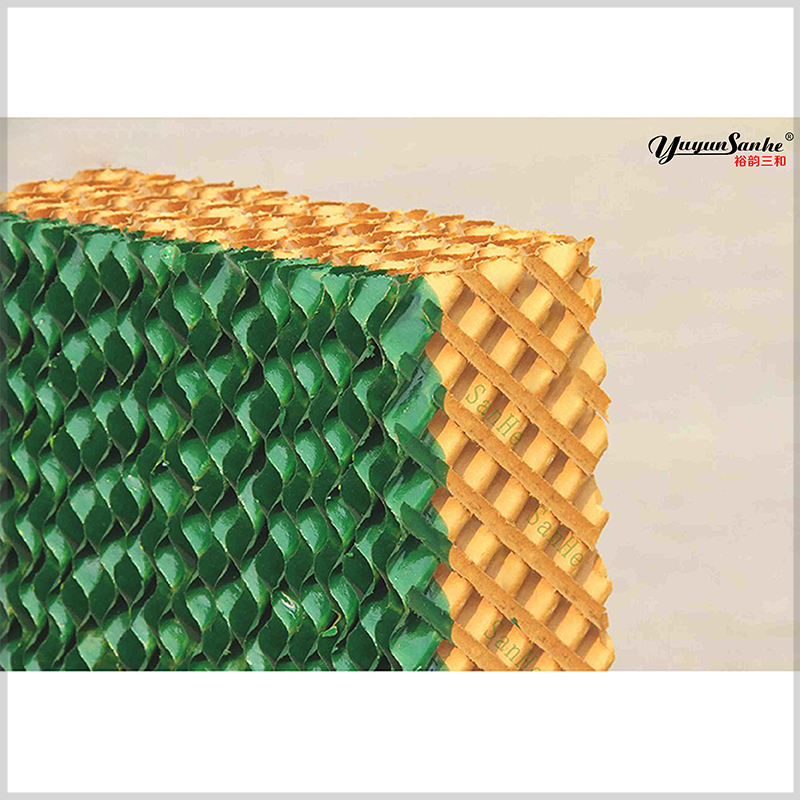
What Buyers Should Know
Evaluating different cooling pad options involves several key considerations:
Performance Ratings: Examine the cooling efficiency ratings provided by manufacturers. This data can be obtained through product testing reports and should indicate the expected temperature drop achievable with the specific cooling pad.
Durability: Assess how long the cooling pads are expected to last under typical operating conditions. Some manufacturers provide warranty information that can give insights into the expected lifespan of the product.
Maintenance Requirements: Some cooling pads require more frequent cleaning or replacement than others. Understand the maintenance needs to avoid unplanned downtime in your operations.
Cost Considerations: While initial price is important, consider the total cost of ownership, including installation, maintenance, and potential replacement costs. A lower upfront cost may lead to higher expenses over time if the product is less durable.
Supplier Reputation: Research the supplier's experience in the industry, customer reviews, and their ability to provide technical support and service. A reputable supplier will be able to assist with any issues that arise post-purchase.
By systematically comparing these factors, you can make a more informed decision tailored to your poultry farming needs.

 Sophie Dong

