Key Considerations for Animal Feed Silos

All Categories

animal feed silo

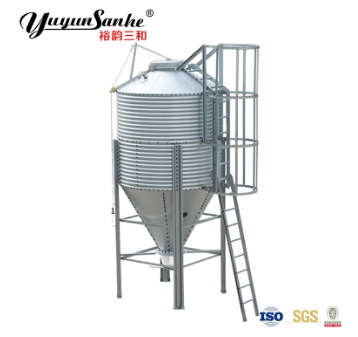
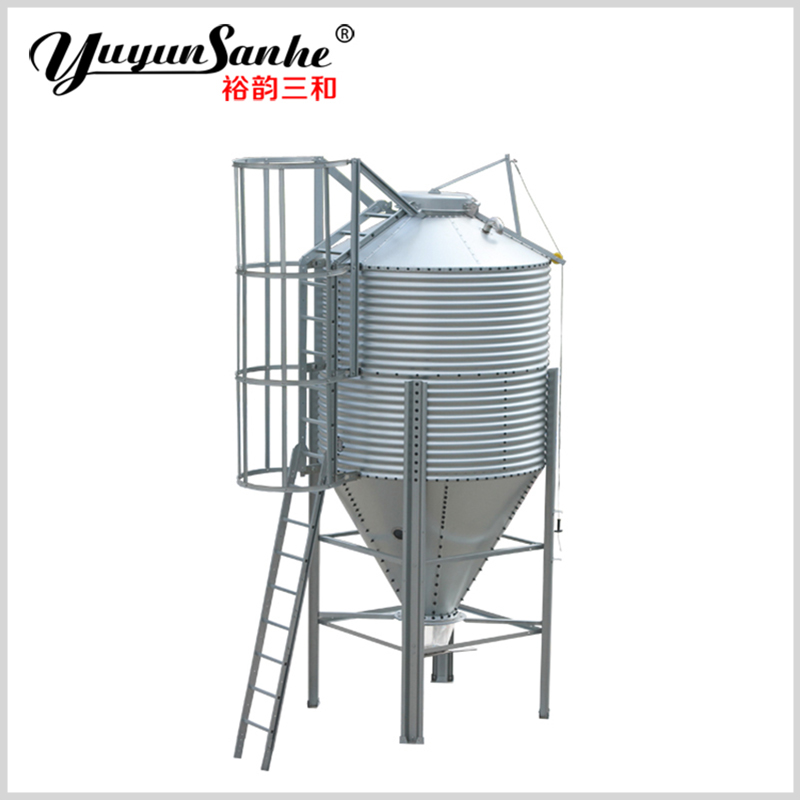
When it comes to managing animal feed effectively, an animal feed silo plays a crucial role in ensuring that feed is stored safely and efficiently. This article will explore key considerations for buyers involved in acquiring animal feed silos, focusing on factors like selection, supplier evaluation, costs, and common issues. By addressing these topics, we aim to equip purchasing managers and other professionals with the knowledge they need to make informed decisions.
How to Compare Animal Feed Silo Suppliers Effectively

How to Compare Animal Feed Silo Suppliers Effectively

When comparing suppliers of animal feed silos, it's imperative to establish a clear set of criteria. Start by reviewing their manufacturing capabilities and experience; a supplier with a solid background in producing high-quality silos is likely to better understand the nuances of your requirements.

Next, examine certifications such as ISO9001, CE, and RoHS, which indicate adherence to international quality and safety standards. These certifications can provide assurance regarding the reliability and safety of the silos being offered. Additionally, consider the supplier's experience in exporting to various markets. A supplier with a global presence may have insights into different regulations and standards that could affect your purchase.

Furthermore, request detailed product specifications, including material thickness, silo dimensions, and design features. Pay attention to lead times and minimum order quantities (MOQ), as these factors can directly affect your operations. A transparent supplier will provide clear information about these aspects, helping you gauge their reliability.
Understanding the Cost Factors of Animal Feed Silos

Understanding the Cost Factors of Animal Feed Silos

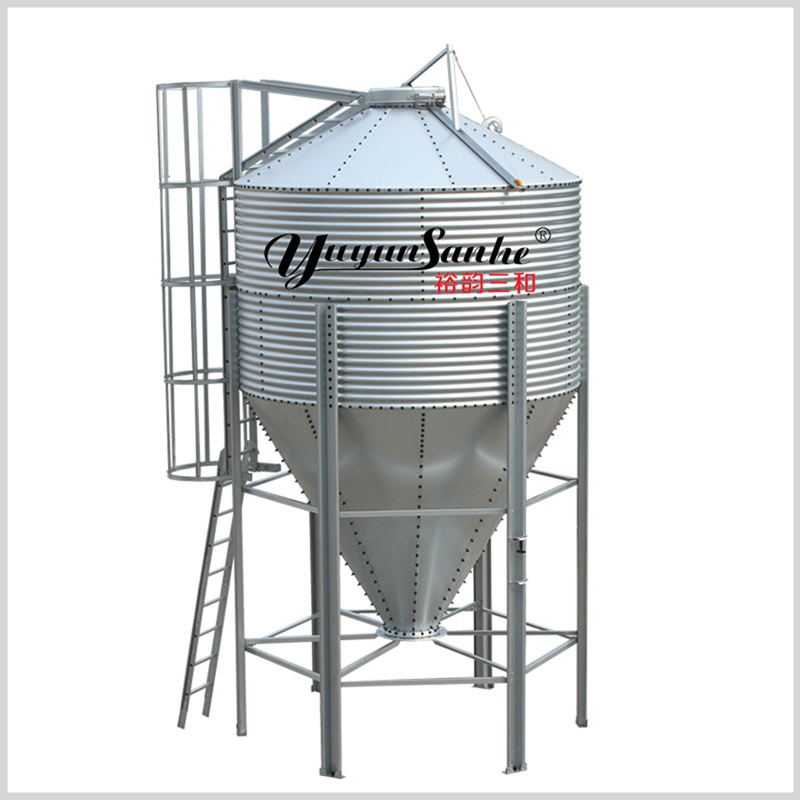
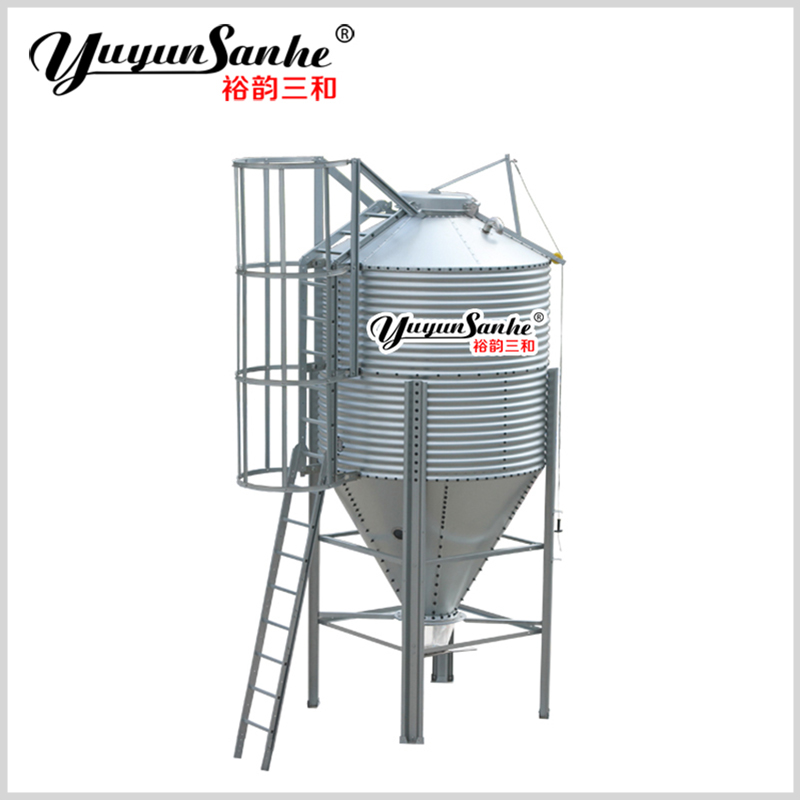
The cost of animal feed silos can vary significantly based on several factors. Material choice is one of the foremost considerations; for instance, stainless steel silos typically command higher prices due to their longevity and resistance to corrosion. Additionally, the size and capacity of the silo will directly influence pricing. Larger silos require more material and resources, increasing overall costs.

Other cost factors include any customization features you may require, such as integrated climate control systems or specialized unloading mechanisms. Transportation and installation costs should also be factored into your budget. Ensure you discuss these aspects with your supplier to gain a comprehensive understanding of the total cost of ownership.

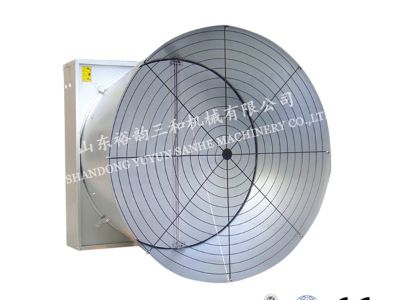
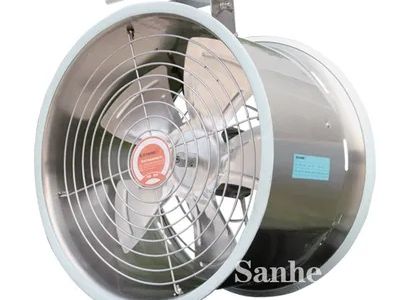
Lastly, consider the potential for long-term savings through the choice of silo. Investing in a higher-quality silo may incur a larger upfront cost but can reduce maintenance and replacement expenses over time, ultimately providing better value. For instance, a Maintenance-Free Variable Speed Direct Drive Exhaust Fan with EC Motor could enhance airflow and efficiency while reducing long-term costs.

Common Problems with Animal Feed Silos and Their Solutions

Common Problems with Animal Feed Silos and Their Solutions

Animal feed silos, while essential, can present several challenges. One common issue is moisture buildup, which can lead to feed spoilage. To mitigate this, choose silos with effective ventilation systems that allow for proper air circulation and moisture control. Regular inspections of the silo’s seals and ventilation components can also prevent moisture-related issues.

Another problem is contamination from pests or rodents. Implementing proper sealing and regular cleaning protocols can significantly reduce the risk of infestations. Additionally, consider using silos with integrated pest control features or coatings that deter pests.

Finally, improper loading or unloading techniques can lead to structural damage or inefficiencies. Training staff on best practices for handling feed during these processes is essential. Ensuring that your silo supplier provides adequate operational guidance can also help prevent these types of issues.

A Buyeru2019s Guide

When preparing to purchase an animal feed silo, it's crucial to gather relevant information that will facilitate an effective RFQ (Request for Quotation). Key details to provide include the type of material you prefer, the required silo capacity, and any specific features that align with your operational needs.

Additionally, be prepared to discuss your anticipated feed storage volume and turnover rates. This information allows suppliers to recommend the most suitable silo design and features. If customization is essential, outline your specific requirements clearly.

Before finalizing an order, verify the supplier’s quality assurance processes. Inquire about their inspection protocols and testing procedures to ensure that the silo meets your standards. Requesting a sample or visiting the manufacturing facility can also provide valuable insights into the supplier's capabilities and quality control measures.

By taking these steps and engaging with a trusted manufacturer like Shandong Yuyun Sanhe Machinery Co., Ltd., you can ensure that you make a well-informed purchase that meets your operational needs effectively.

Frequently Asked Questions

What is the Animal feed silo used for?

Our Animal feed silos store and protect bulk feed, ensuring dry, hygienic storage and easy discharge for feeding systems in farms and breeding facilities.
We offer multiple capacities tailored to farm size; contact us with your requirements for specific volume options and customization.
Silos are manufactured in our 30,000 sqm factory using durable materials under strict QC, certified to ISO9001, CE, and RoHS standards.
Yes. Our silos can be integrated with ventilation, cooling, heating, and automated feeding systems designed in-house for efficient climate and feed management.
We provide technical support, installation guidance, and warranty terms tailored per order. Contact our sales team for warranty length and service details.

Our Blog Posts

How Ventilation Exhaust Fans Can Optimize Poultry Farm Efficiency

10

Feb

How Ventilation Exhaust Fans Can Optimize Poultry Farm Efficiency

Poultry farming is difficult and hard work. Egg-laying depends on farmers working hard to keep their chickens healthy. A big part of helping the chickens is to provide the best air flow possible in the barn. That means the chickens have fresh air to ...
View More
What to Consider When Choosing Chicken Feed Silos for Industrial Use

04

Mar

What to Consider When Choosing Chicken Feed Silos for Industrial Use

With chickens you have to consider how to best secure their feed and keep it fresh. To properly store their food, you will need a chicken feed silo. A chicken feed silo is a unique container dedicated to the storage of chicken feed. But what is a chi...
View More
What Are the Benefits of Installing an Exhaust Fan?

13

Oct

What Are the Benefits of Installing an Exhaust Fan?

Removing Stale Air and PollutantsAn exhaust fan could remove the old, dirty air from your home. This even helps with dust, smoke and other bad stuff that sends the air indoors below the safety level to breath. Pulling out the bad air, the exhaust fan...
View More
What to Consider When Choosing a Greenhouse Ventilation Fan

28

Nov

What to Consider When Choosing a Greenhouse Ventilation Fan

Picking right greenhouse ventilation fan make big differnce in keep your plants healthy. Good fan help control temp and humidty, which super important for grow veg and flowers. If too much heat or moist, plants can sick or die. So its really key to t...
View More

Get In Touch

Sophie Dong
Lorna Gao