Industrial Type Wall Mounted Exhaust Fans: A Guide

All Categories

industrial type wall mounted exhaust fan

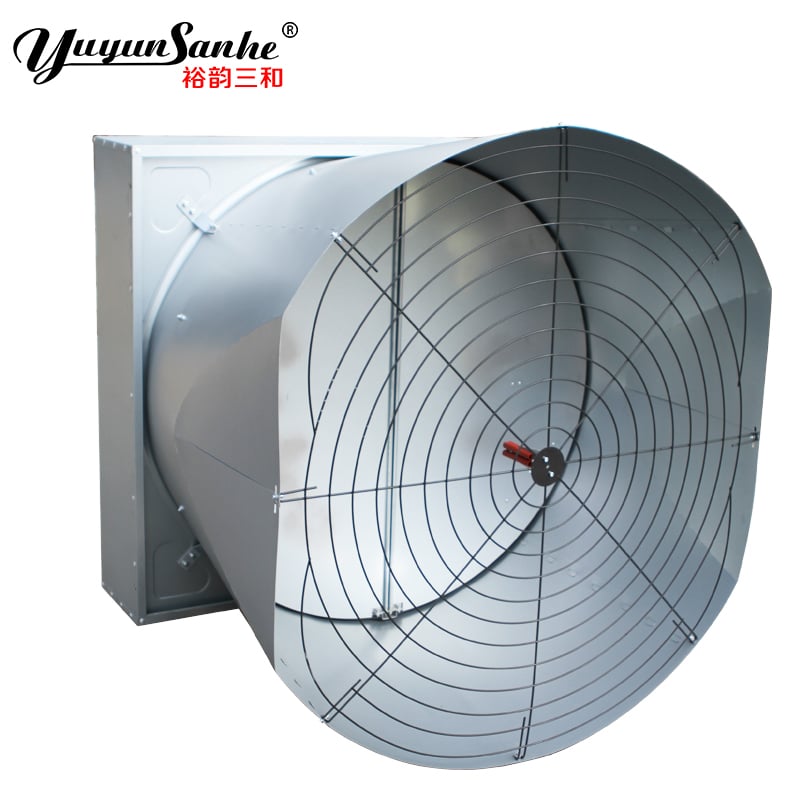
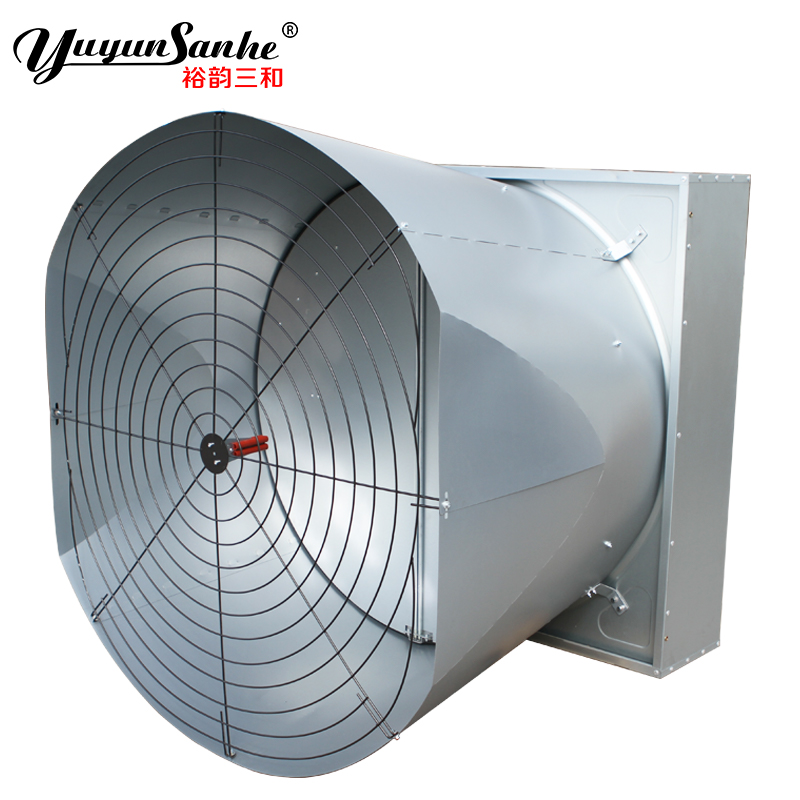
Industrial type wall mounted exhaust fans are essential components in various manufacturing and commercial environments, designed to effectively remove stale air, odors, and excess moisture while improving air quality. For purchasing managers and engineers, understanding the specifications, installation requirements, and common issues related to these fans is crucial for making informed decisions. This article will provide practical insights, helping you navigate the complexities of sourcing high-quality wall mounted exhaust fans for your specific applications.
Key Specifications of High-Quality Wall Mounted Exhaust Fans

Key Specifications of High-Quality Wall Mounted Exhaust Fans

High-quality wall mounted exhaust fans should have specific technical specifications to ensure optimal performance. Key specifications include:

Airflow Capacity (CFM): This indicates how much air the fan can move. Calculate the required CFM based on the space size and ventilation needs.

Static Pressure: Measured in inches of water gauge (in. wg), this indicates the resistance the fan can overcome, which is vital for ducted applications.

Motor Power: Typically expressed in horsepower (HP) or watts, the motor power must be adequate to handle the specified airflow and static pressure.

Blade Design: The blade pitch and shape affect airflow efficiency and noise levels. High-efficiency blades can improve performance and reduce energy consumption.

Construction Materials: As mentioned, the material of the fan casing and blades plays a critical role in durability and resistance to environmental factors. Choosing a fan with high-quality Other Accessaries can enhance its overall performance.

Noise Levels: Measured in decibels (dB), the noise level should align with the operational environment's requirements.

When sourcing, ensure that the specifications align with your application requirements and consider consulting with the manufacturer for tailored advice.
Cost Factors to Consider When Sourcing Wall Mounted Exhaust Fans

Cost Factors to Consider When Sourcing Wall Mounted Exhaust Fans

The cost of wall mounted exhaust fans can vary significantly based on several factors. First, the complexity of the fan design, including features such as variable speed controls or integrated filters, will influence the price. More advanced models typically come at a higher cost due to their enhanced capabilities.

Material choice also affects pricing. Fans constructed from higher-grade materials, such as stainless steel, tend to be more expensive than those made from standard metals or plastics. Additionally, consider the fan's energy efficiency; models that consume less power may have a higher upfront cost but can lead to lower energy bills over time.

Other cost considerations include:

Shipping and Handling: Depending on the size and weight of the fan, shipping costs can add significantly to the total purchase price.

Lead Time: Custom or specialized fans may require longer lead times, impacting project timelines and potentially increasing costs.

Volume Discounts: If purchasing in bulk, inquire about discounts as many manufacturers offer lower prices for larger orders.

Understanding these cost factors will help you budget effectively and make a more informed purchasing decision.

Installation Guidelines for Efficient Wall Mounted Exhaust Fans

Installation Guidelines for Efficient Wall Mounted Exhaust Fans

Proper installation of wall mounted exhaust fans is critical to ensure optimal performance and longevity. Here are some guidelines to follow:

Location: Install the fan in a location where it can effectively exhaust stale air. Consider factors like airflow patterns and proximity to sources of contaminants.

Mounting: Ensure the fan is securely mounted to a stable structure. Use appropriate fasteners and brackets as recommended by the manufacturer.

Electrical Connections: Hire a qualified electrician to handle electrical installations. Ensure that the power supply matches the fan's specifications to avoid damage.

Ducting (if applicable): If ducting is required, ensure that it is of the appropriate size and material to minimize airflow resistance. Smooth ducting with minimal bends will enhance performance.

Testing: After installation, conduct performance tests to ensure the fan operates at the required airflow and noise levels. This step is crucial to identify any installation issues early.

Following these installation guidelines helps prevent common problems and ensures that the fan operates efficiently in your specific environment.

Common Problems with Exhaust Fans and Effective Solutions

Despite their robust design, wall mounted exhaust fans can encounter various issues over time. Understanding these common problems and their solutions can save time and resources:

Noise Issues: Excessive noise can occur due to loose components or improper mounting. Regularly check all screws and mounts, and consider using vibration dampeners to reduce noise.

Reduced Airflow: If airflow decreases, inspect for obstructions in the fan or ductwork. Dust and debris buildup can significantly hinder performance, so regular cleaning is recommended.

Electrical Failures: If the fan fails to start, check the power supply and connections. Faulty wiring may require professional inspection and repair.

Motor Overheating: Overheating can happen if the fan is operated beyond its specifications. Ensure the fan is appropriately sized for the application and avoid continuous operation beyond recommended limits.

Corrosion: In humid or corrosive environments, fans may suffer from material degradation. Choose fans constructed from corrosion-resistant materials and regularly inspect for signs of wear.

By being proactive about maintenance and understanding potential issues, you can extend the life of your wall mounted exhaust fans and maintain optimal performance.

Frequently Asked Questions

What is the industrial wall mounted exhaust fan used for?

Designed for ventilation, cooling, and air extraction in factories, farms, workshops, and industrial spaces to improve air quality and control climate.
Multiple diameters, motor powers, and airflow capacities are offered to match installation needs; contact sales with required specs for options.
Manufactured under ISO9001 with CE and RoHS certifications, produced in a 30,000 sqm facility with professional R&D and strict QC procedures.
We provide installation guidelines, technical support, and maintenance instructions; spare parts and after-sales service are available upon request.
Yes, exported to over 70 countries. Lead time depends on order size and specifications; typical production lead times provided on inquiry.

Our Blog Posts

How to choose the best Industrial Air Conditioner

19

Jul

How to choose the best Industrial Air Conditioner

Choosing right industrial air conditioner real important for any business. Good AC can make big differnce in comfort of your workspace. If air too hot or too cold, it affect how well employees works. YuyunSanhe knows alot about industrial cooling and...
View More
How to Maintain Poultry Farm Equipment for Longevity and Efficiency

04

Oct

How to Maintain Poultry Farm Equipment for Longevity and Efficiency


Perhaps you already recognize that regular cleaning and lubrication are essential steps to keep your YuyunSanhe poultry equipment working properly. Dirt, dust, and feathers, for example, form on machinery, causing it to be overworked and broken ...
View More
How Environmental Control Equipment Supports Optimal Poultry Health

10

Oct

How Environmental Control Equipment Supports Optimal Poultry Health

Farmers’ flocks are super important to them because they need their chickens to stay healthy. Environmental control equipment can be used to help ensure that chickens are in good health. This sort of equipment can control the air, temperature and lig...
View More
How Evaporative Cooling Pads Reduce Operational Costs for Poultry Farms

22

Apr

How Evaporative Cooling Pads Reduce Operational Costs for Poultry Farms

The most important factor is to ensure poultry are kept cool and happy, particularly in warm temperatures. One form of cooling is using evaporative cooling pads, these are specific materials which cools the air as water passes through them, which can...
View More

Get In Touch

Sophie Dong
Lorna Gao