Storage Containers for Chicken Feed: Essential Guide

All Categories

storage containers for chicken feed

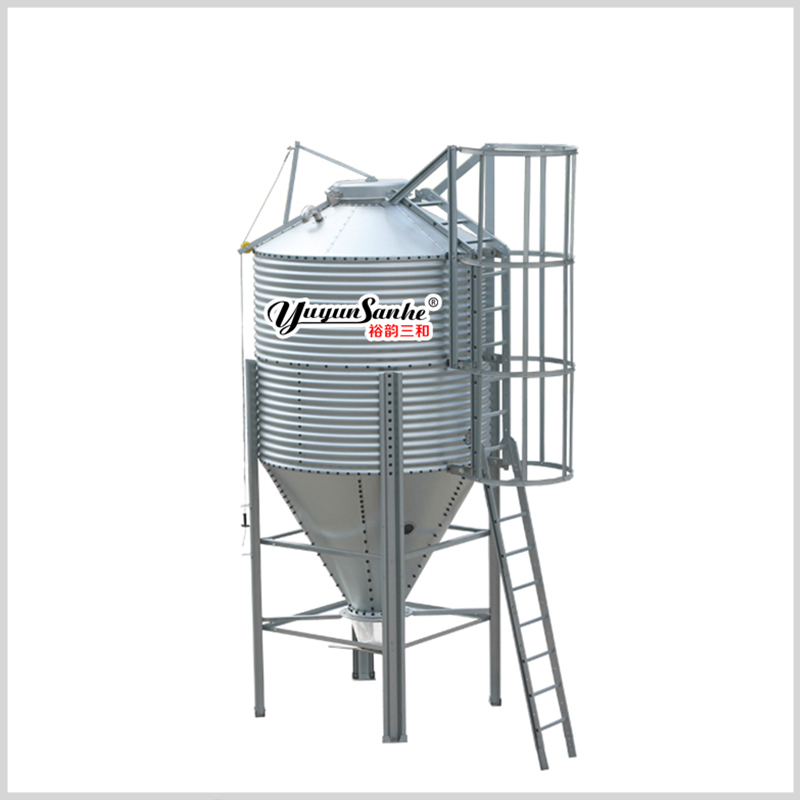
Storage containers for chicken feed are essential for ensuring the preservation of feed quality and preventing spoilage. These containers not only protect feed from moisture, pests, and contamination but also help in managing feed inventory effectively. For B2B buyers, such as purchasing managers, distributors, and product managers, understanding the critical specifications, materials, and best practices associated with these containers is vital for making informed purchasing decisions. This article provides detailed insights into what to consider when selecting storage containers for chicken feed, helping buyers identify the right products for their needs.
Understanding Specifications for Chicken Feed Storage Containers

Understanding Specifications for Chicken Feed Storage Containers

Specifications for chicken feed storage containers can vary significantly, impacting their performance and suitability for specific applications. Here are some essential specifications to understand:

Capacity: This is typically measured in liters or cubic feet. Selecting the correct capacity ensures you can store the required amount of feed without overflow or underutilization.

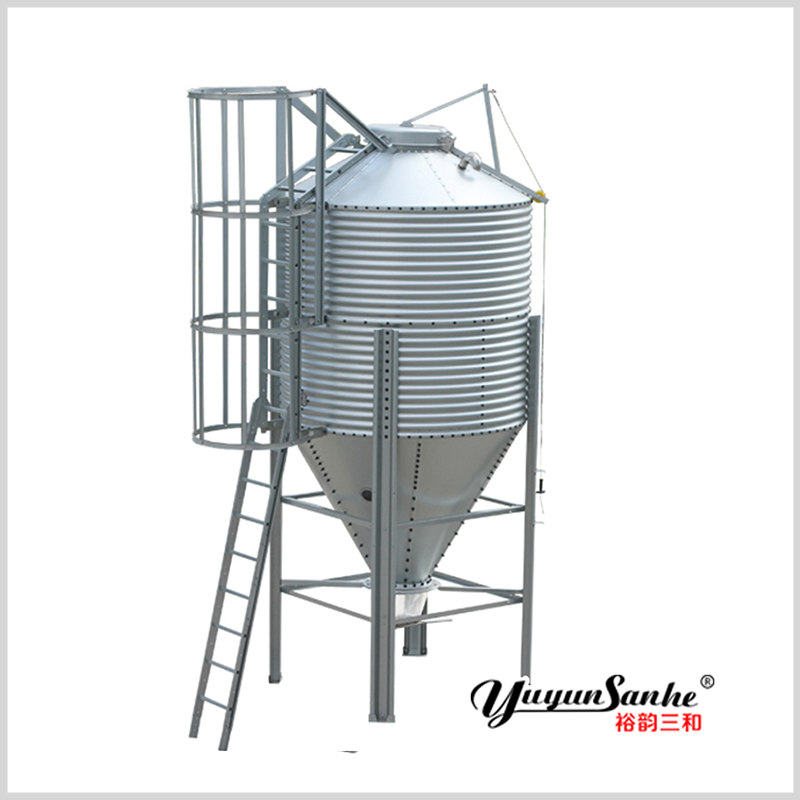
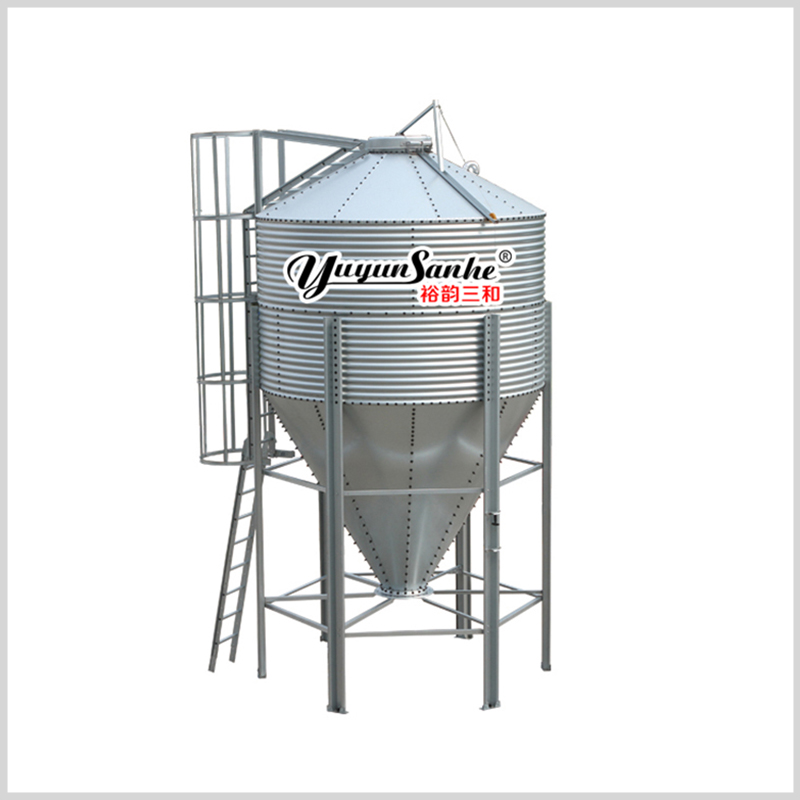
Material: Common materials include steel, plastic, and fiberglass. Each material has unique properties affecting durability, weight, and resistance to environmental factors. For example, galvanized steel containers provide excellent durability but may be heavier than plastic options. Additionally, maintenance-free variable speed direct drive exhaust fans can be beneficial in maintaining optimal conditions around these containers.

Dimensions: The height, width, and depth of the container should be appropriate for the intended storage area. Additionally, ensure that the dimensions allow for easy access and filling.

Seal Type: The type of seal (e.g., rubber gaskets, clamping seals) affects the container's ability to keep out moisture and pests. Understanding how different seals function can help you choose a container that best fits your storage conditions.

Stackability and Portability: If space is limited, stackable containers may be beneficial. Additionally, considering the weight and design can help with transportation and placement within your facility.
Best Practices

Best Practices

To maximize the effectiveness of storage containers for chicken feed, follow these best practices:

Regular Inspection: Periodically check containers for signs of wear, rust, or damage. Early identification of issues can prevent larger problems, such as feed contamination.

Cleaning Protocol: Establish a cleaning schedule to remove any leftover feed or residues. This prevents mold growth and protects the feed quality.

Proper Sealing: Ensure that containers are sealed correctly after each use. A good practice is to inspect seals for integrity during routine checks.

Rotation of Stock: Apply the FIFO (First In, First Out) method to ensure older feed is used first, minimizing spoilage and waste.

Environmental Considerations: Store containers in a cool, dry place away from direct sunlight to prolong their lifespan and maintain feed quality.

Evaluating Material Advantages in Chicken Feed Storage Containers

Evaluating Material Advantages in Chicken Feed Storage Containers

The material of storage containers significantly affects their performance and suitability for different environments. Here are some common materials and their advantages:

Plastic: Lightweight and resistant to corrosion, plastic containers are easy to handle and often less expensive. However, they may not provide the same level of durability as metal containers.

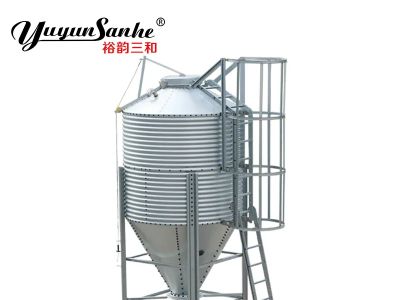
Steel: Galvanized steel containers are robust and offer excellent protection against environmental factors. They are ideal for outdoor storage but can be heavier and more expensive. Consider these for long-term feed storage where durability is paramount.

Fiberglass: This material offers a good balance of lightweight construction and durability. Fiberglass containers are resistant to moisture and chemicals but may be less common compared to plastic and steel.

When selecting a material, consider the specific conditions your containers will be exposed to, such as outdoor elements or high humidity levels, as well as the expected lifespan of the container.

Cost Factors to Consider When Purchasing Chicken Feed Containers

Understanding the cost factors associated with purchasing storage containers for chicken feed can help you make a more informed decision. Here are some factors to consider:

Material Costs: The choice of material directly impacts the price. For instance, steel containers are generally more expensive than plastic ones but may offer better longevity.

Size and Capacity: Larger containers typically cost more. Assess your storage needs carefully to avoid over-purchasing capacity that exceeds your requirements.

Customization: If you require specific features, such as custom dimensions or additional sealing mechanisms, these may add to the overall cost. Be sure to discuss customization options with potential suppliers.

Shipping and Handling: Depending on the supplier and your location, shipping costs can vary. Consider local manufacturers to reduce shipping expenses.

Maintenance and Longevity: While a lower initial cost may be appealing, consider the long-term maintenance expenses and lifespan of the container. Investing in a durable container can offer better value over time.

By keeping these factors in mind, you can evaluate your options more effectively and ensure that you select storage containers that meet both your budget and operational needs.

Frequently Asked Questions

What sizes are available for the chicken feed containers?

We offer multiple capacities to suit small to large farms. Please contact sales with your required volume for available models and customization options.
Containers are made from durable, food-grade materials with corrosion-resistant coatings to ensure hygiene and long service life in poultry environments.
Yes. Designs integrate with our climate control products to maintain dry, ventilated feed storage and reduce spoilage.
Manufactured in our 30,000 sqm facility under ISO9001 with CE and RoHS certifications; strict R&D and quality control processes are applied.
Yes. We provide delivery, installation guidance, and after-sales service for exported units across 70+ countries. Contact support for lead times and service details.

Our Blog Posts

What Safety Standards Should Poultry Farm Equipment Meet?

09

Oct

What Safety Standards Should Poultry Farm Equipment Meet?

With poultry farming being a sensitive practice, the equipment you use is of utmost importance, both for the safety and health of the personnel and the birds. It’s crucial for this equipment to meet very rigorous safety standards for both lives at st...
View More
The Role of Feed Silos in Automated Feeding Systems

17

Dec

The Role of Feed Silos in Automated Feeding Systems

Feed Silos Are Very Important in The Automatic Animal Feed Production Line Which can store a variety of feeds in large numbers to meet various industrial production. High Quality Feed Silo Make Work More Efficient Maximize Your Savings For whole...
View More
How Air Inlet Design Affects Indoor Air Quality?

14

Feb

How Air Inlet Design Affects Indoor Air Quality?

Air is really important for breathing and living, but not every air is good one for us. We spend so much time indoor in buildings, so indoor air quality matter a lot. The way how we design air inlets, those places where air come into room, can change...
View More
How Evaporative Cooling Pads Reduce Operational Costs for Poultry Farms

22

Apr

How Evaporative Cooling Pads Reduce Operational Costs for Poultry Farms

The most important factor is to ensure poultry are kept cool and happy, particularly in warm temperatures. One form of cooling is using evaporative cooling pads, these are specific materials which cools the air as water passes through them, which can...
View More

Get In Touch

Sophie Dong
Lorna Gao