Guide to Choosing Industrial Wall Fans

All Categories

industrial wall fans

Industrial wall fans are essential components in various commercial and industrial settings, providing effective ventilation and temperature control. When selecting the right industrial wall fans, buyers often face concerns regarding energy efficiency, airflow capacity, and suitability for specific environments. This article aims to guide purchasing managers, engineers, and product managers through the essential factors to consider, helping them make informed decisions when choosing industrial wall fans for their projects.
Key Specifications to Evaluate in Industrial Wall Fans

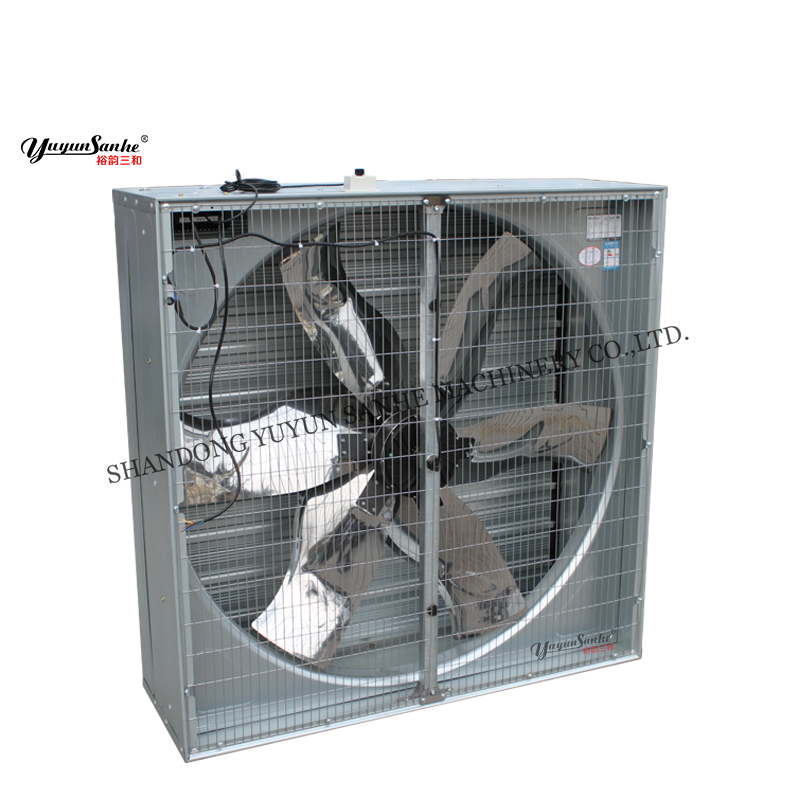
Key Specifications to Evaluate in Industrial Wall Fans

Several specifications are critical when evaluating industrial wall fans:

Airflow Capacity (CFM): This measurement indicates how much air the fan can move. Higher CFM ratings are necessary for larger spaces or areas with high heat loads.

Fan Diameter: The size of the fan affects its airflow and pressure. Larger fans typically move more air, but the specific diameter should be chosen based on the space and mounting height.

Motor Type and Power Rating: Industrial wall fans often utilize powerful motors designed for continuous operation. Check the motor's horsepower and energy consumption to ensure it meets your operational needs.

Material and Durability: Fans constructed from robust materials, such as stainless steel or high-grade plastics, are more resistant to corrosion and wear in demanding environments.

Noise Level: Depending on your application, consider the noise level of the fan. Fans designed for industrial use should balance performance with acceptable noise levels.

Mounting Options and Angle Adjustability: Ensure that the fan can be mounted securely and provides the necessary angle adjustability for optimal airflow direction. For example, consider using Maintenance-Free Variable Speed Direct Drive Exhaust Fan with EC Motor for better performance.

By closely evaluating these specifications, buyers can select the right industrial wall fan that fits their operational needs and environment.
Comparing Cost Factors for Bulk Orders of Wall Fans

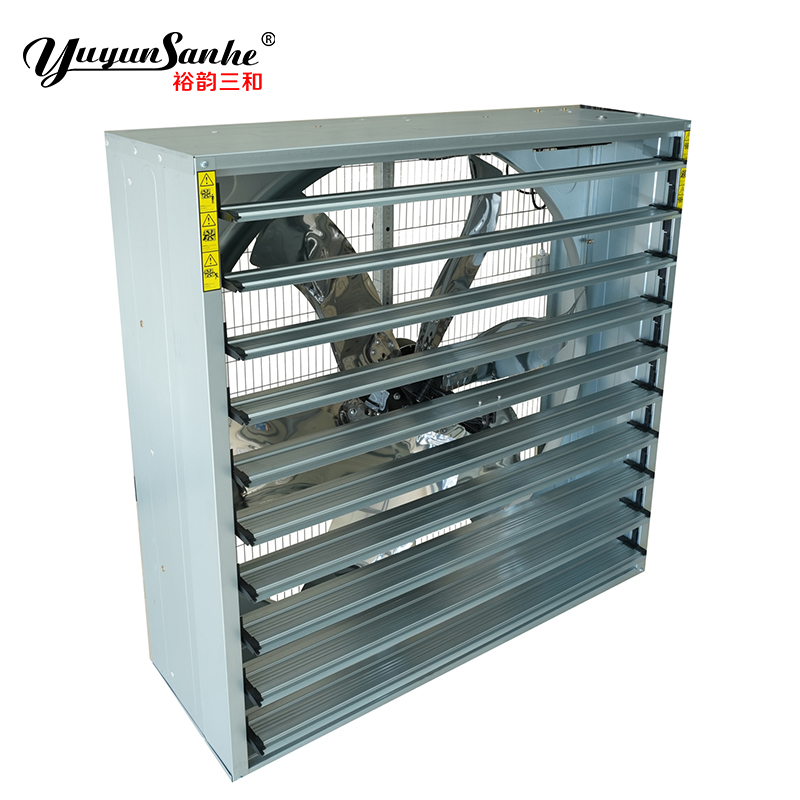
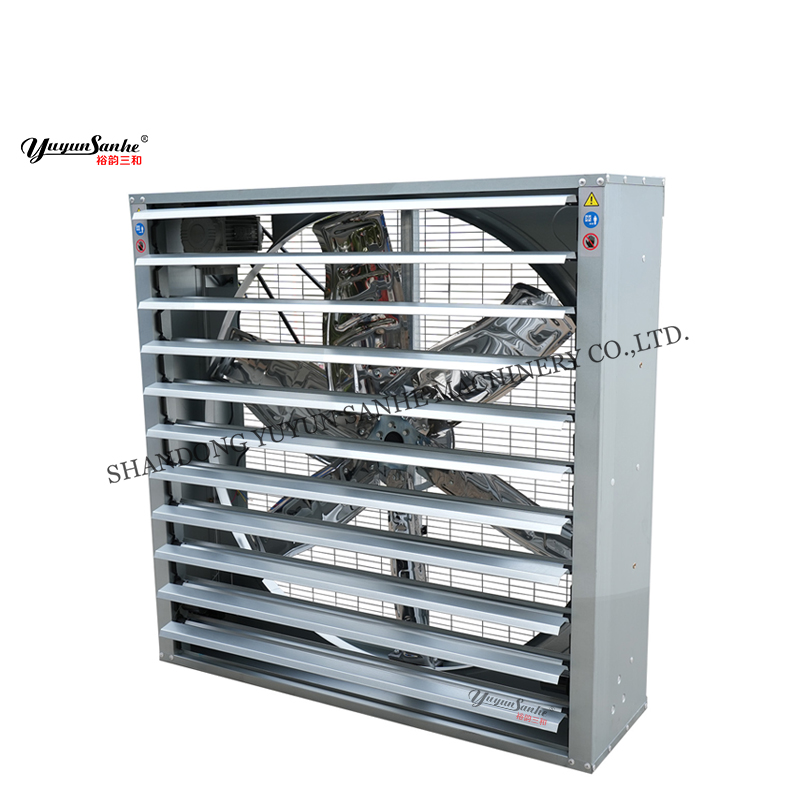
Comparing Cost Factors for Bulk Orders of Wall Fans

When purchasing industrial wall fans in bulk, several cost factors should be considered to optimize your purchasing strategy:

Unit Price: Manufacturers often provide discounts for bulk orders. Request quotes from multiple suppliers to compare unit prices and identify the best deals.

Shipping Costs: Factor in the shipping expenses, especially for large orders. Shipping costs can significantly impact the overall expenditure, so inquire about bulk shipping options.

Lead Time: Understand the lead time for manufacturing and delivery. Longer lead times may necessitate higher inventory levels, which can increase holding costs.

Warranty and Support: Evaluate the warranty terms provided by the manufacturer. A comprehensive warranty can save costs on repairs or replacements in the long run.

Customization Fees: If customization is required, clarify any associated costs. Custom features may enhance the fan's suitability for specific applications but can also affect the price.

Quality Assurance Costs: Consider costs associated with quality inspections and testing, especially if the fans will be used in critical applications. Investing in quality assurance can prevent costly failures down the line.

By analyzing these cost factors, purchasing managers can make more informed decisions that align with their budget constraints and operational goals.

What to Look For

What to Look For

When sourcing industrial wall fans, several important criteria should guide your selection process:

Supplier Reputation: Research potential suppliers' reputations and track records in the industry. Look for manufacturers with positive customer feedback and a history of reliable product performance.

Certifications and Standards: Ensure that the fans meet industry standards and possess relevant certifications, such as ISO9001, CE, and RoHS. These certifications indicate adherence to quality and safety regulations.

Customization Capabilities: If your project requires specific features or adaptations, inquire about the manufacturer's customization options. Many reputable manufacturers offer tailored solutions to meet unique customer needs.

Technical Support and After-Sales Service: Assess the level of technical support available from the manufacturer, including installation guidance, maintenance advice, and troubleshooting assistance.

Sample Approval Process: Before mass production, request samples to evaluate the fan's performance and suitability. This step allows you to confirm that the product meets your exact specifications.

By focusing on these aspects, buyers can ensure they select a trustworthy supplier and a product that meets their operational needs.

Installation Guidance for Efficient Industrial Wall Fans

Proper installation of industrial wall fans is crucial for maximizing performance and lifespan. Here are key considerations for effective installation:

Mounting Height: Install the fan at an appropriate height based on the application. Generally, mounting fans 8 to 12 feet above the ground allows for optimal airflow distribution while minimizing noise.

Angle and Orientation: Ensure that the fan is angled correctly to direct airflow effectively throughout the space. Consider the airflow patterns and potential obstacles that may disrupt airflow.

Secure Mounting: Use appropriate mounting brackets and hardware to secure the fan. Ensure that the installation complies with local building codes and safety regulations.

Electrical Connections: Verify that the electrical connections are made according to the manufacturer's specifications. If unsure, consult a qualified electrician to ensure safety and compliance.

Testing and Adjustment: Once installed, test the fan to ensure it operates correctly. Adjust speed settings or angles as needed to achieve the desired airflow.

By following these installation guidelines, you can ensure that industrial wall fans operate efficiently, enhancing ventilation and climate control in your facility.

Frequently Asked Questions

What types of industrial wall fans do you offer?

We offer heavy-duty axial and mixed-flow industrial wall fans in various diameters, motor powers, and mounting styles for ventilation, cooling, heating, and breeding applications.
Yes. Our fans are produced under ISO9001 quality management and hold CE and RoHS certifications to meet international safety and environmental standards.
Yes. We provide custom sizing, motor options, corrosion-resistant coatings, and control features to suit specific ventilation, cooling, or breeding facility needs.
We offer factory warranty terms, spare parts availability, technical support, and guidance on installation and maintenance from our experienced R&D and service teams.
Contact our sales team with your specifications and quantity. We handle export documentation and ship worldwide from our factory, with lead times varying by order size and customization.

Our Blog Posts

Top 1 Manufacturer of Ventilation Exhaust Fan in China

04

Oct

Top 1 Manufacturer of Ventilation Exhaust Fan in China

In the state China, most homes now have something once considered a luxury even among people to dissipate summer heat. These ventilation exhaust fans by YuyunSanhe help keeps the air in our homes and offices pure. It is the b...
View More
The Impact of Heater Placement on Performance

19

Dec

The Impact of Heater Placement on Performance

When it comes to getting the most out of your heaters, where you use them in a room is super important. If a heater is in the wrong spot, it doesn’t do its job as well as it should. This is to say some parts of the room stay cold, while others get un...
View More
How Greenhouse Ventilation Fans Regulate Temperature and Humidity?

12

Feb

How Greenhouse Ventilation Fans Regulate Temperature and Humidity?

Greenhouse ventilation fans are really important to keep plants healthy. They control the temperature and humidity inside greenhouse, which is very needed for plants grow good. If it become too hot or too much humid, plants get stressed and not grow ...
View More
How Heaters Support Climate Control in Greenhouses?

16

Feb

How Heaters Support Climate Control in Greenhouses?

In greenhouses, heaters is very important to keep plants healthy and happy. When outside get cold, these heaters warm the air inside, so it become cozy place for plants grow. This matter a lot because plants need right temperature to do well. If too ...
View More

Get In Touch

Sophie Dong
Lorna Gao