
 EN
 AR
 BG
 DA
 NL
 FR
 DE
 EL
 HI
 IT
 JA
 KO
 PL
 PT
 RO
 RU
 ES
 SV
 TL
 ID
 LV
 LT
 SR
 UK
 VI
 HU
 TH
 TR
 FA
 MS
 GA
 AZ
 BN
 LA
 MN
 MY
 KK
 UZ
 KY
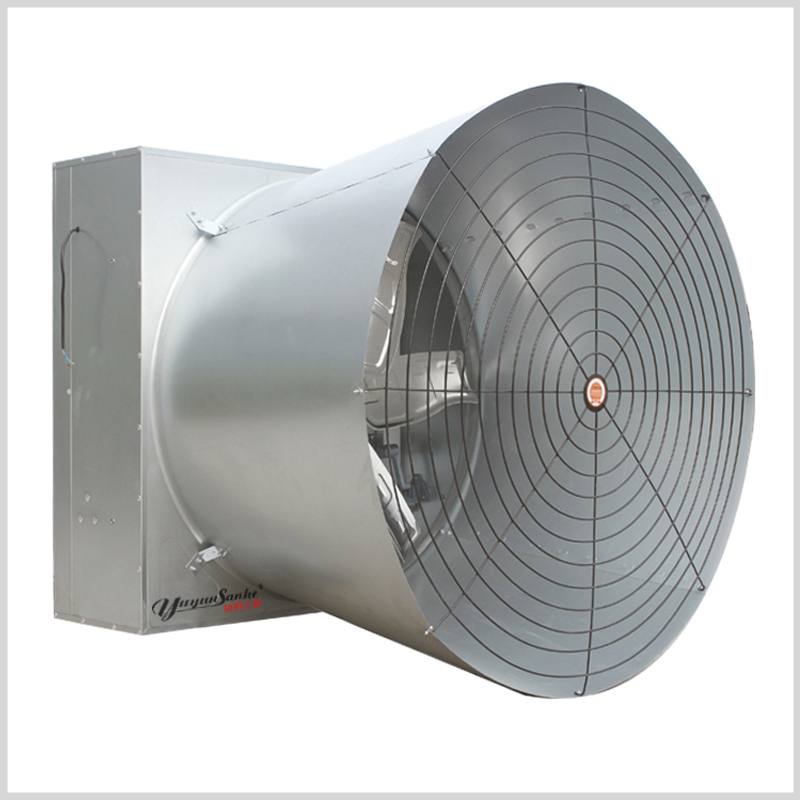
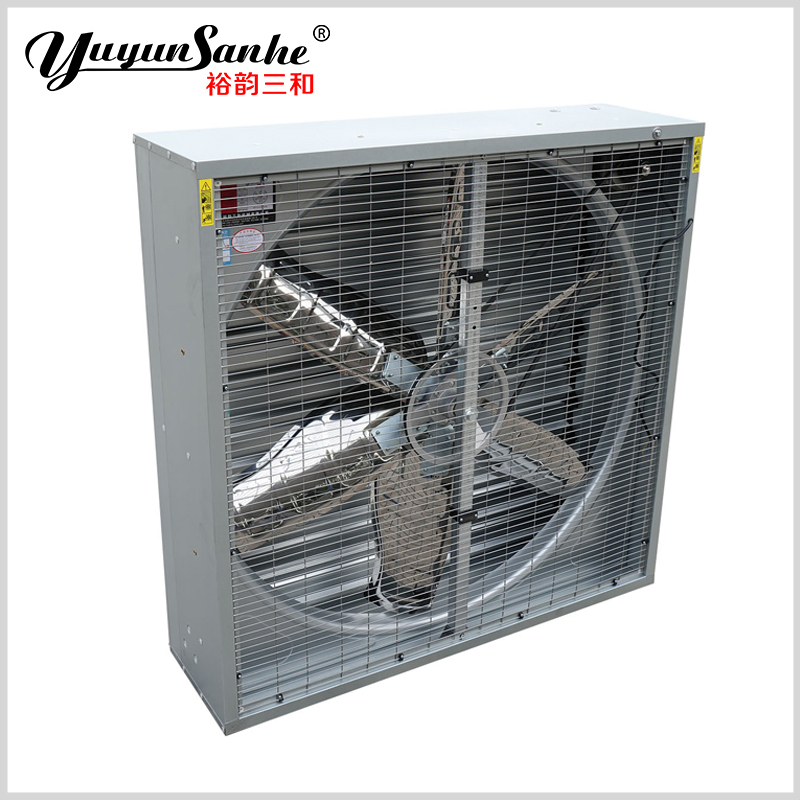
Industrial fans are essential components in various sectors, providing ventilation, cooling, and climate control solutions. For B2B buyers, purchasing industrial fans in bulk involves careful consideration of specifications, application suitability, and installation requirements. This article will guide you through the purchasing process, common challenges, cost factors, and applications of industrial fans to ensure a well-informed buying decision.
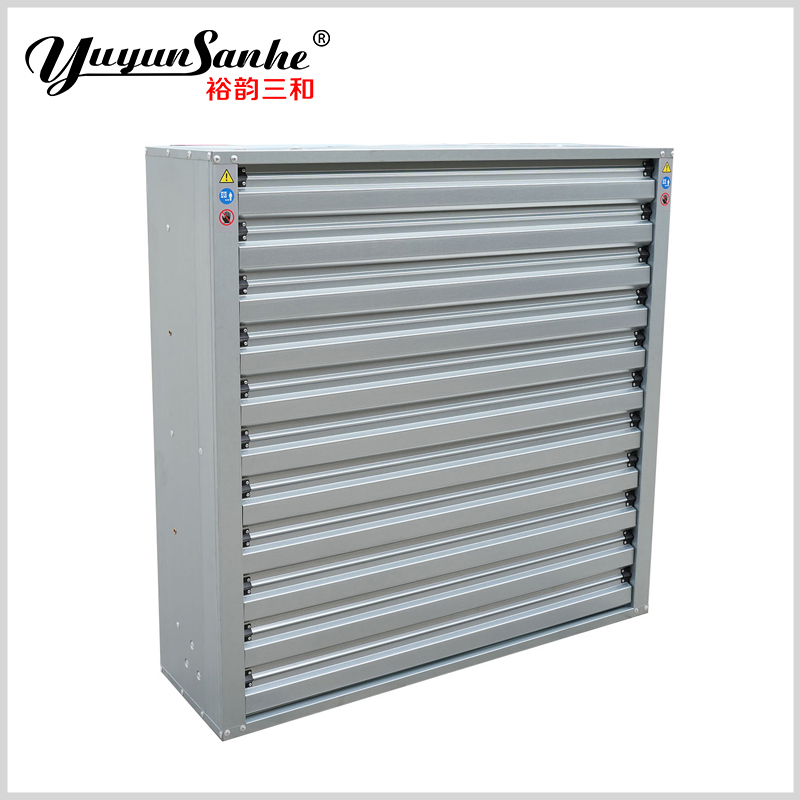
What Buyers Should Know
B2B buyers should familiarize themselves with critical specifications and performance metrics of industrial fans. Key areas to consider include:
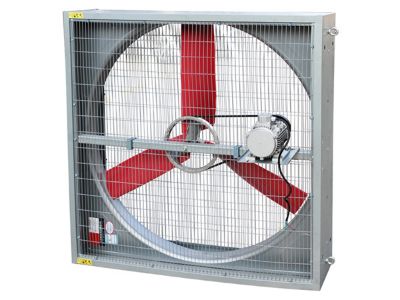
Airflow and Pressure Ratings: Understand how airflow (CFM) and static pressure affect performance. An insufficiently sized fan may lead to inadequate ventilation or higher energy costs.Materials: Industrial fans can be made from various materials, including stainless steel and high-density polyethylene (HDPE). The choice of material can impact durability, resistance to corrosion, and overall performance.Motor Specifications: Pay attention to motor efficiency ratings, as energy-efficient models can significantly reduce operational costs over time.Noise Levels: Consider the sound output, especially if the fan will be used in noise-sensitive environments. Noise ratings are often expressed in decibels (dB).Buyers should also be aware of common pitfalls, such as overlooking installation requirements or failing to account for maintenance needs. Engaging with suppliers who have firsthand experience in the industry can help mitigate these issues.

 Sophie Dong

