Choosing the Right Greenhouse Fan and Pad System

All Categories

greenhouse fan and pad system

Greenhouse fan and pad systems are essential components in climate control for agricultural and horticultural applications. These systems help maintain optimal temperature and humidity levels, ensuring healthy plant growth, improving crop yield, and enhancing the overall efficiency of greenhouse operations. When considering a greenhouse fan and pad system, buyers often have concerns about the performance, durability, and suitability of the equipment for their specific needs. This article will guide you through the key considerations and specifications when selecting a greenhouse fan and pad system, ensuring informed purchasing decisions.
Key Specifications to Evaluate in Greenhouse Fan and Pad Systems

Key Specifications to Evaluate in Greenhouse Fan and Pad Systems

When evaluating greenhouse fan and pad systems, several key specifications should be considered to ensure optimal performance:

Airflow Capacity: Measured in cubic feet per minute (CFM), this specification indicates how much air the fan can move. Ensure that the fan can sufficiently cool the entire greenhouse area.

Fan Size and Type: The diameter and design of the fan impact its efficiency. Larger fans typically operate more quietly and use less energy, while axial fans are suited for high airflow at low pressure.

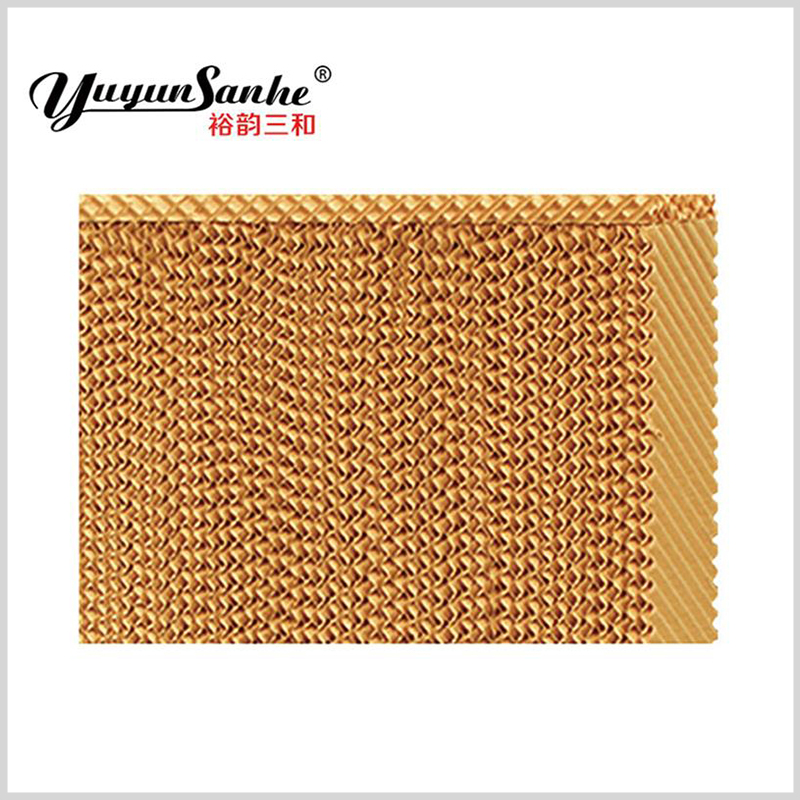
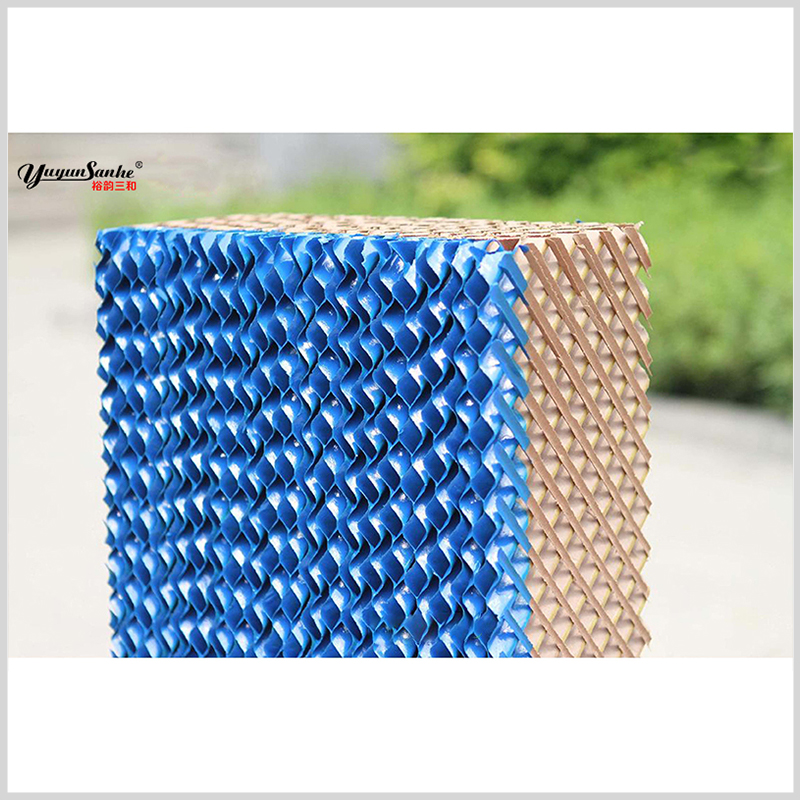
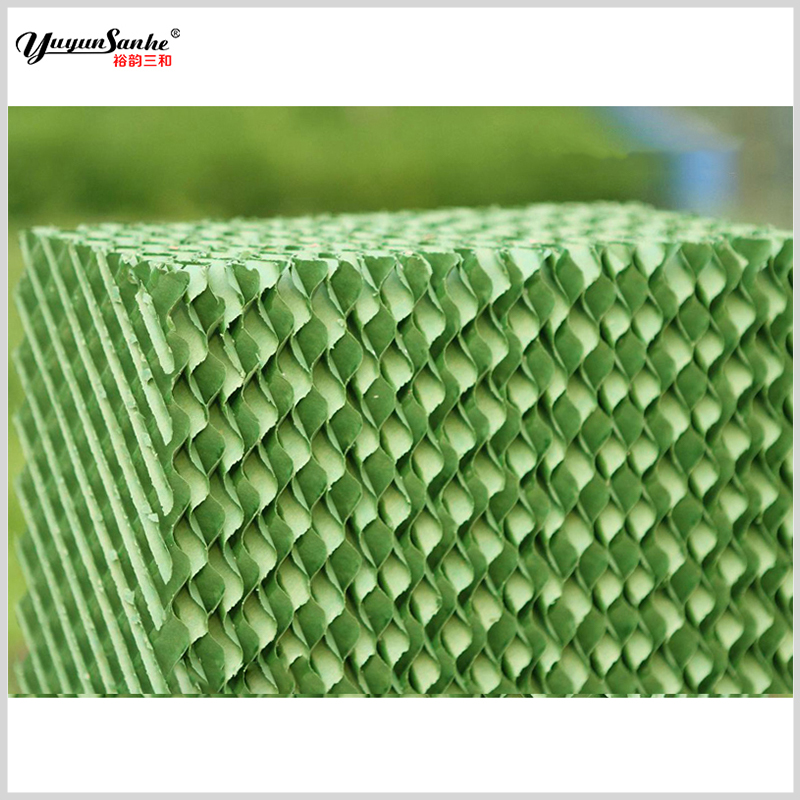
Cooling Pad Material: The type of cooling pad material (e.g., cellulose, aspen) affects moisture retention and cooling efficiency. High-quality materials provide better durability and lower maintenance needs.

Energy Efficiency Ratings: Look for fans with high energy efficiency ratings, as these can significantly reduce operational costs over time. For instance, considering a Maintenance-Free Variable Speed Direct Drive Exhaust Fan with EC Motor can enhance energy savings.

Control Systems: Advanced control systems that automate fan operation based on temperature and humidity levels can enhance system efficiency and reduce manual intervention.

Evaluating these specifications is vital for ensuring that the greenhouse fan and pad system meets both your operational needs and energy efficiency goals.
Understanding Material Advantages in Greenhouse Fan and Pad Systems

Understanding Material Advantages in Greenhouse Fan and Pad Systems

The materials used in greenhouse fan and pad systems greatly influence their performance and longevity. For fans, materials should resist corrosion, withstand high humidity, and endure temperature fluctuations. Common materials include coated metals and high-density plastics, which are both durable and lightweight.

Cooling pads, on the other hand, are typically made from cellulose or aspen. Cellulose pads offer excellent moisture retention and cooling capabilities, making them ideal for high-performance cooling. They are also biodegradable, which can be an advantage for environmentally conscious operations.

When selecting materials, it is essential to consider the local climate and the specific greenhouse environment. For example, in areas with high humidity or corrosive conditions, stainless steel components may be more appropriate, despite their higher cost, due to their durability and resistance to rust.

How to Compare Different Greenhouse Cooling Solutions for Projects

How to Compare Different Greenhouse Cooling Solutions for Projects

When comparing greenhouse cooling solutions, buyers should look beyond just the initial cost. Consider the total cost of ownership, which includes installation, maintenance, and operational costs over the system's lifespan.

Initial Costs: While some systems may offer a lower purchase price, they might lack features that lead to higher energy consumption in the long run.

Maintenance Requirements: Evaluate how often the system will need servicing and what parts may require replacement over time. Systems that are easier to maintain can save significant costs and downtime.

Energy Consumption: Review the energy efficiency of each solution. Systems with higher upfront costs but lower operational costs may be more economical over time.

Performance in Local Conditions: It’s important to assess how well the system will perform under your specific climatic conditions. Consulting with suppliers who have experience in your region can provide valuable insights.

Customization Options: Some manufacturers offer customization to meet specific greenhouse requirements. This can include modifications in fan size, pad type, or control systems, which can enhance overall system performance.

By carefully weighing these factors, buyers can make more informed decisions that align with their operational goals and budget constraints.

Expert Guidance for Bulk Orders of Greenhouse Fan and Pad Systems

When planning to place bulk orders for greenhouse fan and pad systems, several considerations can streamline the process and ensure optimal outcomes:

Minimum Order Quantity (MOQ): Understand the manufacturer's MOQ, which may vary based on product type and customization requirements. Meeting or exceeding the MOQ can often lead to better pricing.

Lead Times: Discuss lead times for production and delivery. If you have a tight timeline, confirm that the supplier can meet your needs, especially if you're ordering customized systems.

Quality Control Processes: Inquire about the manufacturer’s quality control measures to ensure that the products meet the necessary standards. This is particularly important for components that will directly affect system performance.

Sample Approval: Before placing a bulk order, request samples for testing. This allows you to verify performance in your specific conditions and check for any potential issues.

Shipping and Packaging: Discuss how the products will be packaged and shipped to minimize damage during transport. Proper packaging is crucial for ensuring that the equipment arrives in good condition.

By addressing these points, buyers can enhance their purchasing strategy and ensure that their bulk orders meet both immediate and long-term needs effectively.

Selecting the right greenhouse fan and pad system requires thorough evaluation and understanding of specific operational needs. By focusing on the specifications, materials, and proper system comparisons, buyers can make informed decisions that contribute to sustainable and efficient greenhouse management.

Frequently Asked Questions

What is the greenhouse fan and pad system used for?

It provides ventilation and evaporative cooling to regulate temperature, humidity, and air quality in greenhouses and breeding houses for healthier crop and livestock environments.
We offer multiple fan diameters and pad sizes to fit small to large greenhouses; custom configurations available from our 30,000 sqm factory based on project requirements.
Yes. Our system components are manufactured under ISO9001 quality control and carry CE and RoHS certifications to meet international standards.
We provide installation manuals, wiring diagrams, and remote technical support. Pre-sale consultation and customized layout drawings are available to streamline installation.
We provide warranty coverage and after-sales support including spare parts supply and technical troubleshooting, backed by our professional R&D and quality teams.

Our Blog Posts

Professional Manufacturer of Evaporative Cooling Pads in China

02

Oct

Professional Manufacturer of Evaporative Cooling Pads in China

Are you searching for an excellent way to maintain the coolness of your space? Then take a look at the brand-new cooling pads from this Chinese-owned company named YuyunSanhe. These will help to provide a comfortable and more refreshing atm...
View More
How to Calculate the Right Fan Capacity for Your Greenhouse

01

Dec

How to Calculate the Right Fan Capacity for Your Greenhouse

One of the factors to consider when establishing a greenhouse is how much fresh air your plants need. This fresh air will help your plants grow up tall and strong. To ensure air reaches your plants, you’ll have to select the proper size fan to move a...
View More
How to Choose the Best Chicken Feeder for Your Poultry Farm

03

Dec

How to Choose the Best Chicken Feeder for Your Poultry Farm

Selecting the best chicken feeder is vital when you are operating a poultry farm. It will go a long way in keeping your chickens healthy and your farm business running better. The best feeder will save you money — and time. With a number of feeders t...
View More
How Feed Silos Improve Storage Efficiency in Livestock Farming

12

Dec

How Feed Silos Improve Storage Efficiency in Livestock Farming

Feed silos are large towers that farmers have on their own farms where they keep the food for animals. These silos enable farmers to store large amounts of feed, while keeping it safe and fresh. This helps ensure that the animals are always well fed ...
View More

Get In Touch

Sophie Dong
Lorna Gao