Choosing the Right Fan and Pad Cooling System

All Categories

fan and pad cooling system for greenhouse

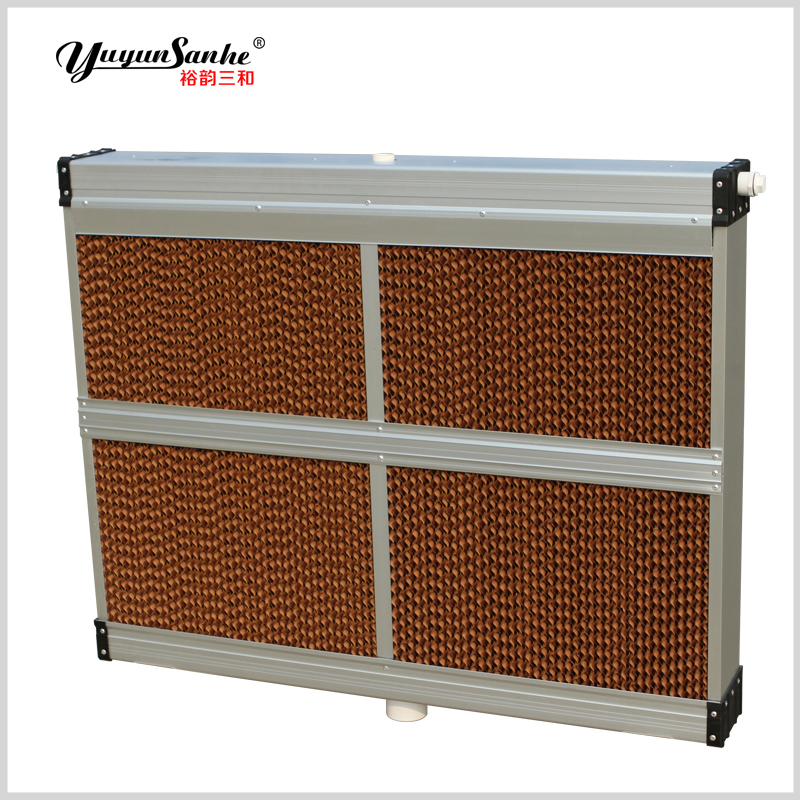
A fan and pad cooling system for greenhouse applications is a vital climate control solution designed to maintain optimal growing conditions. These systems work by drawing warm air through wet pads, effectively cooling it before it enters the greenhouse. For B2B buyers—such as purchasing managers, distributors, and greenhouse operators—understanding the selection criteria, specifications, costs, and installation processes is essential to ensure that the cooling system meets specific operational needs. This article aims to provide insights and practical guidance for making informed purchasing decisions regarding fan and pad cooling systems.
Key Specifications of Fan and Pad Cooling Systems for Wholesale Buyers

Key Specifications of Fan and Pad Cooling Systems for Wholesale Buyers

When evaluating fan and pad cooling systems, several key specifications are crucial for wholesale buyers looking to make informed decisions:

Airflow Capacity: Measured in cubic feet per minute (CFM), this indicates the volume of air the fan can move. Ensure that the airflow capacity matches the greenhouse's size and cooling requirements.

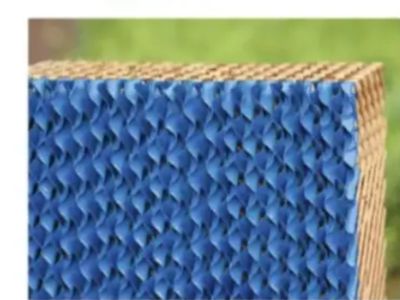
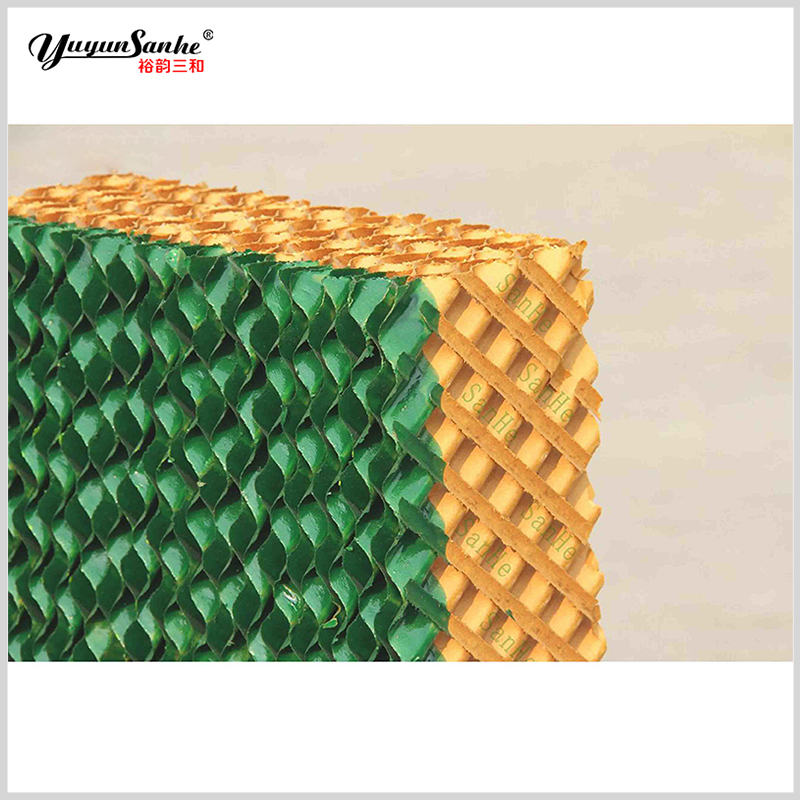
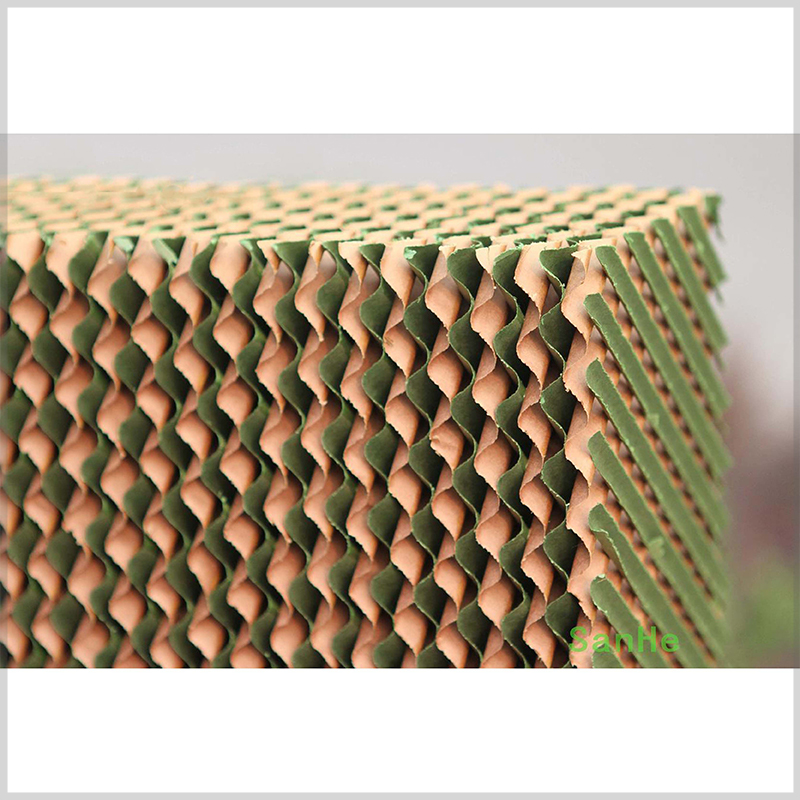
Pad Material and Thickness: Cooling pads are typically made from cellulose or synthetic materials. The thickness of the pad (usually ranging from 4 to 12 inches) affects cooling efficiency; thicker pads generally provide better cooling but may require more water.

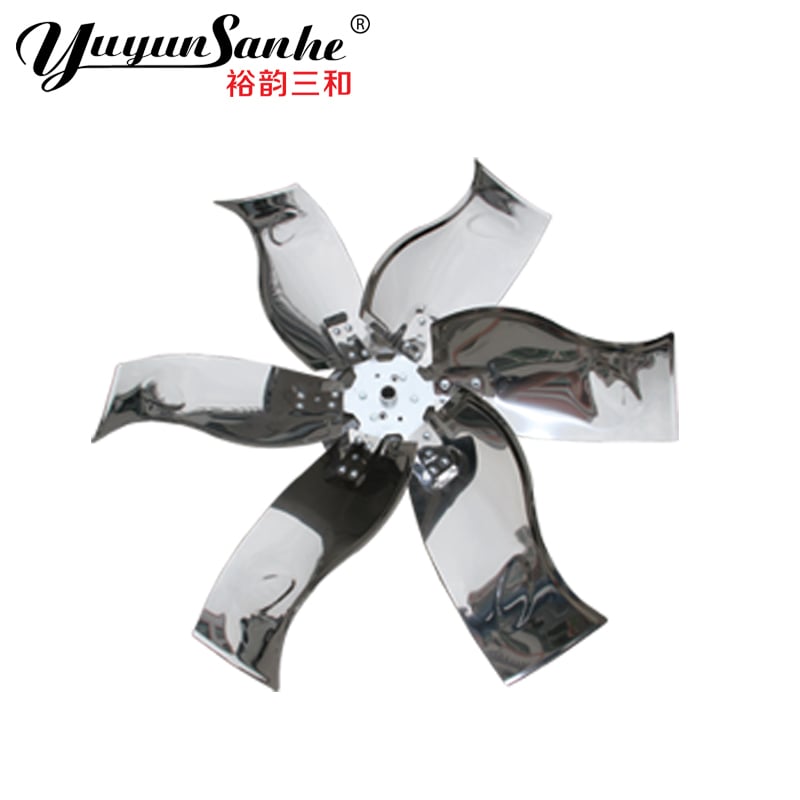
Fan Type and Efficiency: Centrifugal and axial fans are the most common. Axial fans are typically more energy-efficient and quieter, making them suitable for continuous operation. Ensure that the fans are rated for outdoor use and are resistant to environmental conditions.

Water Supply System: Check the water distribution system for the pads, including nozzle design and water pressure requirements. Efficient water management is vital to ensure optimal cooling performance. Consider installing a reliable Water Tank to improve water supply reliability.

Durability and Resistance: The materials used should be resistant to corrosion and UV degradation, as these systems are often exposed to harsh environmental conditions.

Understanding these specifications will help wholesale buyers select systems that meet both performance and longevity requirements.
Cost Factors to Consider When Purchasing Fan and Pad Cooling Systems

Cost Factors to Consider When Purchasing Fan and Pad Cooling Systems

When budgeting for a fan and pad cooling system, several cost factors should be taken into account:

Initial Investment: This includes the purchase price of the system, installation costs, and any additional hardware required, such as pumps and water tanks.

Operating Costs: These costs encompass electricity for fans, water for the cooling pads, and maintenance expenses. Energy-efficient models may have a higher upfront cost but can lead to significant savings over time.

Maintenance Requirements: Regular maintenance is essential to ensure optimal performance. Consider whether the system requires specialized service or can be maintained in-house. Systems with more durable components may lead to lower long-term costs.

Spare Parts Availability: Ensure that replacement parts are readily available and affordable. This can significantly impact long-term maintenance costs.

By evaluating these cost factors, buyers can make a more accurate assessment of the total cost of ownership, leading to better investment decisions.

Installation Guidance for Efficient Fan and Pad Cooling Solutions

Installation Guidance for Efficient Fan and Pad Cooling Solutions

Proper installation of the fan and pad cooling system is crucial for maximizing its efficiency and lifespan. Here are some key guidelines:

Location of Fans and Pads: Position the fans to ensure optimal airflow across the entire greenhouse. This typically involves placing fans at one end and pads at the opposite end to facilitate effective air exchange.

Mounting Height: Install fans and pads at recommended heights to ensure they operate effectively and provide adequate cooling coverage. The height may vary based on the greenhouse structure and crop type.

Water Supply Setup: Ensure that the water supply is properly connected to the pads, with sufficient pressure to maintain wetness. Regularly check for clogs or blockages in the system.

Electrical Connections: Follow all electrical safety standards and ensure proper grounding to avoid any hazards. It may be beneficial to consult with a qualified electrician for installation.

Testing and Calibration: After installation, conduct thorough testing to ensure the system operates as intended. This includes checking airflow, cooling efficiency, and water distribution.

Following these installation guidelines will help ensure that the cooling system operates efficiently and effectively, providing optimal conditions for greenhouse crops.

Applications of Fan and Pad Cooling Systems in Commercial Greenhouses

Fan and pad cooling systems are widely used in commercial greenhouses due to their effectiveness in maintaining optimal climate conditions for various applications:

Vegetable Production: Many vegetable crops, such as tomatoes and peppers, benefit from stable temperatures and humidity levels, making fan and pad systems essential for maximizing yield and quality.

Flower Cultivation: Flowers often require specific temperature and humidity ranges for proper growth. Efficient cooling systems help prevent heat stress and ensure vibrant blooms.

Seedling and Nursery Operations: Young plants and seedlings are particularly sensitive to temperature fluctuations. Fan and pad systems provide a controlled environment that promotes healthy growth.

Aquaponics and Hydroponics: In systems that rely on water quality and temperature, fan and pad cooling helps maintain the ideal conditions for both plants and aquatic life.

Research Facilities: Greenhouses used for research purposes often require precise climate control. Fan and pad cooling systems enable researchers to conduct experiments under stable conditions.

By understanding the applications of fan and pad cooling systems, buyers can better assess their needs and ensure they select the most suitable system for their specific operations.

Frequently Asked Questions

What is the fan and pad cooling system used for?

It cools greenhouse air by drawing hot air through wetted pads and exhaust fans, lowering temperature and improving humidity control for plants and livestock.
We offer multiple fan diameters and pad sizes to fit small to large greenhouses; custom configurations available from our 30,000 sqm factory to meet specific airflow and cooling needs.
Our systems are produced under ISO9001 quality control and certified with CE and RoHS, ensuring safety, reliability, and compliance for export and commercial use.
We provide installation guidelines, spare parts lists, and maintenance instructions; technical support is available from our R&D team to ensure proper setup and long-term operation.
Yes. We provide tailored designs for airflow, pad material, fan power, and mounting to match greenhouse size, climate conditions, and production requirements.

Our Blog Posts

Professional Manufacturer of Evaporative Cooling Pads in China

02

Oct

Professional Manufacturer of Evaporative Cooling Pads in China

Are you searching for an excellent way to maintain the coolness of your space? Then take a look at the brand-new cooling pads from this Chinese-owned company named YuyunSanhe. These will help to provide a comfortable and more refreshing atm...
View More
How Poultry Feeding Equipment Enhances Bird Growth and Health

05

Dec

How Poultry Feeding Equipment Enhances Bird Growth and Health

Healthy, rapid growth birds is an essential foundation for every poultry farmer. Central to that is making sure to utilize the proper feeding gear. The YuyunSanhe brand is this unit equipment manufacturer, offering an extensive range of products This...
View More
Why Industrial Ventilation Fans Are Critical in Heat-Intensive Environments?

15

Feb

Why Industrial Ventilation Fans Are Critical in Heat-Intensive Environments?

Industrial ventilation fans are really important in places where heat get very bad. Like in factories, workshops and spots with lots machines working all time, it can become super hot. This heat make working uncomfortable or even dangerous for people...
View More
How Air Inlet Design Affects Indoor Air Quality?

14

Feb

How Air Inlet Design Affects Indoor Air Quality?

Air is really important for breathing and living, but not every air is good one for us. We spend so much time indoor in buildings, so indoor air quality matter a lot. The way how we design air inlets, those places where air come into room, can change...
View More

Get In Touch

Sophie Dong
Lorna Gao