Key Factors When Sourcing Water Reservoir Tanks

All Categories

water reservoir tank

Water reservoir tanks are essential components in various industries, designed to store and manage water for different applications. As a B2B buyer, understanding the specifications, installation best practices, and potential challenges associated with these tanks is crucial for making informed purchasing decisions. This article will guide you through the key factors to consider when sourcing water reservoir tanks in bulk, cost considerations, installation best practices, common issues, and their applications across various sectors.
Cost Factors to Consider When Purchasing Water Reservoir Tanks

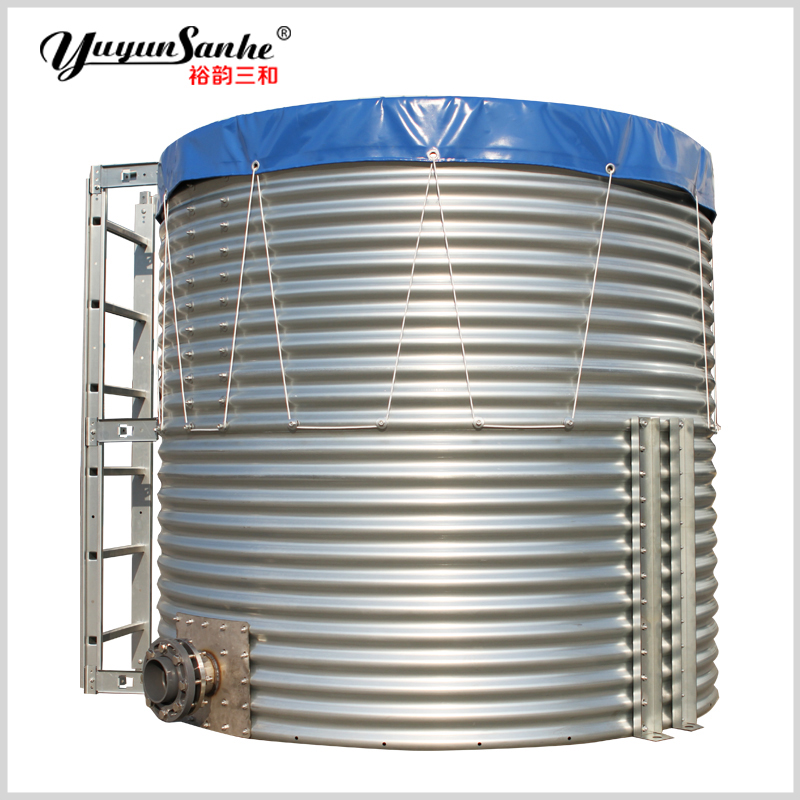
Cost Factors to Consider When Purchasing Water Reservoir Tanks

The cost of water reservoir tanks can vary significantly based on several factors, making it essential to understand what influences pricing before placing an order. First, the material used will have a substantial impact on cost. For example, stainless steel tanks are typically more expensive than polyethylene due to their durability and resistance to corrosion.

Another critical factor is the tank's capacity. Larger tanks will naturally incur higher costs, not only for the material but also for transportation and installation. Buyers should assess their actual water storage needs to avoid over-purchasing, which can lead to unnecessary expenses.

The manufacturing process also affects pricing. Tanks that require specialized features, such as additional reinforcement for high pressure or specific coatings for chemical resistance, will generally cost more. Additionally, consider the minimum order quantities (MOQs) set by suppliers. Ordering in bulk may provide cost savings, but be sure that the volume aligns with your operational needs.

Shipping and handling costs should also be factored into your overall budget. These costs can vary based on the distance from the supplier and the logistics needed for delivery. It’s advisable to discuss shipping options with potential suppliers to find the most cost-effective solution.
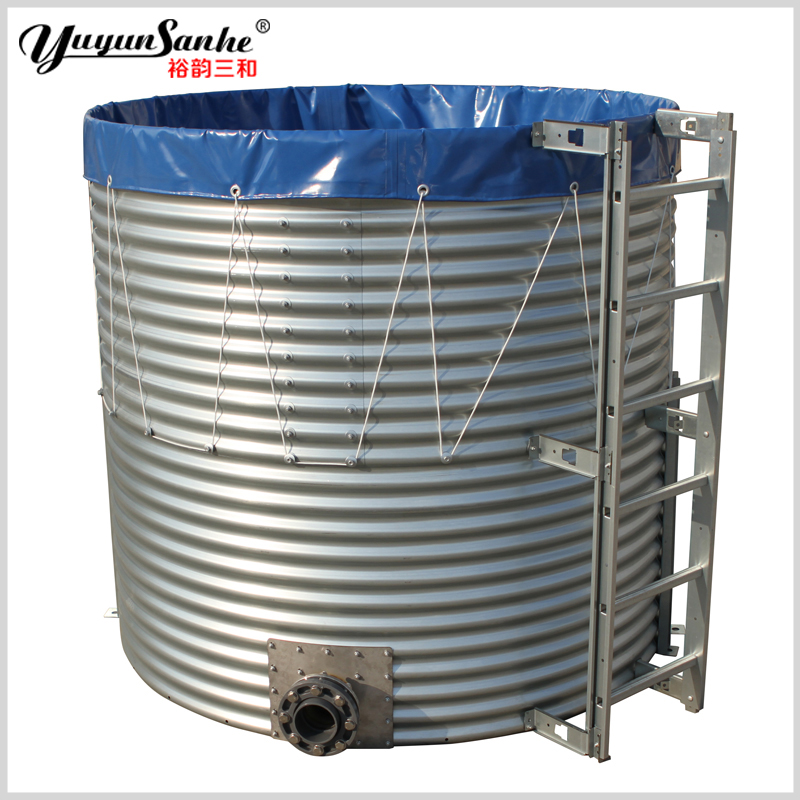
Best Practices for Installing Water Reservoir Tanks Effectively

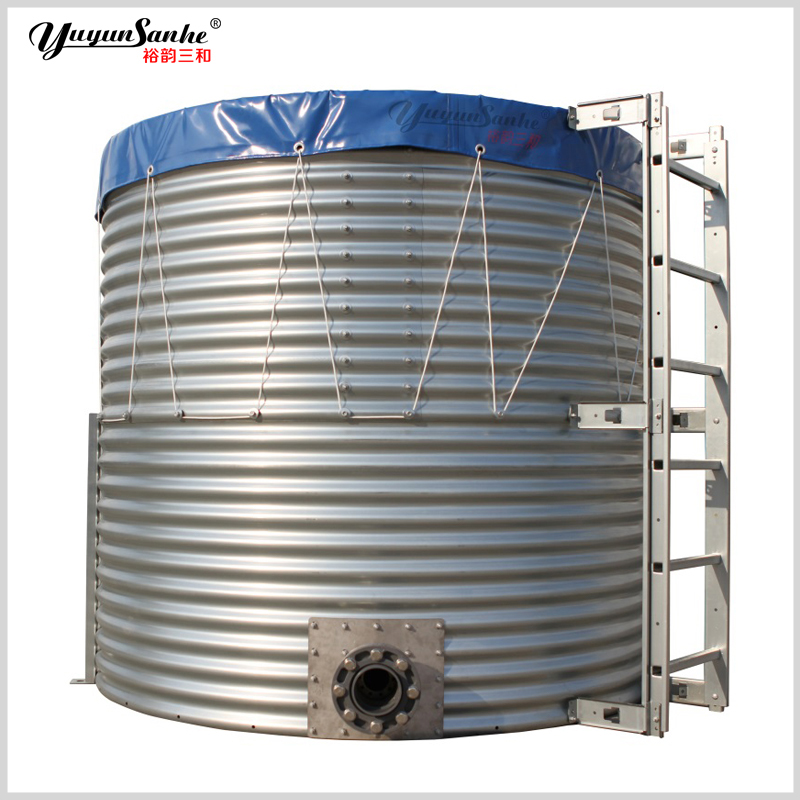
Best Practices for Installing Water Reservoir Tanks Effectively

Proper installation of water reservoir tanks is critical to ensuring optimal performance and longevity. Start by conducting a site assessment to determine the best location for the tank. Consider factors such as accessibility for maintenance, proximity to water sources, and ground stability. The installation area should be level and capable of supporting the tank's weight when fully loaded.

During installation, follow the manufacturer’s guidelines for anchoring and securing the tank. This is particularly important in areas prone to high winds or seismic activity, as inadequate securing can lead to structural failure. Additionally, ensure that all connections, such as piping and fittings, are properly installed to prevent leaks.

It’s also essential to incorporate a filtration system if the tank will store water for consumption or agricultural use. This helps maintain water quality and prevents contaminants from entering the system. Regular maintenance checks, including inspecting for cracks or signs of wear, will extend the tank's lifespan and reliability.

Training personnel on the proper operation and maintenance of the tank is crucial. This includes understanding how to monitor water levels, perform routine cleaning, and manage any potential issues that may arise during operation.

Common Problems with Water Reservoir Tanks and Their Solutions

Common Problems with Water Reservoir Tanks and Their Solutions

Water reservoir tanks can encounter various issues that may affect their performance. One common problem is leakage, which can occur due to improper installation, material degradation, or damage from external factors. To mitigate this, always inspect tanks regularly and address any signs of wear promptly. Utilizing high-quality materials and ensuring correct installation techniques can significantly reduce the risk of leaks.

Another issue is water contamination, which can arise from debris entering the tank or from the tank material itself. Implementing a filtration system and regularly cleaning the tank can help prevent this problem. Additionally, using UV-resistant materials can reduce the growth of algae and other harmful organisms within the tank.

Temperature fluctuations can also affect tank performance, particularly in extreme climates. Insulating the tank or using materials with good thermal resistance can help maintain stable water temperatures and prevent structural issues.

Lastly, structural integrity can be compromised under extreme pressure or weight. It’s vital to ensure that the tank is appropriately rated for the intended application and to monitor it for any signs of stress or deformation.

Applications of Water Reservoir Tanks in Various Industries

Water reservoir tanks serve a wide range of applications across multiple industries. In agriculture, these tanks are crucial for irrigation systems, providing a reliable water source during dry seasons. They are often used to store harvested rainwater, ensuring sustainability in water usage.

In the industrial sector, water reservoir tanks are utilized for process cooling and heating applications. They help maintain consistent temperatures in manufacturing processes, contributing to efficiency and product quality. Moreover, in the food and beverage industry, tanks are essential for storing water used in production to meet health and safety standards.

Municipalities also rely on water reservoir tanks for public water supply systems. These tanks store treated water, ensuring that there is always sufficient pressure and supply for residential and commercial customers.

Lastly, water reservoir tanks are increasingly being used in renewable energy applications, such as in solar thermal systems, where they store heated water for later use. Their versatility and adaptability make them a vital component in modern infrastructure across various industries. Electric Shutter Louvers with Belimo Actuator can further enhance the efficiency of these systems.

Understanding the specifications, costs, installation practices, common problems, and applications of water reservoir tanks can significantly aid B2B buyers in making informed decisions. By considering these factors, you can ensure that you select the right tank for your operational needs, leading to long-term efficiency and reliability.

Frequently Asked Questions

What is the water reservoir tank used for?

Our water reservoir tank stores and supplies water for ventilation, cooling, heating, and breeding systems in agricultural and industrial settings.
Manufactured in our 30,000 sqm factory with strict QC, tanks meet ISO9001 standards and our facility products hold CE and RoHS certifications.
We offer multiple sizes and custom capacities to fit specific system needs; contact us with required volume and dimensions for a tailored solution.
Yes. We provide installation guidance, operation manuals, and technical support. Spare parts and maintenance advice are available from our service team.
Yes. We offer customization for dimensions, fittings, and material options to match your ventilation, cooling, heating, or breeding application requirements.

Our Blog Posts

Top 4 Heavy Hammer Exhaust Fan Manufacturers In Australia

16

Jul

Top 4 Heavy Hammer Exhaust Fan Manufacturers In Australia

Choosing right exhaust fan can be tough, especialy when many companys make them. In Australia, YuyunSanhe stands out for heavy hammer exhaust fans. These fans is important in factorys and workshops. They help keep air clean and remove smoke, dust and...
View More
How Industrial Ventilation Fans Improve Airflow Efficiency?

21

Oct

How Industrial Ventilation Fans Improve Airflow Efficiency?

Hugger Roof fans vs. Industrial Roof fans Industrial fan for huggers Fans serve a critical function in the operation of an industrial facility. These ventilation fan help extract stale air, maintain a comfortable temperature, and decrease t...
View More
How to Design a Greenhouse Ventilation System for Different Climates?

21

Nov

How to Design a Greenhouse Ventilation System for Different Climates?

Realizing the significance of proper ventilation in the greenhousePlants need good air to grow, just as people need it to feel good. Air flow is a key in a greenhouse as it keeps the temperature and humidity in check. If the air doesn’t circulate, pl...
View More
How Poultry Feeding Equipment Enhances Bird Growth and Health

05

Dec

How Poultry Feeding Equipment Enhances Bird Growth and Health

Healthy, rapid growth birds is an essential foundation for every poultry farmer. Central to that is making sure to utilize the proper feeding gear. The YuyunSanhe brand is this unit equipment manufacturer, offering an extensive range of products This...
View More

Get In Touch

Sophie Dong
Lorna Gao