
 EN
 AR
 BG
 DA
 NL
 FR
 DE
 EL
 HI
 IT
 JA
 KO
 PL
 PT
 RO
 RU
 ES
 SV
 TL
 ID
 LV
 LT
 SR
 UK
 VI
 HU
 TH
 TR
 FA
 MS
 GA
 AZ
 BN
 LA
 MN
 MY
 KK
 UZ
 KY
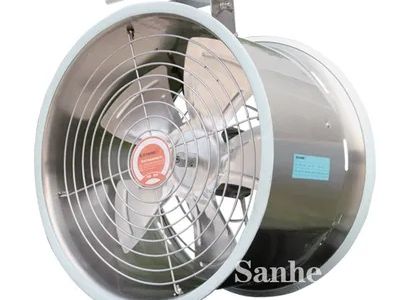
Wall mounted extractor fans are essential components in various industrial settings, providing effective ventilation and air circulation to enhance air quality and operational efficiency. For B2B buyers—such as purchasing managers, engineers, and facility managers—understanding the specifications, installation guidelines, and common issues associated with these fans is crucial when making purchasing decisions. This article aims to guide you through the key aspects of wall mounted extractor fans, enabling you to make informed choices that align with your operational needs.
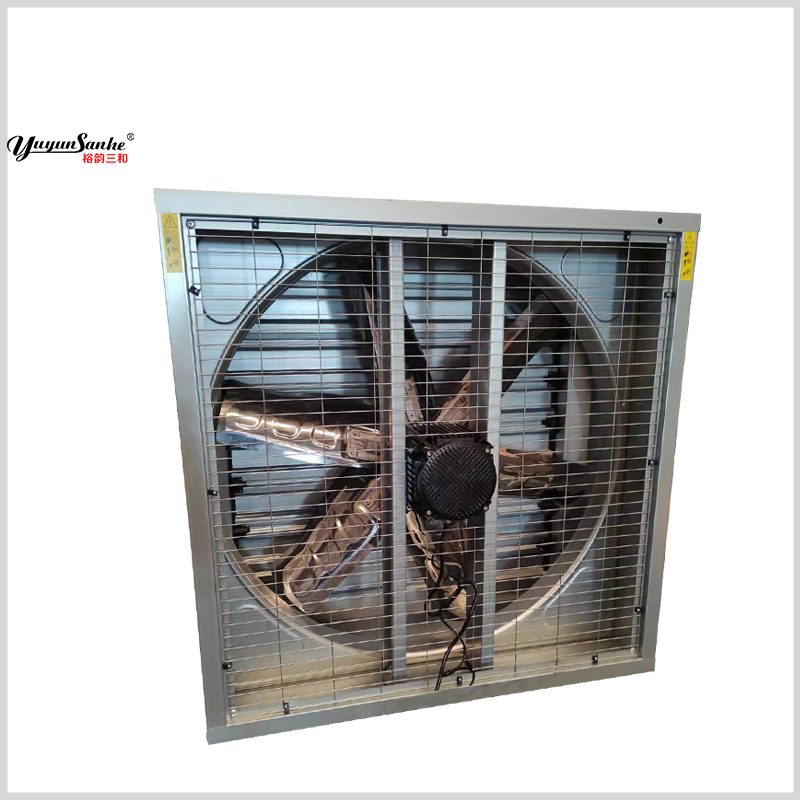
Evaluating Your Wall Mounted Extractor Fan Options
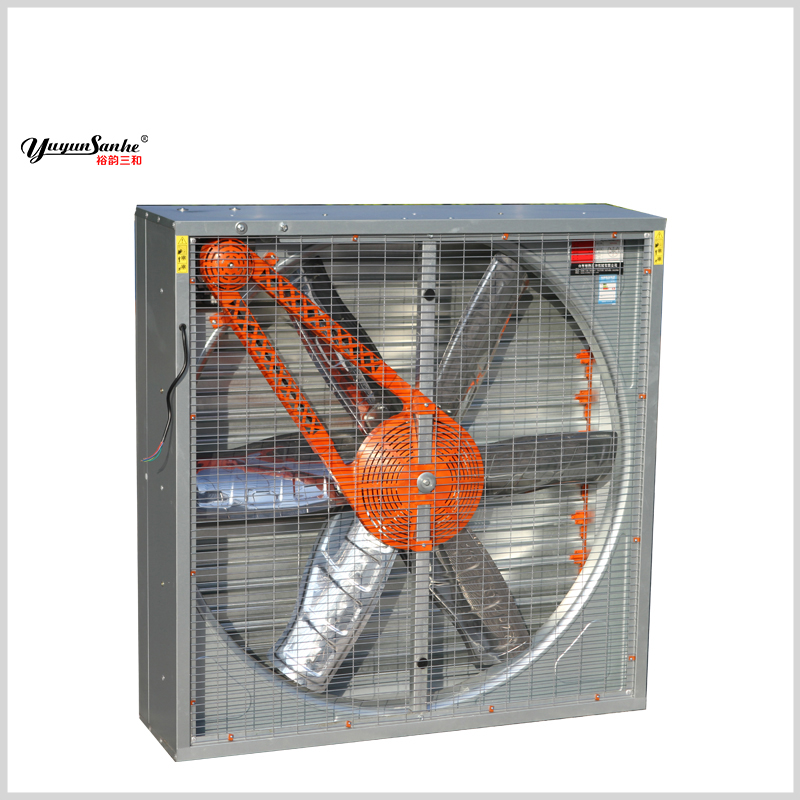
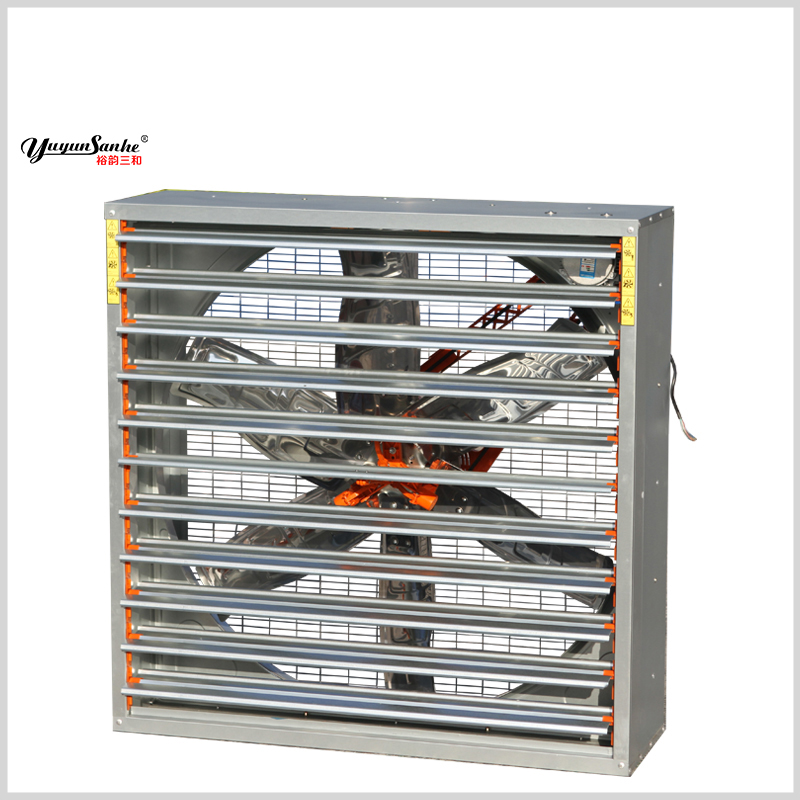
Selecting the right wall mounted extractor fan involves careful evaluation of various specifications. Key parameters include airflow capacity, which is typically measured in cubic meters per hour (m³/h). This determines how effectively the fan can ventilate space. A fan's noise level, expressed in decibels (dB), is also critical, especially in environments where noise pollution can affect productivity.
Material selection is another important consideration. Fans made from high-quality, corrosion-resistant materials are advisable for industrial applications where exposure to moisture or chemicals is common. The design and construction of the fan blades play a significant role in performance; for instance, aerodynamic blade designs can enhance efficiency and reduce energy consumption.
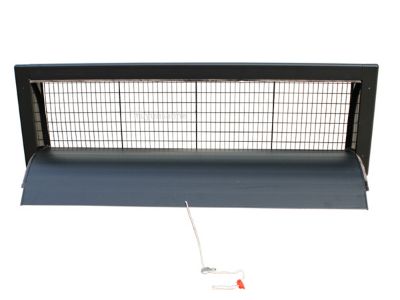
Moreover, understanding the intended application is crucial. Different environments—such as food processing, manufacturing, or agriculture—may have varying ventilation needs. Buyers should evaluate the compatibility of the fan with existing systems and ensure it meets the specific requirements of the operational environment. For instance, Swine Equipment might require specific ventilation solutions that can be addressed by selecting the right extractor fan.

 Sophie Dong

