
 EN
 AR
 BG
 DA
 NL
 FR
 DE
 EL
 HI
 IT
 JA
 KO
 PL
 PT
 RO
 RU
 ES
 SV
 TL
 ID
 LV
 LT
 SR
 UK
 VI
 HU
 TH
 TR
 FA
 MS
 GA
 AZ
 BN
 LA
 MN
 MY
 KK
 UZ
 KY
Wall mounted cooling fans are essential equipment in various industrial and commercial settings, providing effective air circulation and temperature control. For B2B buyers, understanding the unique specifications, quality considerations, and potential challenges associated with these fans is critical. This article aims to equip purchasing managers, engineers, and decision-makers with the necessary insights to make informed choices that meet their business needs.


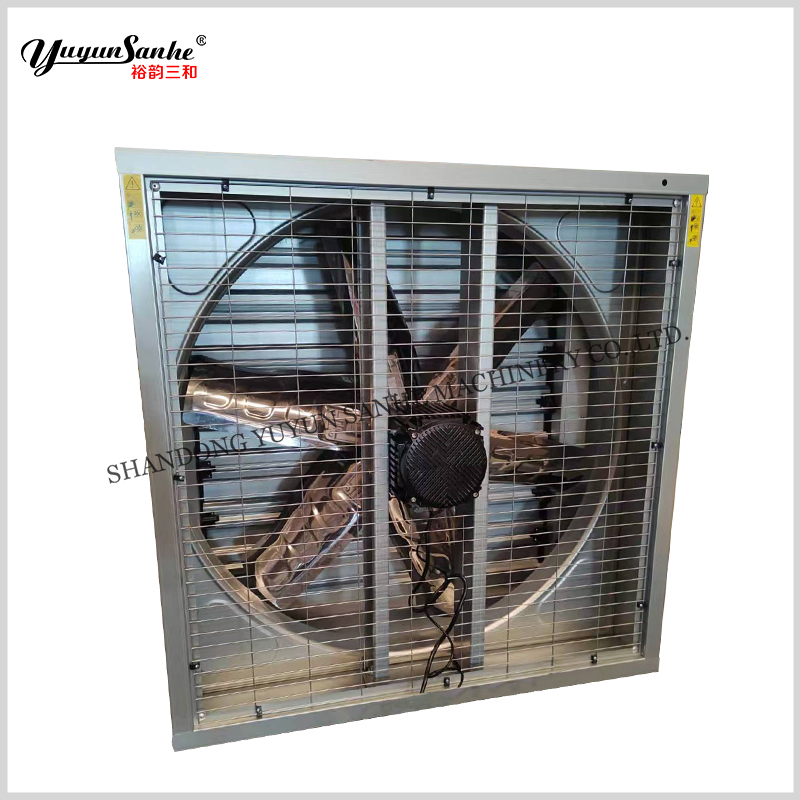
Key Specifications to Evaluate for Wall Mounted Cooling Fans
When evaluating wall mounted cooling fans, several specifications are crucial:
Airflow Rate: Measured in cubic feet per minute (CFM), this indicates the volume of air the fan can move. Ensure the CFM rating meets your specific cooling requirements.
Motor Power: The wattage of the motor affects both performance and energy consumption. Higher wattage generally translates to more powerful airflow, but balance this with energy efficiency needs.
Blade Diameter: Larger blades typically move more air, but they may require more power. Choose blade sizes that suit your space and airflow needs.
Noise Level: Expressed in decibels (dB), this specification is particularly important in noise-sensitive environments. Look for fans that provide a balance between airflow and sound output.
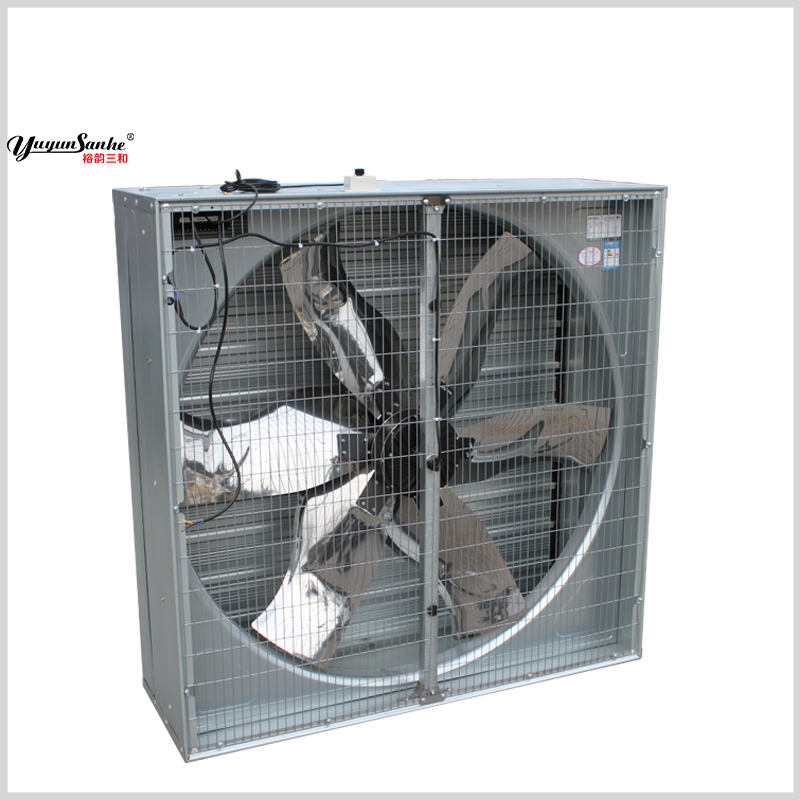
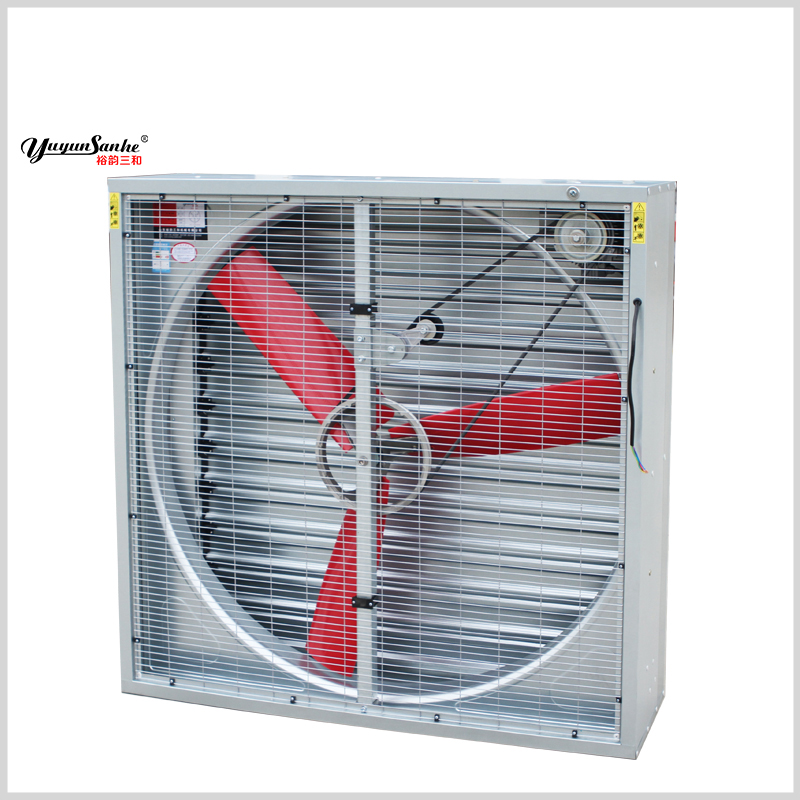
Durability and Material: The materials used in construction can affect the fan's longevity and suitability for specific environments. For instance, corrosion-resistant materials are vital in humid or chemically aggressive settings. Options like the FRP Cone Fan Plastic Exhaust Fan for Swine Farm Pig House Poultry Farm Ventilation are designed for such conditions.
Understanding these specifications not only aids in making a selection but also ensures that the chosen fan will operate effectively within your specific application.


 Sophie Dong

