Evaluating Quality Silo Systems for Wholesale Purchase

All Categories

silo

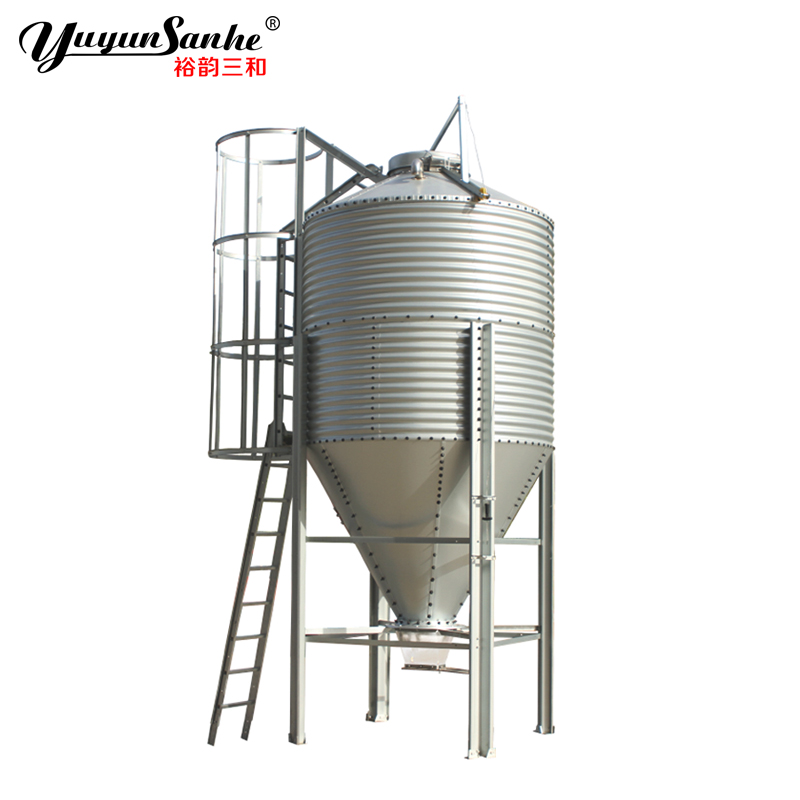
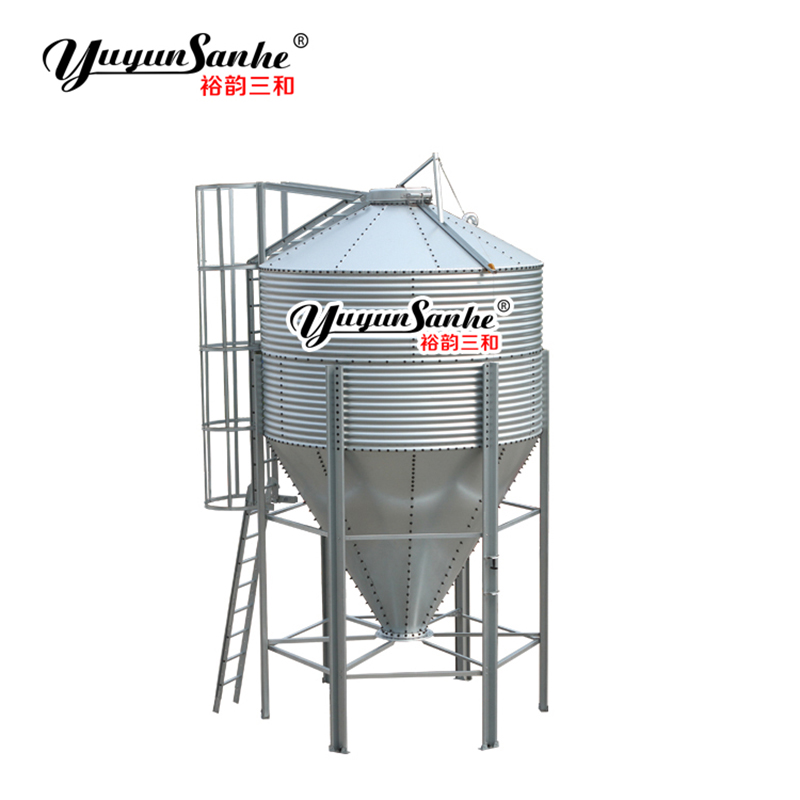
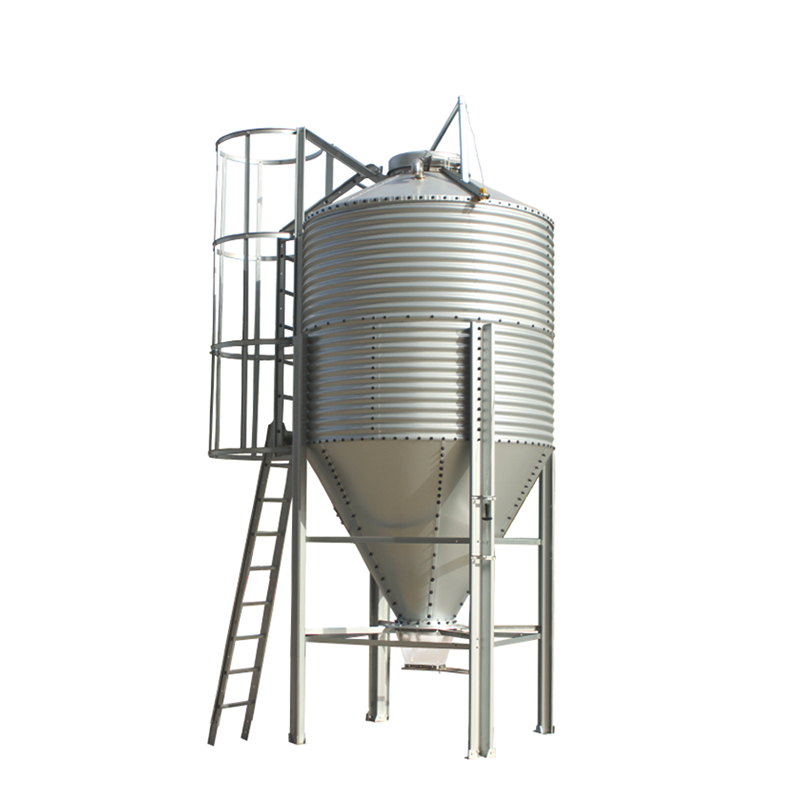
Understanding silo systems is essential for companies in various industries, particularly those involved in agriculture, food processing, and materials storage. A silo serves as a crucial component for storing bulk materials, whether they're grains, feed, or other commodities. When considering a wholesale purchase of silo equipment, buyers often have concerns about quality, supplier reliability, and overall cost factors. This article aims to provide valuable insights into evaluating silo systems, sourcing reliable suppliers, understanding cost implications, exploring applications across industries, and the benefits of high-quality materials in silo construction.
Where to Source Reliable Silo Suppliers for Bulk Orders

Where to Source Reliable Silo Suppliers for Bulk Orders

Sourcing reliable silo suppliers involves a strategic approach to identify manufacturers with the right capabilities and track record. Start by researching suppliers online, focusing on those with established presences in the industry, such as Shandong Yuyun Sanhe Machinery Co., Ltd. Look for companies that specialize in silo systems and have a history of exporting to various countries, as this indicates a level of quality and reliability.

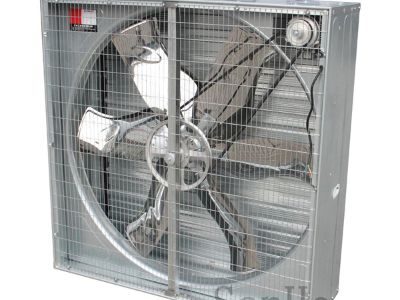
Trade shows and industry exhibitions are valuable venues for meeting potential suppliers and assessing their offerings firsthand. Attending these events allows buyers to engage directly with manufacturers, ask questions about their products, and evaluate the quality of their workmanship. You might also find innovative solutions such as Maintenance-Free Variable Speed Direct Drive Exhaust Fan with EC Motor that enhance operational efficiency.

Networking with industry peers can also provide insights into reputable suppliers. Recommendations from other businesses with experience in purchasing silo systems can lead to trustworthy contacts. When contacting suppliers, be prepared to discuss specific requirements, such as the type of silo, dimensions, and any necessary customization, to ensure that the supplier can meet your needs effectively.
Understanding the Cost Factors of Silo Equipment Procurement

Understanding the Cost Factors of Silo Equipment Procurement

The cost of procuring silo equipment is influenced by various factors that buyers should carefully consider. First, the material used in construction plays a significant role in determining the overall price. Steel silos, for example, may be more expensive than concrete options due to their durability and lower maintenance requirements. Additionally, the thickness and treatment of the materials can impact costs, with thicker materials generally offering better protection against external elements.

Another factor to consider is the size and complexity of the silo system. Larger silos or those with specialized features, such as advanced temperature control systems or integrated loading mechanisms, will incur higher costs. Customization can also add to the price, so buyers should weigh the necessity of special features against their budgets.

Moreover, don’t overlook the total cost of ownership, which includes installation, maintenance, and operational costs over the silo’s lifespan. Engaging with suppliers to understand warranty terms, potential repair needs, and expected service life can provide a clearer picture of the long-term investment required.

Applications of Silo Equipment in Various Industries and Projects

Applications of Silo Equipment in Various Industries and Projects

Silo systems are versatile and find applications across numerous industries. In agriculture, they are primarily used to store grains, animal feed, and fertilizers, protecting these materials from pests and environmental factors. For food processing companies, silos provide a critical function in maintaining the quality and safety of bulk ingredients, such as flour and sugar, while ensuring efficient inventory management.

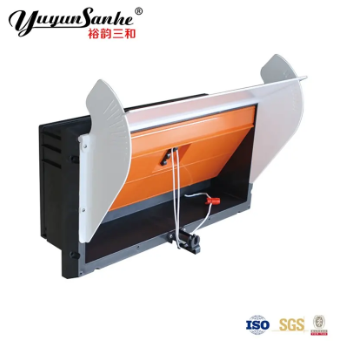
In construction and heavy industry, silos are used to store cement, sand, and other bulk materials, facilitating streamlined operations on job sites. The chemical industry also relies on silos for the safe storage of powders and granules, where material integrity and safety standards are paramount. For example, using a Electric Shutter Louvers with Belimo Actuator can enhance operational safety and efficiency.

Each application may require specific design considerations, such as the need for temperature control in food storage or enhanced sealing in chemical applications to prevent contamination. Understanding these nuances will guide buyers in selecting the right silo system for their particular needs.

Benefits of Choosing High-Quality Materials for Silo Construction

Choosing high-quality materials for silo construction is crucial for ensuring durability, safety, and efficiency. High-grade steel, for instance, provides superior resistance to corrosion, which is vital for silos exposed to environmental elements. This durability extends the lifespan of the equipment, reducing the need for frequent repairs and replacements.

Furthermore, using quality materials enhances the structural integrity of the silo. A well-constructed silo can withstand the stresses of heavy loads and varying environmental conditions, ensuring the safe storage of materials. Buyers should also consider the thermal and moisture resistance properties of the materials used, particularly for silos storing sensitive products.

Investing in high-quality materials can lead to significant cost savings in the long run. While the initial investment may be higher, the reduced maintenance costs and increased operational efficiency can outweigh these initial expenses. Buyers should prioritize suppliers like Shandong Yuyun Sanhe Machinery Co., Ltd., known for their commitment to quality and strict manufacturing standards.

By understanding these factors and carefully evaluating silo systems, sourcing reliable suppliers, and considering the cost implications, buyers can make informed decisions that meet their operational needs effectively.

Frequently Asked Questions

What is this silo used for?

Our silo stores bulk feed, grain, or raw materials for breeding and farming, supporting ventilation and climate-controlled systems.
Manufactured in our 30,000 sqm factory with strict QC; materials meet ISO9001, CE, and RoHS standards.
We offer multiple size and capacity options tailored to farm scale; contact us with required volume for a suitable model.
Yes. The silo can be fitted with our ventilation, cooling, and heating equipment for optimal storage conditions.
We provide technical support, installation guidance, and warranty terms; contact sales for specific warranty duration and service details.

Our Blog Posts

The Impact of Motor Directly Drive Exhaust Fans on Industrial Productivity

15

Feb

The Impact of Motor Directly Drive Exhaust Fans on Industrial Productivity

How Exhaust Fans Help WorkersThe air is pushed out from a small closet, so it has less than a square foot area with all of the doorways, bar-hatches, or windows wide open. These fans function by sucking the hot and humid air from inside the building ...
View More
Why Heavy Hammer Exhaust Fans Deliver Long-Term Value for B2B Clients

09

Mar

Why Heavy Hammer Exhaust Fans Deliver Long-Term Value for B2B Clients

YuyunSanhe assists many industries that require fans with excellent strength and reliability. The Heavy Hammer Exhaust Fan is one of the most excellent fans they have. "The fans are perfect for maintaining clear and cooler air in work areas. They als...
View More
What to Consider When Installing Poultry Air Inlets for Layer Farms

23

Jun

What to Consider When Installing Poultry Air Inlets for Layer Farms

What to Consider When Installing Poultry Air Inlets for Layer FarmsLayer farms need good air to keep the chickens healthy. It makes the chickens comfortable and provides them with fresh air. A key portion of good air design is installing poultry air ...
View More
How Heaters Support Climate Control in Greenhouses?

16

Feb

How Heaters Support Climate Control in Greenhouses?

In greenhouses, heaters is very important to keep plants healthy and happy. When outside get cold, these heaters warm the air inside, so it become cozy place for plants grow. This matter a lot because plants need right temperature to do well. If too ...
View More

Get In Touch

Sophie Dong
Lorna Gao