
 EN
 AR
 BG
 DA
 NL
 FR
 DE
 EL
 HI
 IT
 JA
 KO
 PL
 PT
 RO
 RU
 ES
 SV
 TL
 ID
 LV
 LT
 SR
 UK
 VI
 HU
 TH
 TR
 FA
 MS
 GA
 AZ
 BN
 LA
 MN
 MY
 KK
 UZ
 KY
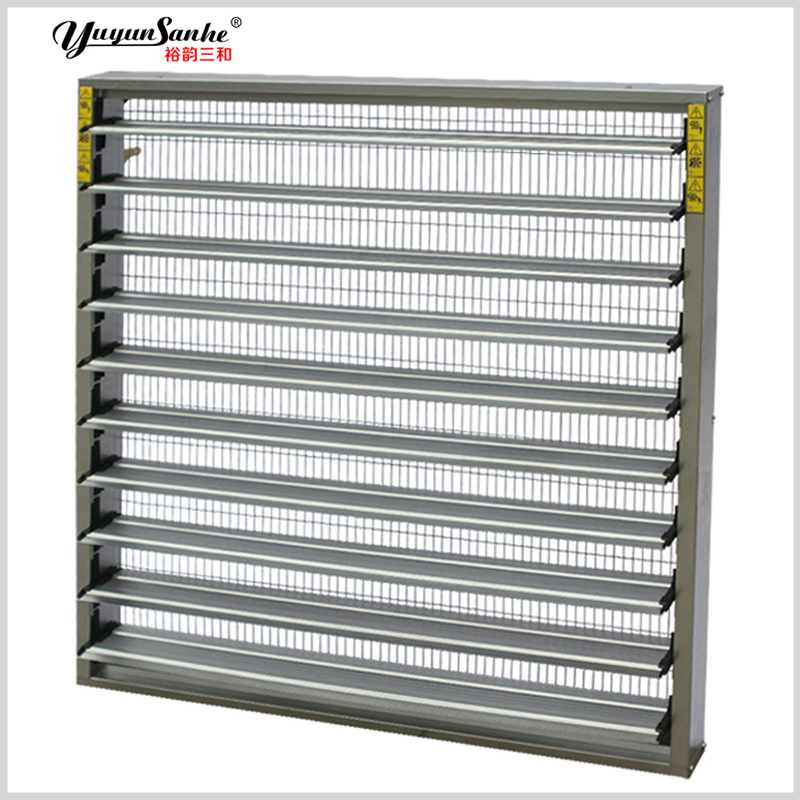
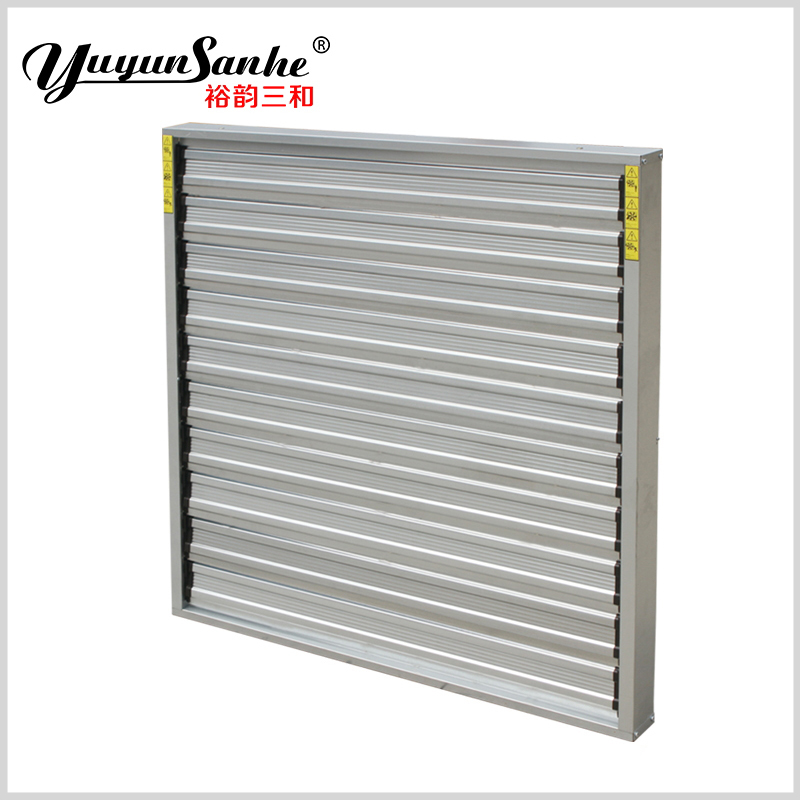
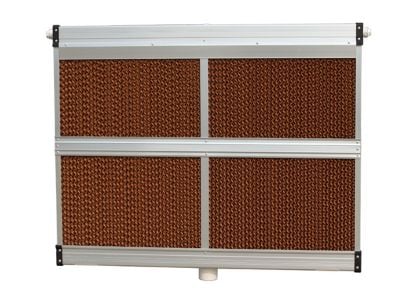
When sourcing shutters for industrial or commercial applications, understanding quality, specifications, material advantages, and wholesale logistics is crucial. Shutters are essential components for climate control and ventilation, often used in conjunction with other equipment like fans and heating systems. This article will guide purchasing managers and product managers through the critical aspects of evaluating and sourcing shutters, ensuring a well-informed purchasing decision.


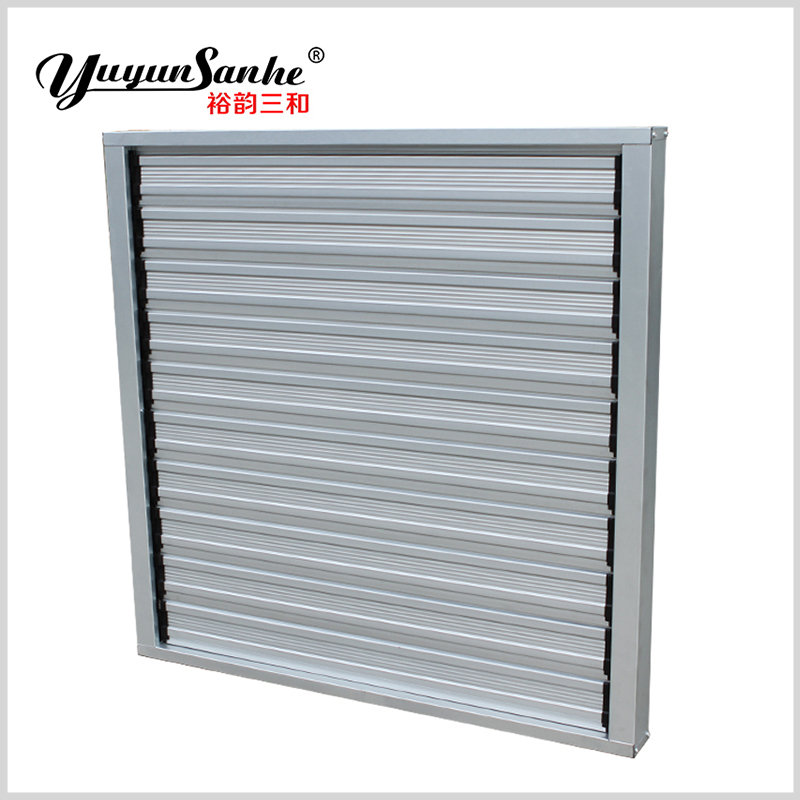
A Guide for Contractors
When sourcing shutters, several specifications are critical to ensure they meet application requirements:
Material Type: The choice between aluminum, PVC, or steel affects durability and insulation properties. Aluminum offers lightweight strength and corrosion resistance, while PVC can provide thermal insulation.
Dimensions and Fit: Accurate measurements are essential. Shutters should fit seamlessly within the designated openings for optimal performance. An ill-fitting shutter can lead to air leaks and decreased efficiency.
Thickness: The thickness of the shutter material impacts its strength and ability to insulate. Thicker materials typically offer better insulation and durability, making them suitable for harsher environments.
Operational Mechanism: Decide between manual or automated operation based on the intended use. Automated shutters may require additional electrical considerations for installation.
Sealing and Insulation Ratings: Check the sealing capabilities and insulation ratings. Effective seals reduce energy loss and enhance climate control, which is crucial for environments requiring strict temperature regulation.


 Sophie Dong

