
 EN
 AR
 BG
 DA
 NL
 FR
 DE
 EL
 HI
 IT
 JA
 KO
 PL
 PT
 RO
 RU
 ES
 SV
 TL
 ID
 LV
 LT
 SR
 UK
 VI
 HU
 TH
 TR
 FA
 MS
 GA
 AZ
 BN
 LA
 MN
 MY
 KK
 UZ
 KY
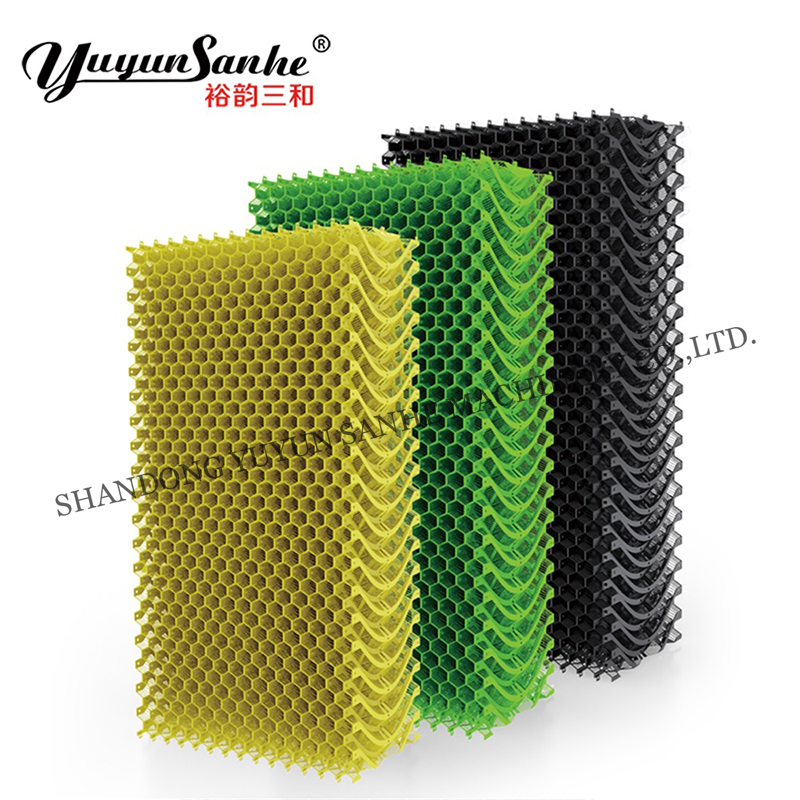
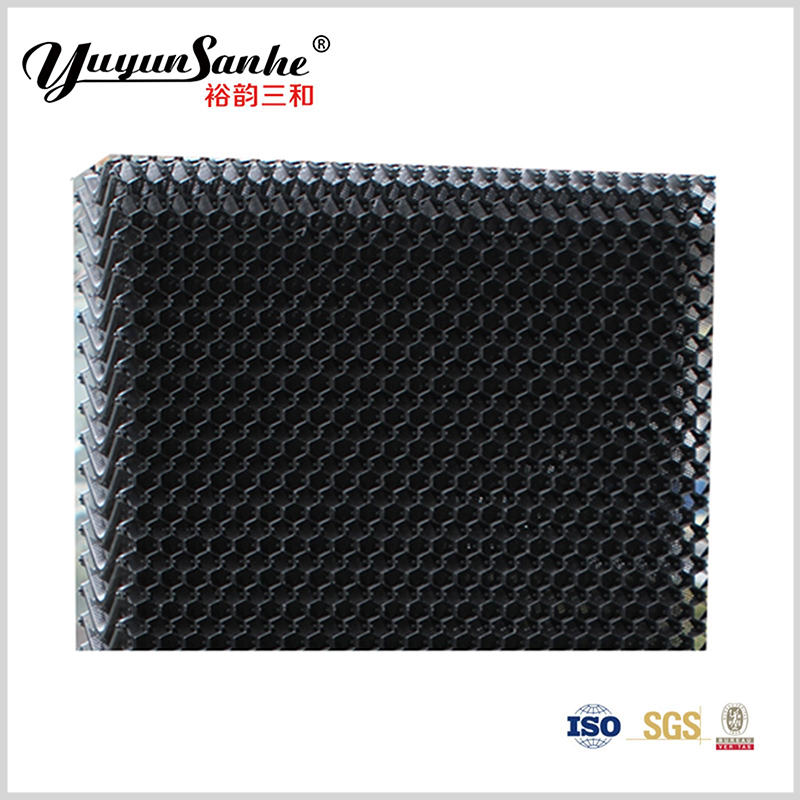
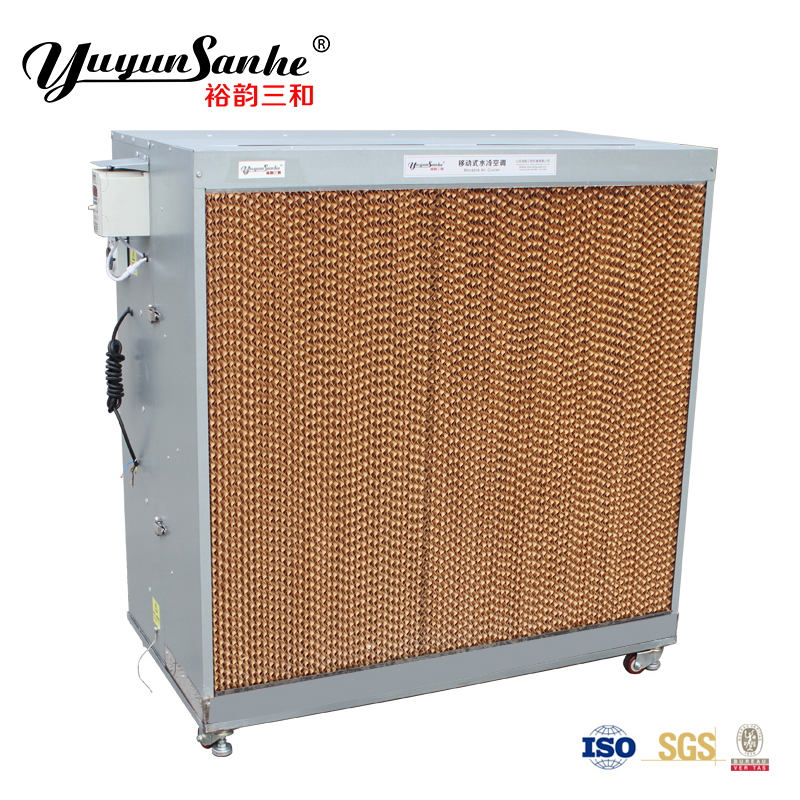
Plastic evaporative cooling pads are essential components in various cooling systems, facilitating efficient heat exchange and moisture absorption. These pads are made from specially designed materials that maximize cooling efficiency while ensuring longevity. For B2B buyers, concerns typically revolve around the technical specifications, quality assurance, and application suitability of these pads. This article aims to provide a thorough understanding of plastic evaporative cooling pads, helping purchasing managers and engineers make informed decisions when sourcing these critical components.
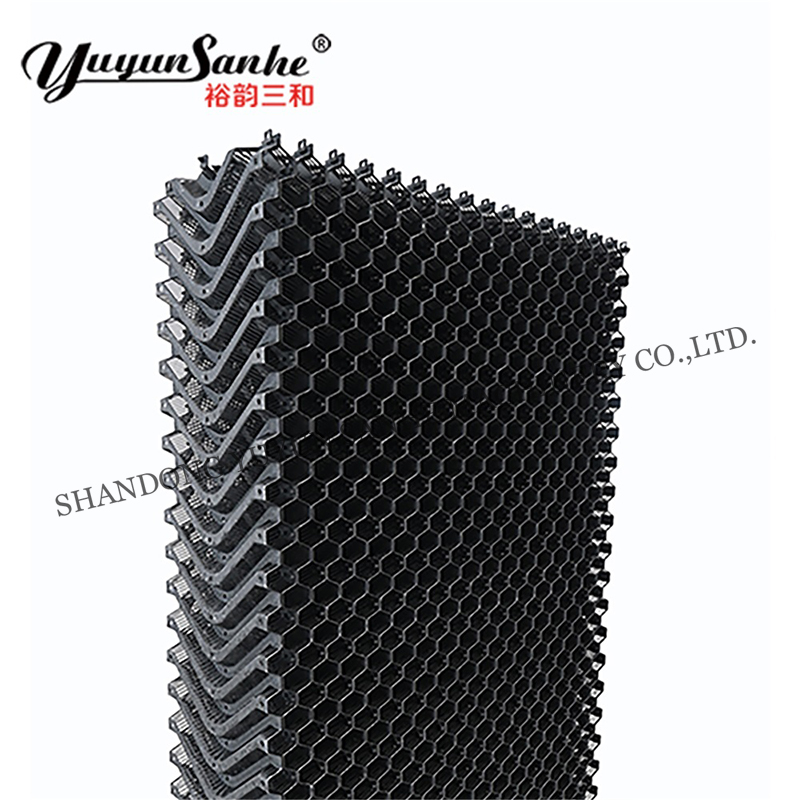
Key Specifications to Consider When Sourcing Cooling Pads Wholesale
When sourcing plastic evaporative cooling pads wholesale, several key specifications should be considered:
Thickness: Typically ranges from 5 to 12 mm. Thicker pads are often more effective in moisture retention but may require more airflow to function correctly.
Material: Look for pads made from UV-resistant and anti-bacterial materials to enhance longevity and hygiene, especially in agriculture or food-related applications.
Dimensions: Ensure that the pads fit your cooling system design. Standard sizes are available, but custom dimensions can often be produced if needed.
Cooling Efficiency: This is often measured in terms of the pad's cooling capacity in relation to airflow. Manufacturers should provide data on the cooling performance at different temperatures and humidity levels.
Moisture Absorption Rate: This specification indicates how much moisture the pad can hold, affecting its cooling performance. Higher absorption rates lead to better cooling efficiency.
Understanding these specifications will help buyers make informed purchasing decisions and ensure that the cooling pads meet their operational needs.

 Sophie Dong

