
 EN
 AR
 BG
 DA
 NL
 FR
 DE
 EL
 HI
 IT
 JA
 KO
 PL
 PT
 RO
 RU
 ES
 SV
 TL
 ID
 LV
 LT
 SR
 UK
 VI
 HU
 TH
 TR
 FA
 MS
 GA
 AZ
 BN
 LA
 MN
 MY
 KK
 UZ
 KY
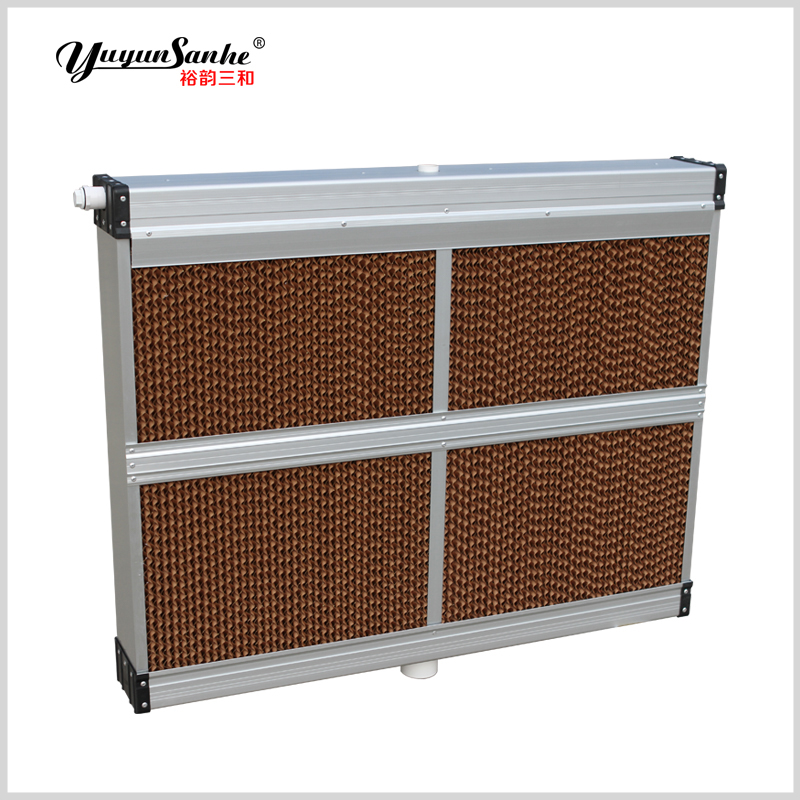
A pad cooler is an essential piece of equipment for effective temperature management in industrial settings, particularly in environments where maintaining optimal climate conditions is critical. This article will guide B2B buyers, such as purchasing managers and engineers, through the key considerations for selecting the right pad cooler, evaluating cost factors, and understanding material advantages. By understanding these elements, buyers can make informed decisions that align with their operational needs and budget.
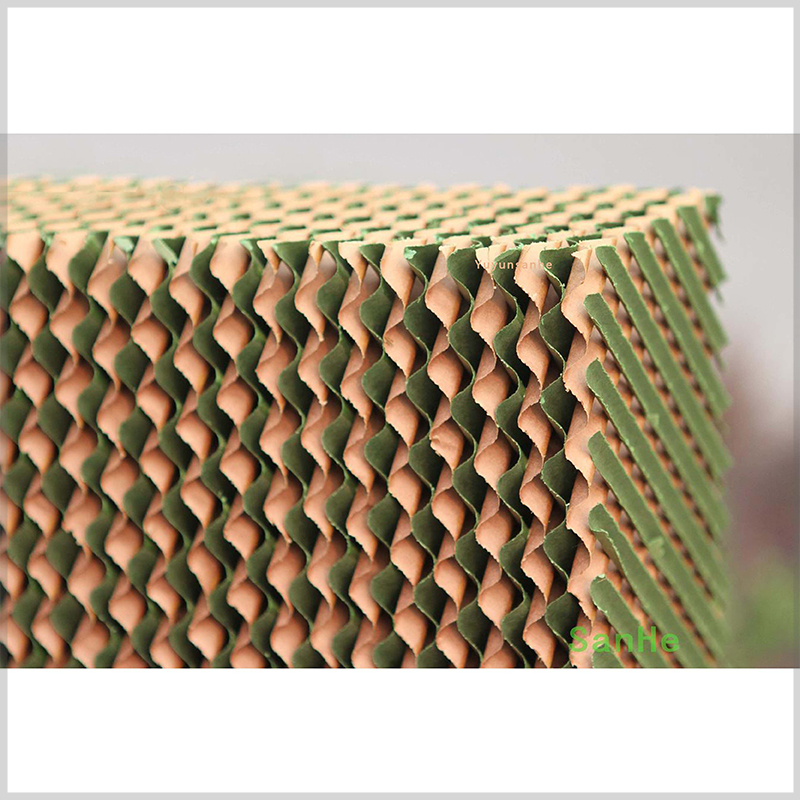
Key Factors to Consider
When evaluating pad coolers, several key factors should be kept in mind:
Cooling Capacity: Measured in CFM (Cubic Feet per Minute), this indicates the volume of air the cooler can process. Ensure the cooler's CFM rating matches or exceeds your cooling needs.
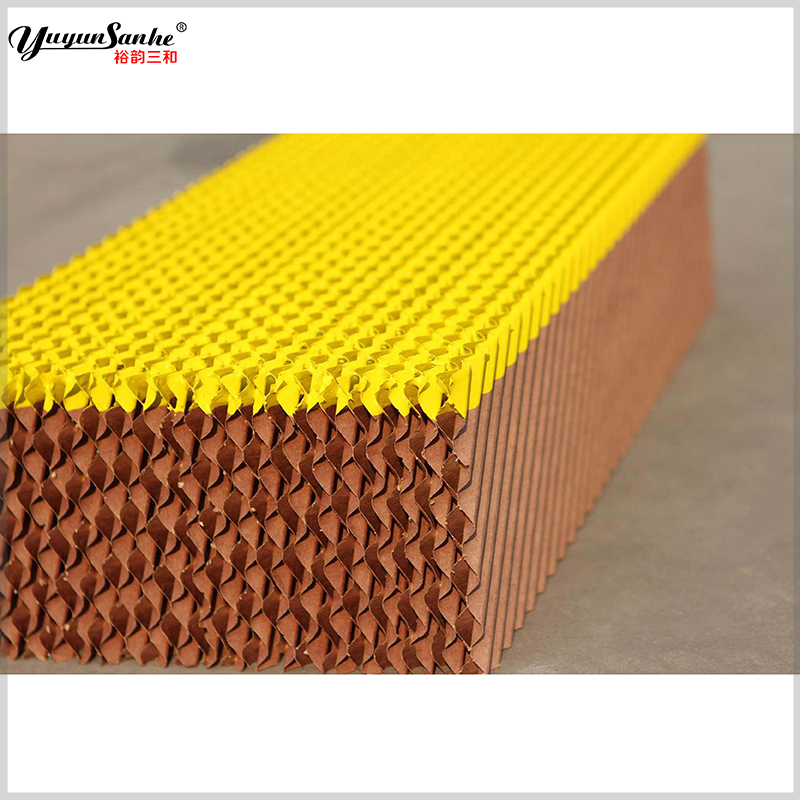
Material and Construction: The materials used in the cooler affect its durability and effectiveness. Common materials include high-density polyethylene or fiberglass, which offer resistance to corrosion and UV radiation.
Maintenance Requirements: Assess how easy it is to clean and maintain the cooler. Units that allow for easy access to pads and fans will save time and effort in upkeep.
Size and Portability: Depending on your facility layout, the size and weight of the cooler may be critical. Some models are designed to be portable, allowing for flexibility in placement.
Installation Considerations: Understand the installation requirements for the pad cooler. Some may require specific mounting or framing, while others can be set up easily on a flat surface.


 Sophie Dong

